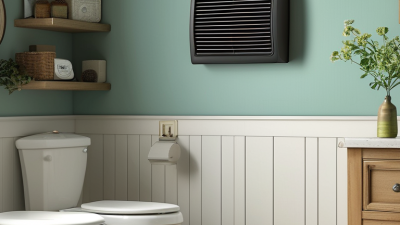
Why Is My Bath Exhaust Fan Not Working?
When a Bath Exhaust Fan stops working, the problem may seem obvious. Often, it is not. A dark switch, a silent motor, or a slowly spinning blade can point to very different faults. The fan may have lost power, collected dust, or developed a failed capacitor. A blocked duct can also trap warm, wet air above the ceiling. That moisture may leave peeling paint, soft drywall, or blackened grout behind.
Richard Trethewey, a respected plumbing and heating expert, offers a useful reminder: “A bathroom fan must move moist air outdoors, not simply into the attic.” That principle matters during every inspection. A fan can sound normal while its duct is crushed, disconnected, or packed with lint. Check the grille first. Then listen for vibration, airflow, and rattling near the housing. Small clues count.
Turn off the circuit breaker before removing the cover. Never treat a silent fan as a minor inconvenience. A loose wire or overheated motor may require a qualified electrician or HVAC technician. Some homeowners replace the switch too quickly. I have also seen people clean the grille and assume the repair is finished. That can be a mistake. Weak airflow still needs attention.
This guide explains why your Bath Exhaust Fan may not work, how to identify common causes, and when professional service is the safer choice. Expect simple checks, practical details, and a few cautions. Not every fault is visible.
Common Reasons a Bath Exhaust Fan Stops Working
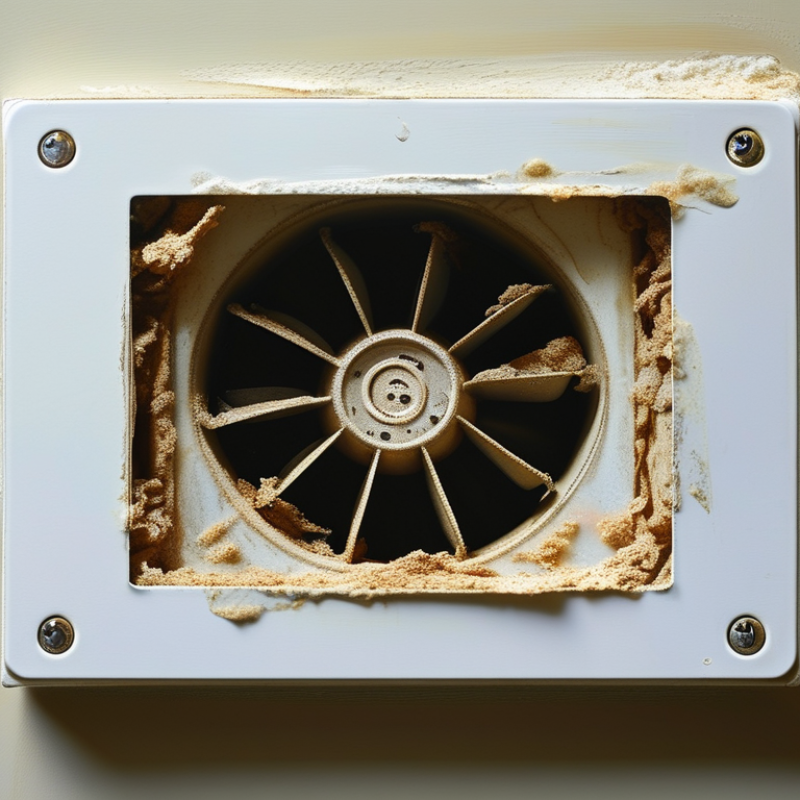
When a bath exhaust fan stops working, the fault is often simple but easy to misread. A dead wall switch, tripped breaker, or loose wire can stop the motor completely. Dust and lint may clog the grille, reducing airflow until the motor overheats. The fan may hum without spinning when its bearings wear out. Moisture is another warning sign. The U.S. EPA’s moisture-control guidance recommends indoor humidity between 30% and 50%. A persistently damp bathroom can corrode electrical parts. Sometimes the fan works, but the duct is crushed, disconnected, or blocked.
Airflow problems are not always motor problems. HVI ventilation guidance recommends at least 50 cubic feet per minute for intermittent bathroom ventilation, or 20 CFM for continuous operation. A weak fan may therefore be undersized, not broken. Long ducts, sharp bends, and dirty exterior dampers add resistance. Cold air near the grille can indicate missing duct insulation. I would not assume replacement is necessary before checking these details. That assumption wastes money and may hide a wiring fault.
Tips: Turn off power at the circuit breaker before removing the cover. Clean the grille with a vacuum and soft brush. Check whether the switch feels loose or warm. From outside, confirm the damper opens during operation. Do not probe live wiring. If the breaker trips again, stop testing and call a qualified electrician. Note the fan’s noise, runtime, and bathroom humidity. Small observations help, but they cannot replace a proper inspection.
How to Check the Fan’s Power Supply and Wall Switch
When a bath exhaust fan stops, check its power supply before replacing the motor.
I once blamed a failed fan, but the real problem was a tripped breaker. At the electrical panel, identify the bathroom circuit and reset the breaker once. If it trips again, leave it off. Repeated resets can signal a wiring fault.
Turn the wall switch off, then confirm the fan is dead. A non-contact voltage tester can provide a quick indication, but it should not be your only test. Electricity may still be present in another wire. If you are qualified, switch off the breaker and verify the circuit with a properly rated voltage tester. Remove the switch plate carefully. Look for loose terminals, dark marks, melted plastic, or a wire pulled partly free. Do not touch exposed conductors while energized.
Check the switch itself with the power disconnected and the wires isolated. A continuity test should show a closed circuit when the switch is on and an open circuit when it is off. That simple result can reveal a worn switch. However, I have seen rushed checks miss a second switch controlling the fan. Some bathrooms use separate controls for the light and ventilation. Check each one.
If the breaker will not stay on, wires appear damaged, or you cannot confirm the circuit is dead, stop and contact a licensed electrician.
A damp room leaves little room for guesswork.
How to Inspect the Motor, Blades, and Vent Cover
Why Is My Bath Exhaust Fan Not Working?
Turn off the circuit breaker before opening the grille. I have found that a quiet fan is not always a dead fan. Dust may lock the blades, while a loose connection can stop the motor completely. Remove the vent cover and inspect its clips, hinge, and visible dust layer. A blocked cover can reduce airflow before the motor shows obvious trouble.
Check the blades by hand. They should rotate smoothly without scraping. Do not force them. A stiff shaft, burnt smell, or repeated humming usually points to motor failure. Clean the grille and blades with a soft brush and vacuum, but keep moisture away from electrical parts. The American Society of Heating, Refrigerating and Air-Conditioning Engineers recommends at least 50 cubic feet per minute for intermittent bathroom exhaust in many residential applications under Standard 62.2. A dirty fan may fall well below that target.
Inspect the exterior vent cover next. It should open when the fan runs and close afterward. Leaves, lint, insect nests, or a stuck damper can block the duct. Hold a tissue near the cover; it should move outward steadily. Weak movement may mean a clogged duct, loose fan wheel, or undersized airflow path. The Home Ventilating Institute notes that tested airflow can differ significantly from rated airflow after installation. That detail is easy to overlook. I once blamed the motor too quickly. The cover was simply jammed. If the breaker trips again, stop testing and arrange qualified electrical service.
Why Is My Bath Exhaust Fan Not Working?
Before inspecting the motor, blades, and vent cover, compare the measured airflow with a practical ventilation benchmark. The Home Ventilating Institute recommends at least 1 CFM per square foot for bathrooms up to 100 square feet, with a minimum of 50 CFM.
If measured airflow is clearly below the benchmark, turn off power and inspect the vent cover for dust, check whether the fan blades spin freely, and listen for motor humming or grinding. Also inspect the duct path and exterior outlet for blockages, since restricted airflow can make a functioning motor appear ineffective.
When to Repair the Fan or Replace It Completely
A bath exhaust fan may stop because of a tripped breaker, blocked grille, loose wiring, or a worn motor. Turn off power before removing the cover. Then check whether the switch feels loose and whether dust covers the intake. A fan that hums but does not spin often has a failing motor or seized bearings. A silent fan may have an electrical fault. Do not guess with live wires. A qualified electrician should test them.
Repair makes sense when the housing is solid, the duct is clear, and the problem involves a switch, grille, damper, or replaceable motor. Replacement is usually better when the fan rattles, moves little air, shows rust, or repeatedly overheats. Older units may also vent poorly because their motors have weakened. Measure the ceiling opening before purchasing a new unit. A stronger fan is not always better if the duct cannot handle the airflow. That detail is easy to overlook.
Tips: Clean the grille every few months. Check that the exterior vent flap opens freely. Hold a tissue near the grille; it should pull upward steadily. Listen for grinding or sharp vibration. If moisture remains on the mirror after several minutes, inspect the duct route. I would not replace a quiet fan too quickly. Sometimes a blocked duct is the real problem. Yet delaying a repair can damage the ceiling, especially when condensation leaves brown marks around the grille.