Top 10 Tips for Choosing the Right Bath Ventilation Fan?
Choosing the right bath ventilation fan can be a daunting task. Proper ventilation is crucial for preventing mold growth and ensuring indoor air quality. According to the Home Ventilation Institute, nearly 50% of households do not have adequate bathroom ventilation. This statistic highlights the urgency of making informed decisions in selecting the right fan.
Expert in home ventilation, Dr. Emily Saunders, emphasizes, “A well-chosen bath ventilation fan is key to maintaining a healthy home environment.” Her insight underlines the significance of understanding various features and specifications when selecting a fan. Noise levels, energy efficiency, and airflow capacity can greatly influence your experience with a bath ventilation fan.
Many homeowners overlook these aspects, leading to unsatisfactory performance. Ventilation fans should not only function effectively but also suit your personal preferences. Reflecting on these components will aid in making a sound investment in your home’s health. Prioritizing proper ventilation is essential to create a safe and comfortable living space.
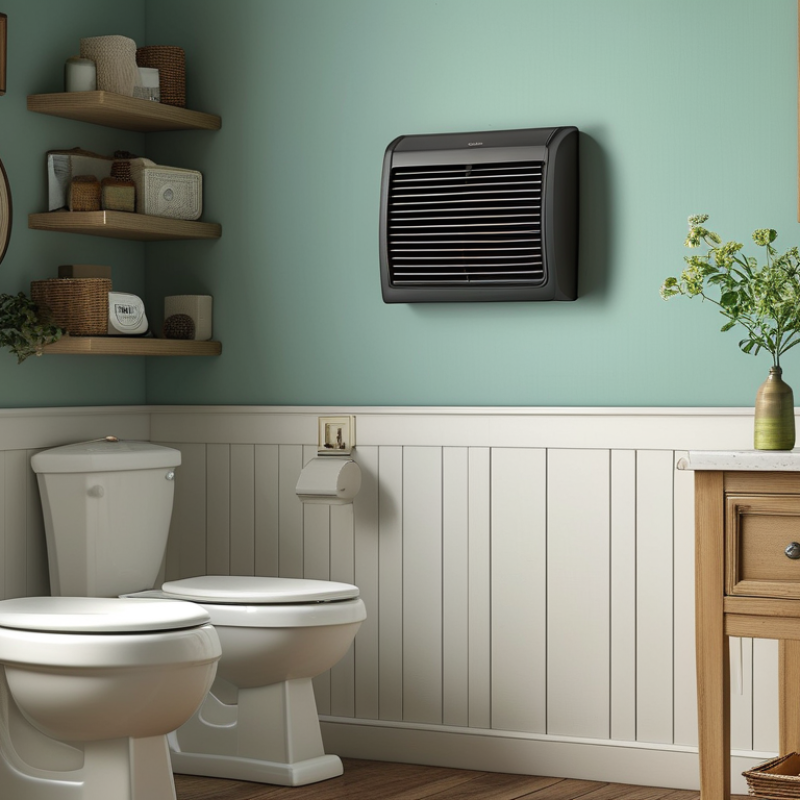
Understanding the Importance of Bath Ventilation Fans
Proper bath ventilation is crucial for maintaining a healthy indoor environment. Studies show that poorly ventilated bathrooms can lead to mold and mildew growth. A report from the Environmental Protection Agency (EPA) states homes that use effective ventilation can reduce indoor moisture by over 50%. This is significant for preventing respiratory issues linked to mold exposure.
Choosing the right bath ventilation fan requires an understanding of airflow needs. Experts recommend fans that provide sufficient air exchanges. For an average-sized bathroom, a fan rated at least 50 CFM (Cubic Feet per Minute) is ideal. This ensures adequate moisture removal. Remember, noise level is also vital. Many homeowners overlook this when selecting a fan. A quiet fan will enhance comfort without disruption.
It's essential to reflect on installation and efficiency. Improperly installed fans can underperform. Research shows that nearly 30% of installed fans in homes are ineffective due to incorrect placement. Ensure the fan is positioned near sources of moisture. This strategic placement can make a significant difference in performance. Upgrading to a more efficient model can also save on energy costs in the long run.
Key Factors to Consider When Selecting a Bath Ventilation Fan
When selecting a bath ventilation fan, it's crucial to consider airflow efficiency. A fan's capacity is measured in cubic feet per minute (CFM). The Home Ventilating Institute suggests at least 1 CFM for every square foot of your bathroom. This guideline ensures adequate moisture control, reducing the risk of mold.
Noise level is another key factor. Fans are often rated by sones, a unit of loudness. A quieter fan, rated at 1 sone or less, promises a more pleasant experience. Reports indicate that a significant number of homeowners prefer models with lower sones, as high noise can be irritating.
Installation type also matters. Some fans require ducting, while others are designed for ceiling installations. Ductless options are easy to install but may offer less efficiency in moisture removal. Choosing the right model can be challenging, especially given varying home layouts. Balancing efficiency, noise, and installation style will lead to better decisions. A well-informed choice enhances comfort and prolongs your bathroom’s lifespan.
Top 10 Tips for Choosing the Right Bath Ventilation Fan
| Feature |
Description |
Consideration |
| CFM Rating |
Cubic Feet per Minute - measures air movement. |
Choose a fan that meets the recommended CFM for your bathroom size. |
| Noise Level |
Measured in sones, determines how loud the fan operates. |
Aim for a lower sone rating for quieter operation. |
| Energy Efficiency |
Indicates how much electricity the fan uses. |
Look for Energy Star-rated fans for better efficiency. |
| Duct Size |
The diameter of the duct connected to the fan. |
Ensure compatibility with existing ductwork in your home. |
| Style and Design |
The overall appearance of the fan. |
Consider aesthetics and how it fits into your bathroom decor. |
| Lighting Options |
Some fans come with built-in lighting. |
Evaluate if additional lighting is needed in your bathroom. |
| Humidity Sensors |
Automatically turn on the fan based on humidity levels. |
Consider for bathrooms prone to excessive moisture. |
| Installation Requirements |
How easily the fan can be installed. |
Check if professional installation is required. |
| Warranty |
Duration of manufacturer warranty on the fan. |
Longer warranties often indicate higher quality. |
| Price |
Cost of the fan. |
Compare features against price to ensure value. |
Types of Bath Ventilation Fans and Their Features
When selecting a bath ventilation fan, understanding the different types is crucial.
A standard exhaust fan is the most common. It helps eliminate humidity and odors efficiently. However, some models may be louder than expected. Reading reviews might guide you in finding a quieter option.
Another type is the ceiling mounted fan. This option is sleek and saves space. These fans often integrate lighting, which can enhance the bathroom’s ambiance. Unfortunately, if not installed properly, they may not ventilate effectively. Consider consulting a professional for the correct placement.
A more advanced choice is a heat or combination fan. This fan provides warmth while ventilating. It’s perfect for colder climates. However, reliability can be an issue with some models. Always check the warranty and product ratings before purchasing. Balancing features with performance ensures long-lasting satisfaction.
Noise Levels and Energy Efficiency in Bath Ventilation Fans
Choosing the right bath ventilation fan involves several key considerations. Among them, noise levels and energy efficiency stand out. Noise can be a significant factor. A loud fan can disrupt your peace, especially in a small bathroom. Look for fans designed to operate at low decibels. Some models offer quiet performance, rated below 1 sone, which is ideal for relaxing environments.
Energy efficiency is equally crucial. An efficient fan will not only reduce your energy bills but also contribute to environmental sustainability. Check for ENERGY STAR ratings, indicating the fan meets strict energy efficiency guidelines. This ensures that while you keep the bathroom fresh and free from moisture, you’re also making eco-conscious choices.
Don’t forget the balance between noise and performance. A fan that operates quietly may not always provide adequate ventilation. Assess your specific needs. For larger bathrooms, a slightly louder fan could be necessary. It’s essential to evaluate every aspect and find a fan that meets both your comfort and efficiency standards.
Installation and Maintenance Tips for Your Bath Ventilation Fan
When installing a bath ventilation fan, proper placement is key. Ideally, position your fan near the shower or tub. This ensures optimal moisture removal. Attaching the fan through ductwork to the outdoors is essential. Without this, humidity can linger in your bathroom. Choose insulated ducts to reduce noise and condensation.
Regular maintenance enhances your fan's performance. Check filters every month. Clean or replace them as needed. Dust can accumulate quickly, impacting airflow. Additionally, inspect your fan for any signs of wear. If it's noisy or not functioning well, consider replacing it. A well-maintained fan improves air quality significantly.
It’s common to overlook the importance of ventilation. Poor choices can lead to mold growth. Gaining knowledge on fan specifications is helpful. Look for models with appropriate CFM ratings for your bathroom size. Not every fan suits every space. Choosing the right one impacts effectiveness and longevity.
Top 10 Tips for Choosing the Right Bath Ventilation Fan