How to Choose the Right Bath Ventilation Fan for Your Needs?
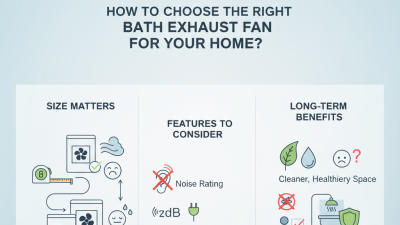
Choosing the right Bath Ventilation Fan is a crucial decision for any homeowner. A well-functioning fan prevents moisture buildup, reduces mold growth, and ensures air quality. When selecting a fan, consider the size of your bathroom. A fan that is too small will not effectively remove humidity. Conversely, a fan that is too powerful can create uncomfortable drafts.
There are various styles and features to consider. Some fans come with integrated lights, while others offer advanced noise reduction technology. Understanding your specific needs will help narrow down the options. Additionally, look for fans with high energy efficiency ratings. These not only save money but also contribute to a greener environment.
Remember, not all fans are created equal. Reading reviews and seeking recommendations can guide you in making an informed choice. It’s easy to overlook the importance of air quality in your bathroom. However, investing time in research will pay off in comfort and health. Take your time and choose wisely. Your bathroom will thank you.

Factors Influencing the Selection of Bath Ventilation Fans
Choosing the right bath ventilation fan involves understanding several factors. One significant aspect is the size of your bathroom. A small bathroom may not require a high-capacity fan. Conversely, larger spaces need more powerful fans for effective ventilation. Measure your bathroom's square footage to find an appropriate fan that meets the required air exchange rate.
Noise levels also play a critical role. Some fans operate quietly while others can be quite loud. If you prefer a peaceful environment, consider checking the fan's sones level. Lower numbers indicate quieter fans. However, these might come with a premium price. Weigh the importance of noise against your budget.
Tips: Look for features like humidity sensors. They activate the fan automatically when moisture levels rise, providing optimal functionality.
Additionally, ensure the fan has a good Energy Star rating for efficiency. Pay attention to installation requirements. Some fans may demand complex setups, which could affect your choice. The right fan should balance ease of use with efficiency, addressing your ventilation needs without overwhelming your space with noise.
Understanding the Importance of Airflow Rate (CFM) for Bathrooms
Choosing the right bath ventilation fan hinges significantly on understanding the airflow rate, measured in cubic feet per minute (CFM). Bathrooms commonly require a minimum CFM rating to effectively remove moisture, odors, and pollutants. According to the Home Ventilating Institute, a bathroom fan should ideally provide 1 CFM per square foot of bathroom space. For instance, a 100-square-foot bathroom would need a fan rated at 100 CFM.
Proper airflow is essential in preventing mold growth. Studies show that homes with adequate ventilation can reduce indoor humidity levels by up to 50%. Insufficient airflow can lead to moisture accumulation, which in turn fosters an unhealthy living environment. This is concerning, especially in humid regions, where high humidity can exacerbate respiratory issues.
Tips: When selecting a fan, consider not just the CFM but also noise levels. A fan rated below 1.5 sones is usually considered quiet. Additionally, ensure the fan is suitable for the bathroom size. A fan that is too powerful can cause drafts and discomfort. Lastly, regular maintenance is key. Dust buildup can reduce efficiency.
Bath Ventilation Fan Selection Guide
| Fan Model |
Airflow Rate (CFM) |
Noise Level (Sones) |
Energy Efficiency (Watts) |
Room Size Recommendation (sq ft) |
| Model A |
80 CFM |
1.5 Sones |
15 Watts |
Up to 80 sq ft |
| Model B |
110 CFM |
2.0 Sones |
20 Watts |
Up to 110 sq ft |
| Model C |
150 CFM |
1.0 Sones |
25 Watts |
Up to 150 sq ft |
| Model D |
200 CFM |
2.5 Sones |
30 Watts |
Up to 200 sq ft |
| Model E |
130 CFM |
1.2 Sones |
22 Watts |
Up to 130 sq ft |
Noise Levels in Bath Ventilation Fans: What to Consider
When selecting a bath ventilation fan, noise levels are a crucial factor. Fans have different sound ratings, measured in sones. A lower sone rating means quieter operation. For example, fans rated at one sone are among the quietest options, producing a sound level comparable to a whisper. In contrast, models at four sones could sound like a normal conversation. Many homeowners find three sones acceptable, balancing performance with noise.
Consider the space of your bathroom. Larger bathrooms typically require more powerful fans, which can generate higher noise levels. According to the Home Ventilating Institute, the recommended airflow for bathrooms is about one CFM (cubic foot per minute) for every square foot of space. A powerful fan may clear humidity quickly but could also be significantly noisier.
It’s essential to balance between adequate ventilation and your comfort with noise. Some find the hum of a fan soothing, while others may find it disruptive. Real-life feedback shows that some fans do not always meet noise expectations. Seeking independent reviews and testing sound levels before purchase can aid this decision. Ultimately, the choice hinges on personal preference and specific bathroom needs.
Energy Efficiency Ratings: Comparing Bath Ventilation Fan Options
When selecting a bath ventilation fan, energy efficiency is a key factor. Energy efficiency ratings, often designated by the Energy Star program, indicate how well an appliance uses energy. For bath fans, a model with an excellent rating can save up to 30% on energy costs compared to standard units. This can significantly lower your utility bills over time.
Experts recommend looking for fans with a high CFM (Cubic Feet per Minute) rating matched to the size of your bathroom. A bathroom fan should typically provide at least 1 CFM per square foot of space for optimal moisture removal. Many newer models also offer sound ratings. A lower sones rating means a quieter operation, which enhances comfort during use.
However, understanding these metrics can be complicated. Users often prioritize low noise but may overlook CFM ratings. This could lead to insufficient airflow and lingering humidity, causing mold issues. Efficiency alone shouldn't be the only concern. Balancing noise levels and airflow is crucial. Be mindful that higher efficiency doesn’t inherently mean better performance. Consider seeking advice from professionals who understand these nuances.
Installation Types: Choosing Between Ceiling, Wall, and Inline Fans
When selecting a bath ventilation fan, the installation type is crucial.
Ceiling fans are popular for their discreet placement and effectiveness. They can blend seamlessly into the bathroom, providing efficient air circulation.
However, the difficulty lies in installing them within existing ceiling structures. This might require additional support, which could increase costs.
Wall-mounted fans offer another option. These fans are easier to install since they can be placed directly on the wall.
This is particularly beneficial in bathrooms with limited ceiling space. Yet, wall fans may disrupt the aesthetic of the room. They can be loud, making them less appealing for relaxing environments.
Inline fans provide a unique solution, often installed in ducts rather than the bathroom itself.
They work quietly and reduce noise in the living space. However, their installation can be complex and may require professional help.
It’s important to weigh the pros and cons of each type based on your bathroom’s layout and your specific needs.
Many consumers overlook how proper ventilation impacts air quality and humidity levels, which can lead to future issues like mold growth.
Reflecting on these aspects can guide your choice effectively.