How to Choose the Best Centrifugal Pump for Your Needs?
Choosing the right centrifugal pump for specific applications can be challenging. With countless options available, understanding their unique features is crucial. According to industry reports from the Hydraulic Institute, centrifugal pumps account for over 80% of the pump market, highlighting their importance in various sectors.
When selecting a centrifugal pump, consider flow rates, head requirements, and liquid characteristics. A recent survey found that nearly 30% of users faced performance issues, often due to improper selection. It's essential to evaluate the pump's efficiency and reliability, as these factors directly impact operational costs and maintenance schedules.
Moreover, advancements in technology have enhanced the performance of centrifugal pumps. Recent studies show that pumps with variable frequency drives can improve energy efficiency by up to 30%. However, users often overlook critical details, leading to underperformance. A thorough understanding of your needs can prevent such pitfalls and ensure optimal operation.
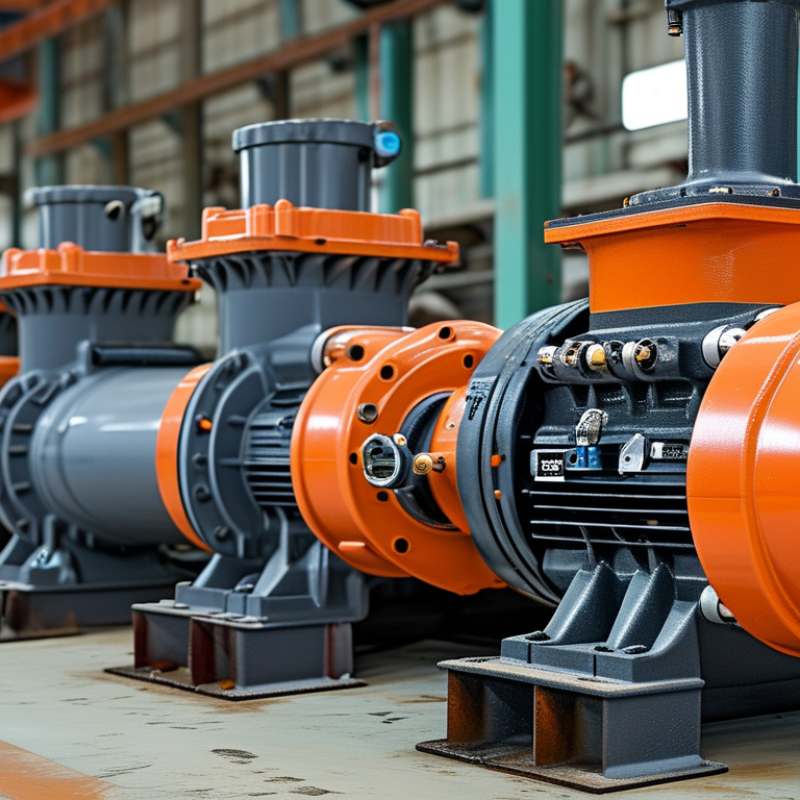
Factors to Consider When Selecting a Centrifugal Pump
Choosing the right centrifugal pump involves several important factors. One key consideration is the fluid type. Different fluids have unique properties like viscosity and corrosiveness. These characteristics can impact pump performance. A pump suited for water may not work well for thicker liquids. Understanding the fluid is crucial.
Another important aspect is the required flow rate and head. Flow rate indicates how much liquid needs to be moved, while head refers to the height the pump must lift the fluid. Misjudging these parameters can lead to inefficiencies. Too low a flow rate can result in a pump that struggles, while too high can cause unnecessary energy consumption.
It's also essential to evaluate the pump's materials and design. Materials should withstand the operating conditions. If the wrong choices are made, it could lead to quicker wear and tear. Pump design impacts efficiency, ease of maintenance, and overall durability. Taking the time to reflect on these aspects can prevent costly mistakes later on.
Understanding Pump Performance Curves and Specifications
Choosing the right centrifugal pump involves understanding performance curves and specifications. These curves illustrate how a pump operates under various conditions. They display flow rate on the horizontal axis and pressure on the vertical. Analyzing these curves helps identify optimal operating points.
When evaluating pumps, look for the Best Efficiency Point (BEP). This point maximizes efficiency, typically between 70% and 85%. If a pump operates far from the BEP, it may suffer from cavitation or increased wear. Data indicates that pumps running consistently below the BEP may decrease lifespan by 20% over time. Understanding these metrics allows users to prevent costly maintenance.
Specifications like NPSH (Net Positive Suction Head) are also crucial. Insufficient NPSH can lead to cavitation, causing damage. Users should match systems to the pump’s NPSH requirements for stability. Failure to do so can result in operational inefficiencies. These insights are vital for making informed decisions, yet they require continuous learning and analysis.
Different Types of Centrifugal Pumps and Their Applications
When selecting a centrifugal pump, understanding the various types available is crucial. Each type serves different applications and has unique features. For instance, the single-stage centrifugal pump is efficient for low-viscosity fluids. It is commonly used in water supply systems and industrial applications. However, this pump may struggle with thick fluids, highlighting its limitations.
In contrast, multi-stage centrifugal pumps are designed to handle higher pressures. They work well for applications such as boiler feedwater and irrigation systems. These pumps typically require more maintenance due to their complexity. Magnetic drive pumps are another option, ideal for corrosive liquids. They eliminate leakage risks but may not be suitable for high-capacity systems.
When choosing a pump, consider the specific requirements of your project. Factors like fluid type, required flow rate, and pressure needs are essential. Not all pumps fit every scenario, leading to inefficiencies if chosen incorrectly. Thorough research will ensure you select a reliable pump tailored to your needs, minimizing downtime and operational challenges.
Material Compatibility and Design Considerations for Pumps
When selecting a centrifugal pump, material compatibility is crucial. Different environments require specific materials to prevent corrosion and wear. A 2022 report from the Hydraulic Institute indicated that 46% of pump failures stem from wrong material choices. For example, stainless steel is often suitable for liquids with moderate acidity, while plastic may be required for highly corrosive fluids.
Design considerations also play a vital role. The layout of the pump must accommodate the fluid's viscosity and temperature. According to a recent study, 35% of operational inefficiencies in pumps arise from inadequate design parameters. An improperly designed pump may lead to cavitation, which can severely damage the system. Incorporating features like variable frequency drives can optimize motor speed, enhancing efficiency while adapting to flow needs.
Choosing the right materials and designs can be a complex process. Real-world applications often reveal unforeseen challenges, such as unexpected chemical interactions. Operators should monitor performance closely, especially in the initial stages. This ongoing evaluation helps in adjusting maintenance practices and preventing future failures.
Choosing the Best Centrifugal Pump According to Material Compatibility
This bar chart displays the compatibility of different materials with various fluids in centrifugal pumps. Material choice is crucial for optimal performance and longevity of pumps.
Maintenance and Operational Factors for Long-Term Efficiency
Maintaining a centrifugal pump is vital for its efficiency and longevity. Regular inspections can prevent minor issues from escalating into major failures. Check for leaks, vibrations, and unusual noises. These early signs can save costs and downtime. Consistent monitoring helps in making informed decisions regarding repairs or replacements.
Operational factors play a significant role in the pump’s performance. Ensure the pump operates within its designed limits. Overloading can lead to overheating and premature wear. Additionally, proper fluid selection is crucial. Fluids with particulates can cause erosion and reduce lifespan. Keeping the pump clean can enhance not just performance, but also reliability.
Quality installations matter too. A poorly installed pump can create excessive strain. Vibration analysis can help identify misalignment issues. Ensuring all components are compatible and properly aligned will yield better results. Refining these practices over time leads to improved efficiency and overall satisfaction with your pump system.