Top 10 Efficient Industrial Fans for Your Business Needs?
In today's industrial landscape, choosing the right equipment is crucial for success. An Efficient Industrial Fan plays a vital role in optimizing airflow and maintaining a comfortable environment. Businesses face challenges in selecting fans that meet specific operational requirements. An informed choice can enhance productivity and reduce energy costs.
The market offers a variety of options, but not all fans are created equal. Some may underperform or fail to meet durability standards. Factors such as fan size, design, and motor efficiency significantly impact performance. A detailed understanding of these elements is essential for any business.
Considering the unique needs of different industries is also important. For example, a warehouse might prioritize high airflow, while a manufacturing plant may focus on robust construction. Balancing effectiveness with reliability can be tricky. Evaluating the best options is key to making a wise investment.
Types of Industrial Fans: An Overview of Functions and Applications
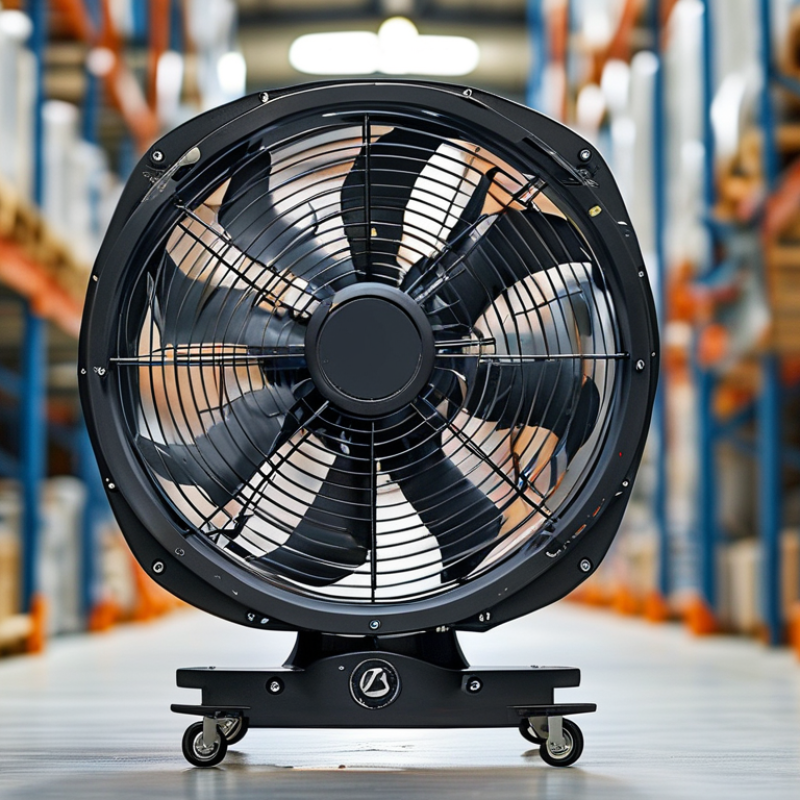
Industrial fans play a critical role across various sectors, enhancing airflow and temperature control. Understanding their types and functions is essential for optimizing efficiency. The most common types include centrifugal and axial fans. Centrifugal fans are designed to move air at high pressures, making them ideal for ventilating large spaces and dust collection. In contrast, axial fans are better suited for cooling and low-pressure applications.
Data from industry reports indicate that the global industrial fan market is expected to reach $6.2 billion by 2026, growing at a CAGR of 4.5%. This growth highlights the importance of efficient air movement in manufacturing processes. According to ASHRAE, well-ventilated environments can increase productivity by up to 15%. However, not all fans operate at peak efficiency. Many systems are improperly sized, leading to wasted energy and higher operational costs.
Regular maintenance is crucial for performance. Dust accumulation can severely decrease effectiveness. Reports show that neglected fans can operate at only 70% efficiency. Therefore, selecting the right fan type and ensuring proper maintenance is key to maximizing operational reliability and cost-effectiveness.
Key Features to Consider When Choosing Industrial Fans for Your Business
When selecting industrial fans for your business, several key features demand your attention. Efficiency is paramount. According to the U.S. Department of Energy, the right fan can reduce energy consumption by up to 30%. This means choosing a fan that operates effectively at varying operational speeds is crucial. Many modern fans include variable speed control, allowing you to optimize airflow depending on your specific needs.
Noise level is another important consideration. An effective industrial fan should not only deliver high airflow but also operate quietly. A study from the National Institute of Occupational Safety and Health (NIOSH) shows that prolonged exposure to loud equipment can lead to hearing loss. Therefore, examining the decibel rating of a fan is essential, as models designed with noise reduction technology could benefit both workers and productivity.
Durability should not be overlooked. Industrial environments can be harsh. Fans made from high-quality materials resist corrosion and wear over time, which ultimately impacts performance. However, even the best fans may require maintenance. Regular checks and timely repairs are vital to ensure efficiency over the fan's lifespan. In complex systems, there might be challenges in maintaining optimal conditions, adding another layer to your decision-making process.
Top Brands in the Industrial Fan Market: A Comparative Analysis
In the competitive industrial fan market, choosing the right brand can be daunting. Various brands offer a range of efficiency, durability, and design. Comparing these factors is crucial for making an informed decision for your business needs.
Many brands provide unique technologies to enhance airflow and energy efficiency. Some fans are designed for extreme conditions, which may not be necessary for all businesses. Others emphasize quiet operation, a feature that can be a game changer in a noisy environment. Evaluating these specific attributes can reveal much about a brand's focus and reliability.
Price is another essential consideration. Sometimes, lower-priced fans compromise on longevity or performance. Investing in a more reputable brand can save money in the long run due to fewer replacements and maintenance. However, businesses must also weigh what features are genuinely necessary for their operations, leading to potential over-analysis without decisive action.
Top 10 Efficient Industrial Fans for Your Business Needs
| Model |
Airflow (CFM) |
Power Consumption (W) |
Noise Level (dB) |
Weight (lbs) |
Price ($) |
| Model A |
5000 |
120 |
45 |
25 |
300 |
| Model B |
6000 |
150 |
50 |
30 |
400 |
| Model C |
7000 |
180 |
55 |
35 |
450 |
| Model D |
6500 |
160 |
48 |
32 |
380 |
| Model E |
5500 |
130 |
47 |
28 |
340 |
Energy Efficiency Ratings: Understanding the Impact on Operational Costs
When selecting industrial fans, energy efficiency plays a crucial role in reducing operational costs. Fans with high energy efficiency ratings consume less electricity, directly impacting your bottom line. Understanding these ratings can help businesses make informed decisions. For instance, a fan with an energy efficiency rating of 80% can save significant energy compared to one at 60%.
Tips: Always compare ratings before purchasing. Use an energy calculator to estimate potential savings. Regular maintenance can also boost efficiency. Cleaning fan blades and checking motors periodically ensures optimal performance.
Additionally, consider the fan's airflow and speed settings. A well-designed fan offers adjustable speeds, allowing for tailored airflow based on operational needs. This adaptability not only enhances comfort but also improves energy use. However, don’t overlook potential inefficiencies. Even top-rated fans can become energy hogs if not maintained properly or used inappropriately. Always evaluate your specific needs and usage patterns for the best results.
Top 10 Efficient Industrial Fans for Your Business Needs
This chart represents the energy efficiency ratings of the top 10 industrial fans suited for various business needs. A higher rating indicates better energy efficiency, resulting in lower operational costs.
Maintenance Tips for Prolonging the Lifespan of Industrial Fans
Industrial fans play a crucial role in optimizing air circulation and maintaining productivity in any workspace. Proper maintenance is vital for prolonging their lifespan. Regular checks can help prevent costly downtime.
Cleaning fans is essential. Dust and debris can accumulate, affecting performance. Use a soft cloth and a mild detergent to wipe the blades and housing. Inspect wiring and connections regularly. Loose wires can create safety hazards. Replace any worn parts promptly to avoid further damage.
Another tip involves checking the alignment. Misaligned fans can lead to vibrations. This can cause premature wear and tear. Use a level tool to ensure proper positioning. Listening for unusual noises can also signal issues. Address these problems early to keep your fan running efficiently.