China Top Centrifugal Fan Manufacturers and Their Leading Products?
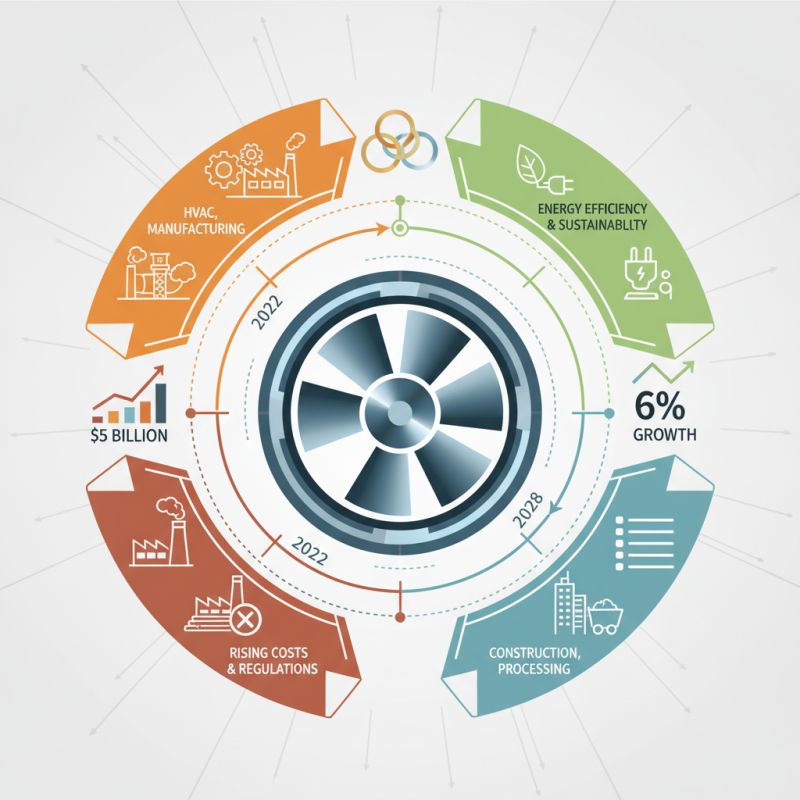
The centrifugal fan industry in China has seen remarkable growth in recent years. In 2022, the market size for centrifugal fans reached approximately USD 5 billion, with a projected annual growth rate of 6% through 2028. This growth reflects the increasing demand for effective air circulation across various sectors, including HVAC, manufacturing, and industrial applications.
Several manufacturers are at the forefront of this industry, producing high-quality centrifugal fans. Companies like HOWDEN, MINECENT, and FULTON have established themselves as leaders, gaining recognition for their innovative designs and reliable performance. Their products are widely utilized in industries from construction to chemical processing, showcasing a diverse application spectrum.
However, challenges persist. The industry faces pressures from rising materials costs and environmental regulations. Furthermore, consumer awareness about energy efficiency is growing. Manufacturers need to adapt quickly to these changing demands. This landscape highlights the complexity of the centrifugal fan market, where innovation must align with sustainability. The path ahead requires both reflection and strategic action.
China's Leading Centrifugal Fan Manufacturers Overview
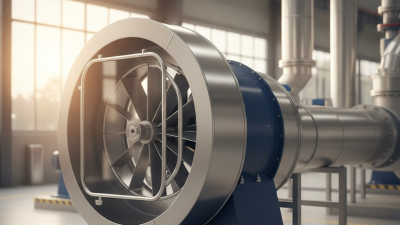
China's centrifugal fan industry is thriving. Manufacturers focus on innovation and efficiency to meet rising demand. These fans play a crucial role in various sectors, including HVAC, industrial applications, and electronics cooling.
Many manufacturers emphasize energy efficiency in their products. Some fans are designed for low noise operation, which appeals to residential users. Testing and quality control processes ensure reliability and performance. However, some companies still struggle with maintaining consistent standards.
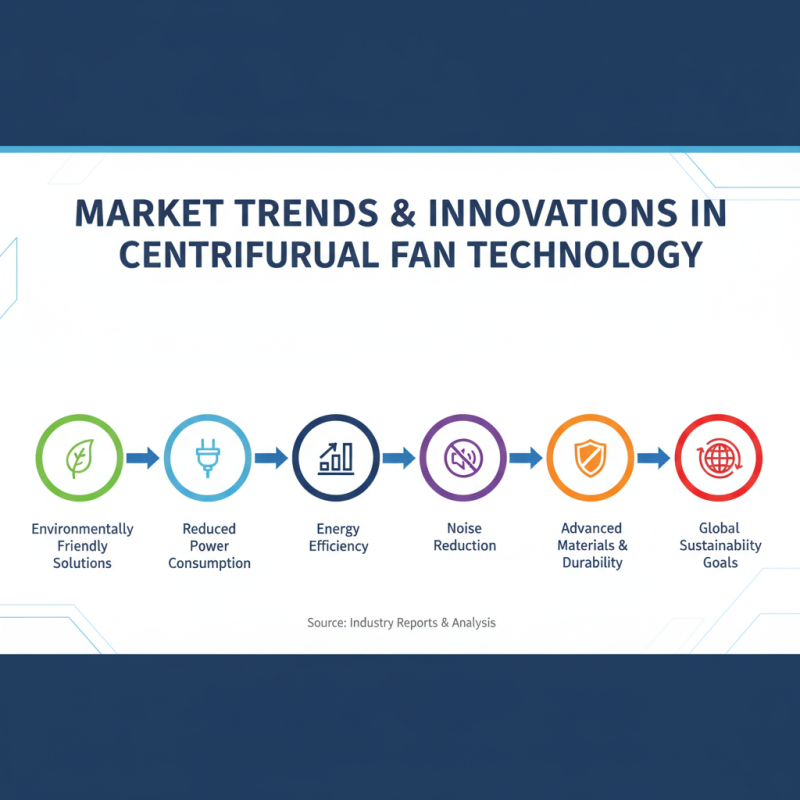
Emerging trends show increased interest in smart technology integration. This is a step forward for many manufacturers. However, the challenge remains in balancing modern features with competitive pricing. Venturing into new markets requires adaptation and bold strategies. Integration of advanced materials in fan design could also enhance durability and performance.
Key Characteristics of Top Centrifugal Fan Products in China
Centrifugal fans are vital in various industrial applications in China. Their efficiency and performance play a crucial role in air management systems. The leading products differentiate themselves through design, durability, and energy efficiency. According to recent industry reports, high-efficiency models can save up to 30% in energy costs compared to traditional fans.
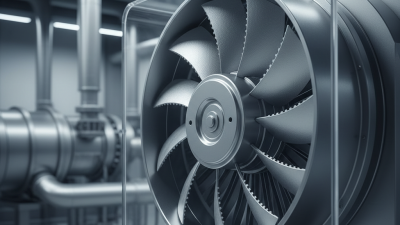
Key characteristics of top centrifugal fans include the fan blade design and motor efficiency. Blades are often angled to maximize airflow while minimizing noise. Furthermore, many products now incorporate advanced materials that enhance lifespan and withstand harsh environments. For instance, corrosion-resistant components are becoming standard, ensuring fans perform optimally in demanding conditions.
Tips for choosing a centrifugal fan: Always check for energy ratings. Look at the sound levels—quieter fans can improve workplace conditions. Pay attention to the supplier's reputation; reliability is vital for long-term performance. Remember, the initial higher cost may lead to significant savings in the long run.
China Top Centrifugal Fan Manufacturers and Their Leading Products
| Manufacturer |
Key Product |
Airflow Range (m³/h) |
Efficiency (%) |
Application |
| Manufacturer A |
Centrifugal Fan Model X |
1000 - 5000 |
85 |
HVAC Systems |
| Manufacturer B |
Centrifugal Fan Model Y |
2000 - 8000 |
90 |
Industrial Ventilation |
| Manufacturer C |
Centrifugal Fan Model Z |
1500 - 6000 |
88 |
Dust Collection |
| Manufacturer D |
Centrifugal Fan Model W |
2500 - 7500 |
92 |
Cooling Systems |
| Manufacturer E |
Centrifugal Fan Model V |
3000 - 9000 |
87 |
Agricultural Ventilation |
Applications of Centrifugal Fans in Various Industries
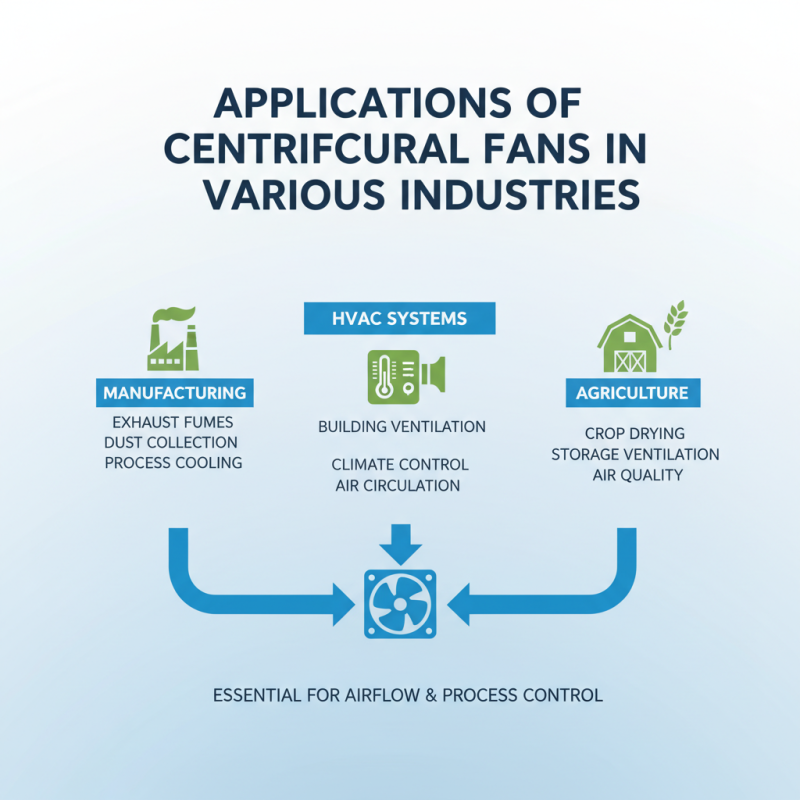
Centrifugal fans are crucial in various industries. They create airflow for cooling, ventilation, and process control. Their role is prominent in manufacturing, HVAC systems, and agriculture. Each application demands specific features from these fans. In industrial plants, they often manage exhaust fumes and dust. In agricultural settings, they help with drying crops and maintaining air quality in storage.
Choosing the right centrifugal fan is vital. Consider airflow requirements and efficiency. Some fans work better at high static pressures, while others excel in low-pressure environments. Selecting the wrong type can lead to inefficiencies. Always assess the environment where the fan will be used.
For optimal performance, regular maintenance is essential. Dust and debris can significantly affect functionality. Implement a routine cleaning schedule. This helps to ensure longevity and efficiency. Pay attention to unusual sounds or vibrations. They may indicate a mechanical issue that requires immediate attention.
Comparative Analysis of Manufacturer Performance and Product Quality
When examining centrifugal fan manufacturers in China, product quality stands out. Manufacturers focus on material selection to enhance durability and performance. High-grade aluminum and steel are common choices. These materials can improve efficiency and extended service life. However, some manufacturers still resort to lower-grade components to cut costs. This affects overall reliability and performance.
Performance metrics reveal a mixed bag. Some manufacturers achieve high airflow rates and low noise levels. Others struggle in these areas, leading to customer dissatisfaction. It's essential for consumers to examine established testing standards. Consumers should also seek certifications to validate claims made by manufacturers. Despite the advancements, some products may not live up to expectations, highlighting the importance of thorough research.
Manufacturer performance varies significantly. Factors such as production capacity and technology investment play crucial roles. Companies that invest in R&D tend to outperform their competitors. However, some remain stagnant, lacking innovation. This results in lower market competitiveness. Identifying the right supplier requires careful consideration of these factors. Quality assurance processes should be scrutinized, ensuring that product standards are consistently met.
Performance Analysis of Top Centrifugal Fan Manufacturers
This chart illustrates the product quality rating of five top centrifugal fan manufacturers. The ratings are based on various performance metrics and user feedback, providing a clear view of their product quality in the market.