2026 How to Choose the Best Low Noise Fan for Your Needs?
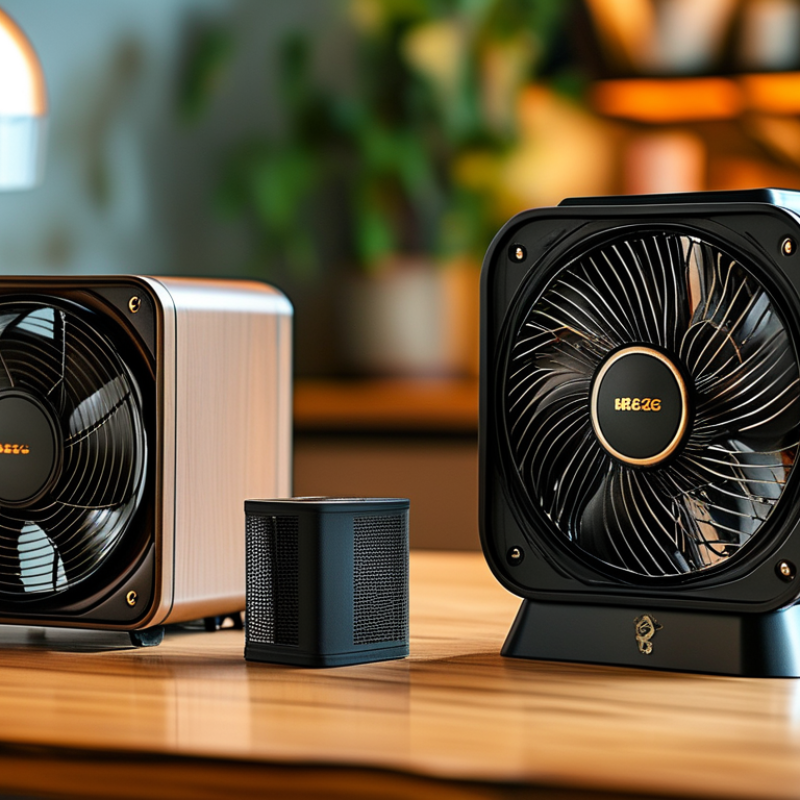
Choosing a Low Noise Fan can significantly impact your comfort at home or work. Noise levels often determine whether you can concentrate or relax. A silent fan soothes your environment, promoting productivity and peace. Various options exist, and understanding your needs is crucial.
Consider factors like size, style, and power consumption. A Low Noise Fan is not just about silent operation. It also affects airflow and energy efficiency. Users often overlook these details, leading to dissatisfaction. Finding the right balance is necessary.
Reliability is vital when selecting a Low Noise Fan. Research brands and read reviews. Ask for recommendations from trusted sources. Reflect on your own preferences and priorities. This process may take time, but the right choice can enhance your daily life.
Understanding Noise Levels and Their Impact on Fan Selection
When selecting a low noise fan, understanding noise levels is crucial. Noise is measured in decibels (dB), and small differences can impact your comfort significantly. A fan rated at 30 dB is generally quiet, resembling a whisper. A fan with 50 dB, however, might sound like background conversation. This discrepancy can affect sleep, concentration, or relaxation.
Many users overlook the importance of fan placement. A fan may produce less noise in one room compared to another. Walls and furniture can amplify sound. Testing different models in your space is advisable. Consider how the fan interacts with its surroundings. Sometimes, the quietest fan isn’t the best choice if it creates a disruptive airflow.
User reviews can provide insights into real-world noise levels. They help gauge whether a fan meets expectations. It’s essential to analyze both the specifications and the experiences of others. While manufacturers provide helpful data, individual needs can vary. A fan that is perfect for one person may not suit another. Finding harmony between noise level and fan performance requires careful consideration.
Key Features to Look for in Low Noise Fans
When choosing a low noise fan, consider several key features that enhance functionality. One major aspect is the motor design. Brushless DC motors tend to operate more quietly than traditional ones. This reduction in noise can greatly improve your comfort level, especially during sleep or focused work.
Another important feature is blade design. Fans with aerodynamic blades usually move air more efficiently and quietly. Look for fans with a gentle curve on the blades. This design reduces turbulence, leading to a smoother airflow and less noise.
Tips for selecting a fan: check the decibel rating. A rating below 30 decibels is ideal for quiet environments. Additionally, test the fan in-person if possible. Experience the sound firsthand to gauge if it meets your noise tolerance. Lastly, consider the size of the fan relative to the room. A more powerful fan may be necessary for larger spaces.
Types of Low Noise Fans and Their Applications
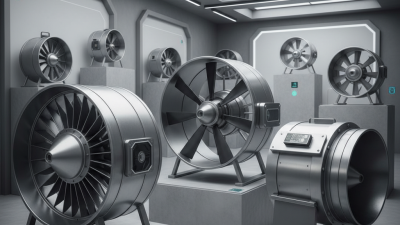
When choosing a low noise fan, it’s essential to understand the different types available.
Axial fans are popular for their efficiency and compact design. They are suitable for smaller spaces, such as home offices or bedrooms. These fans operate quietly, creating a gentle airflow that does not disrupt your focus or sleep.
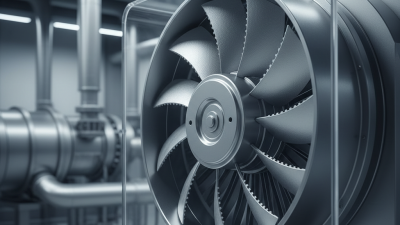
Centrifugal fans, on the other hand, are ideal for larger areas. They often produce a more powerful airflow.
However, their size may not be suitable for all environments. While they can be quiet, some models generate more noise than others. It’s important to analyze your space and usage needs before deciding. You might find that a quieter model becomes a source of peace in your busy home.
Consider where you will use the fan. In a nursery, the fan must be ultra-quiet. In workshops, a higher noise level might be tolerable. Reflect on these factors when making your choice. This decision impacts comfort, productivity, and overall well-being.
Tips for Evaluating Fan Performance and Sound Levels
When evaluating fan performance and sound levels, understanding decibel ratings is crucial. A standard conversation occurs at around 60 dB, while many low-noise fans operate between 25 to 40 dB. This difference can greatly impact comfort, especially in quiet environments like bedrooms or offices. Research indicates that prolonged exposure to noise levels above 50 dB can lead to increased stress and diminished focus.
Another important factor is airflow efficiency. Look for fans that provide optimal airflow at lower speeds. Manufacturers often use CFM (cubic feet per minute) ratings to indicate airflow capacity. A report from the American Society of Heating, Refrigerating and Air-Conditioning Engineers (ASHRAE) specifies that a high CFM value at lower RPMs can help maintain a quiet operation while still delivering adequate cooling.
Material quality also plays a significant role in noise levels. Plastic blades tend to produce more noise than metal ones. While plastic is lightweight, it can create vibration issues. In contrast, well-crafted metal blades reduce vibration and, consequently, noise. Investing in materials that minimize sound transmission can truly enhance your experience.
2026 How to Choose the Best Low Noise Fan for Your Needs? - Tips for Evaluating Fan Performance and Sound Levels
| Model |
Airflow (CFM) |
Noise Level (dBA) |
Speed Settings |
Power Consumption (W) |
| Model A |
300 |
25 |
3 |
50 |
| Model B |
400 |
30 |
4 |
60 |
| Model C |
350 |
28 |
3 |
55 |
| Model D |
450 |
32 |
5 |
65 |
Budget Considerations When Choosing a Low Noise Fan
When selecting a low noise fan, budget considerations play a significant role. A recent report by the American Society of Heating, Refrigerating and Air-Conditioning Engineers (ASHRAE) indicates that quiet fans range from $50 to $300. Understanding your budget helps narrow down options effectively.
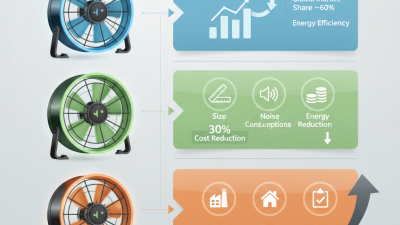
Higher-priced models often offer advanced features, such as variable speed settings and energy-efficient technology. According to a study by the Energy Efficiency Program, investing in a more expensive fan can lead to reduced energy costs over time. For instance, opting for a fan that uses 30% less energy can save over $70 annually in electricity.
However, not all budget-friendly fans deliver quality. Many provide insufficient airflow or poor durability. It’s essential to research product reviews and ratings. Many models may seem affordable, but if they cannot operate effectively, the initial savings can vanish quickly. Balancing your budget with performance is crucial for making a wise purchase.