2026 Best Exhaust Fan For Washroom to Enhance Air Quality?
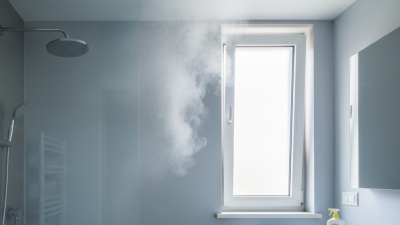
In recent years, the importance of air quality in bathrooms has gained significant attention. Studies indicate that poor ventilation in washrooms can lead to moisture issues, promoting mold growth and unpleasant odors. The right Exhaust Fan For Washroom can play a crucial role in mitigating these problems. Data from the Environmental Protection Agency shows that proper ventilation can reduce humidity levels by up to 50%. This reduction is vital for maintaining a healthy living environment.
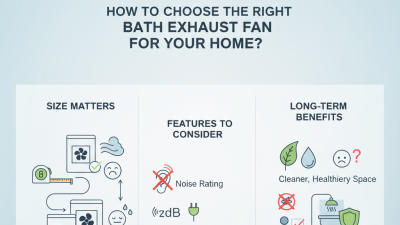
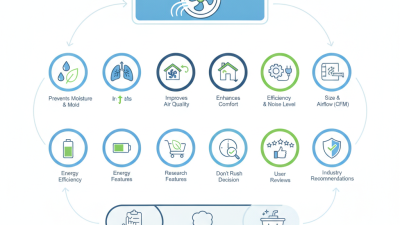
Selecting the best exhaust fan involves considering various factors, such as noise levels, energy efficiency, and airflow capacity. Many consumers overlook these aspects, potentially compromising air quality. The latest models offer advanced technologies, including humidity sensors and energy star ratings that enhance performance while minimizing energy consumption. Despite this, some fans may not be adequate for larger washrooms.
Investing in an efficient Exhaust Fan For Washroom not only improves air circulation but also enhances overall comfort. As awareness about indoor air quality rises, homeowners seek reliable options. Research suggests that a well-chosen exhaust fan can enhance the air exchange rate in washrooms significantly. This is essential for maintaining a pleasant atmosphere, making the right choice critical for every bathroom renovation or upgrade.
Understanding the Importance of Exhaust Fans in Washrooms
Exhaust fans play a critical role in maintaining air quality in washrooms. Stagnant air can lead to increased humidity and the growth of mold. Studies show that mold can develop in just 24 to 48 hours in humid areas. This is concerning as mold can trigger respiratory problems and allergies. An effective exhaust fan reduces humidity by expelling moist air, which helps prevent these issues.
According to the American Society of Heating, Refrigerating and Air-Conditioning Engineers (ASHRAE), proper ventilation can decrease airborne pollutants. It recommends that washrooms have at least 50 cubic feet per minute (CFM) of airflow to maintain healthy indoor air quality. Surprisingly, many homes fail to meet this recommendation. A significant portion of washrooms still lacks adequate ventilation, leading to persistent air quality issues.
Selecting the right exhaust fan is vital. Consider factors like noise levels and energy efficiency. A balance between performance and quietness is essential, especially for smaller spaces. Inefficient fans may disrupt daily activities. Investing in a quality fan can yield long-term benefits, including improved air quality and reduced moisture-related issues. Prioritizing washroom ventilation can contribute to a healthier living environment.
Key Features to Consider When Choosing an Exhaust Fan
When selecting the best exhaust fan for your washroom, understanding its key features is essential. One of the critical aspects is airflow efficiency, measured in cubic feet per minute (CFM). According to research, a fan should ideally offer at least 1 CFM per square foot of bathroom space. For a typical washroom of 100 square feet, this translates to a minimum of 100 CFM. This metric ensures effective moisture removal and improved air quality.
Noise level is another vital factor to consider. Fans are rated by sones, which represent their loudness. A fan with a rating of 1 sones is about as loud as a library. In contrast, levels above 4 sones can be disruptive. Reports note that many consumers prefer quieter models, especially for shared spaces. It’s crucial to balance noise with performance for a comfortable washroom experience.
Ventilation effectiveness also hinges on the design of the exhaust fan. A well-designed fan can prevent mold growth and air stagnation, two common problems in poorly ventilated areas. However, installation matters significantly. An improperly mounted fan may lead to decreased performance and wasted energy. Regular maintenance is necessary to ensure long-term reliability. Understanding these features helps consumers make informed choices for enhanced air quality.
Top Exhaust Fan Brands for Washrooms in 2026
When choosing the best exhaust fan for your washroom in 2026, it’s essential to explore reputable brands known for their reliability. A good exhaust fan can significantly enhance air quality by eliminating moisture and odors. Some brands have a solid reputation due to their innovative designs and efficient operation. Opt for models with quiet performance and high energy efficiency ratings.
Tips: Consider the size of your washroom when selecting an exhaust fan. An oversize fan could create excessive noise, while an undersized one may not ventilate effectively. Look for features such as humidity sensors and lights to add functionality.
Another key factor is installation versatility. Some exhaust fans can be mounted in various ways, providing flexibility. Certain brands offer easy-to-follow instructions that simplify the installation process. However, always review the user manual carefully to understand the installation requirements.
When evaluating features, prioritize durability and warranty options. A well-built exhaust fan can last for years. Additionally, check for customer reviews to gauge product performance over time. Aim to make an informed choice to ensure lasting satisfaction with your air quality improvement efforts.
Comparative Analysis of Exhaust Fans for Air Quality Enhancement
In a comparative analysis of exhaust fans, it’s crucial to focus on their impact on air quality in washrooms. A study from the Home Ventilation Institute found that improper ventilation can lead to a 50% increase in humidity levels, fostering mold growth. This can be concerning because high humidity negatively affects air quality, leading to respiratory issues.
When selecting an exhaust fan, consider the CFM rating, which indicates airflow. A fan should ideally exchange the air at least 8 times per hour. However, many consumers overlook this specification, leading to inadequate ventilation. According to the U.S. Environmental Protection Agency (EPA), maintaining indoor air quality is vital, and a well-chosen exhaust fan significantly contributes to this goal.
Choosing an energy-efficient model is another critical factor. Many modern fans are designed to operate quietly while providing effective ventilation. Yet, some consumers may be unaware that noise levels can be an essential consideration. A fan that is too loud may discourage regular use. Research indicates that a comfortable noise level—under 1.5 sones—encourages consistent ventilation, creating a healthier bathroom environment.
Installation and Maintenance Tips for Washroom Exhaust Fans
Proper installation is crucial for an efficient washroom exhaust fan. Begin by choosing a location near moisture sources, like showers or sinks. This placement ensures effective moisture removal. Always account for external walls to minimize duct length. An adequately short duct prevents potential blockages. Use insulated ducting to combat condensation. If the fan has a built-in light, ensure to follow electrical guidelines carefully. If unsure, consulting an electrician is wise.
Maintenance is equally important for longevity. Clean the fan blades and housing regularly to enhance performance. Dust and grime can accumulate quickly, reducing airflow. About once a month, check the fan's operation. Listen for unusual noises, which may indicate wear or blockages. If the fan appears sluggish, inspect the ductwork. Sometimes, visual inspections don't capture hidden issues. A trained professional can help identify less obvious problems. Regular maintenance keeps your exhaust fan running effectively, improving air quality.