Why Choose a Centrifugal Fan for Efficient Airflow Solutions?
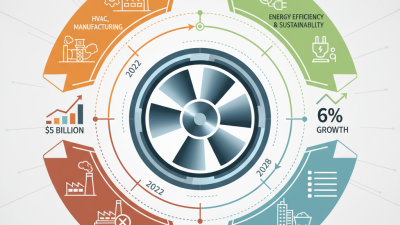
Centrifugal fans play a crucial role in industrial airflow solutions. These fans are designed to move air efficiently in various applications. According to the Global Ventilation Market report, centrifugal fans accounted for approximately 45% of the HVAC market share in 2022. This statistic highlights their importance in ensuring optimal airflow in different sectors.
Efficiency is a key factor when selecting airflow solutions. Centrifugal fans provide high static pressure and consistent airflow, making them ideal for challenging environments. Studies show that these fans can improve system efficiency by up to 30% compared to traditional fans. Yet, selecting the right centrifugal fan requires careful consideration of design and application specifics.
Industry professionals recognize that not all centrifugal fans are created equal. Variations in blade design, motor efficiency, and control mechanisms impact performance. Users must critically evaluate these factors for reliable outcomes. Although the benefits are clear, understanding the nuances of centrifugal fan technology remains essential for optimal performance.
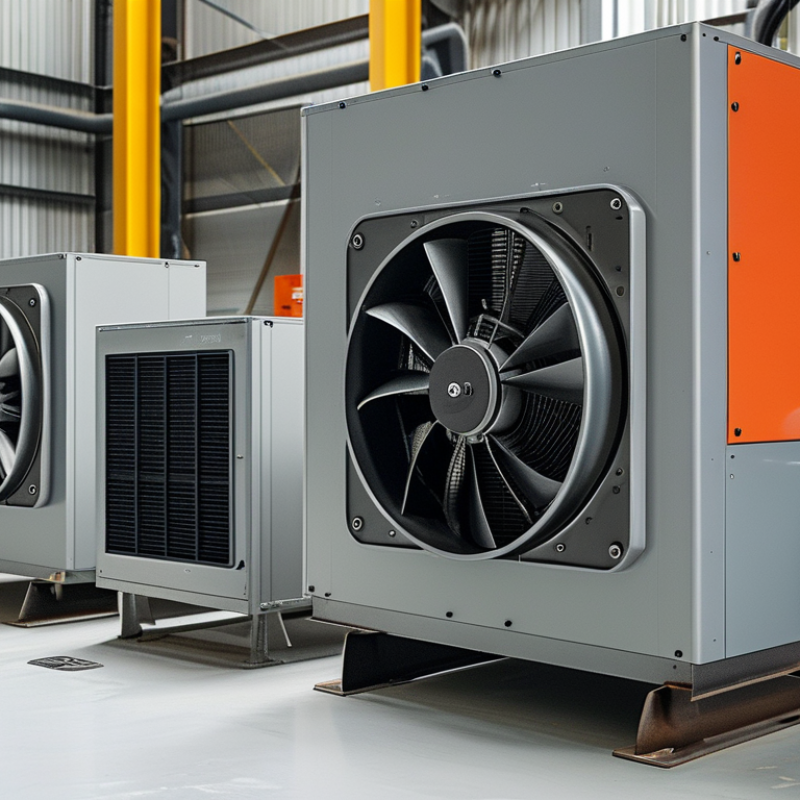
Understanding the Functionality of Centrifugal Fans in Airflow Systems
Centrifugal fans play a crucial role in modern airflow systems. Their design allows them to efficiently generate a high volume of airflow with relatively low energy consumption. According to industry data, they can achieve up to 70% efficiency in moving air. This efficiency is vital in reducing operational costs for industries that rely heavily on ventilation or cooling processes.
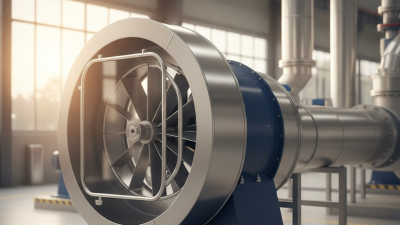
These fans operate by converting rotational energy into airflow. The impeller spins, drawing air into the fan and discharging it at a right angle. This unique design contributes to a robust airflow pattern that can combat high-resistance environments. Reports indicate that centrifugal fans are preferred in settings where air needs to move through filters or obstacles. They might struggle with knocking down noise levels compared to axial fans, but their ability to handle greater pressure differentials makes them more versatile.
While centrifugal fans typically excel in large spaces, they are not without their challenges. Proper sizing and installation are critical; a poorly chosen fan can underperform or create excessive noise. Industry experts emphasize the need for careful analysis during system design. Misalignments can lead to inefficiencies and increased wear over time. A definitive understanding of airflow dynamics is essential for selecting the right fan type for specific applications.
Key Advantages of Centrifugal Fans Over Other Types of Fans
Centrifugal fans are recognized for their efficiency in moving air. These fans utilize a rotating impeller to generate airflow. This design allows them to achieve higher pressure levels than axial fans. They are commonly found in industrial applications, ventilation systems, and HVAC units, making them a reliable choice for various operations.
Compared to other types of fans, centrifugal fans provide distinct advantages. Their ability to generate significant pressure makes them ideal for long duct systems. This ensures consistent airflow even in complex environments. Moreover, they operate quietly, reducing noise pollution in sensitive locations, such as hospitals or offices. However, one must consider maintenance needs; dust and debris can affect their performance over time.
The versatility of centrifugal fans stands out. They can handle a wide range of temperatures and are suited for various gases, including corrosive ones. This adaptability makes them essential in industries like chemical processing and waste management. Selecting the right fan involves understanding specific requirements and not just focusing on initial costs. Long-term efficiency and reliability should be prioritized for optimal performance.
Applications of Centrifugal Fans in Various Industries
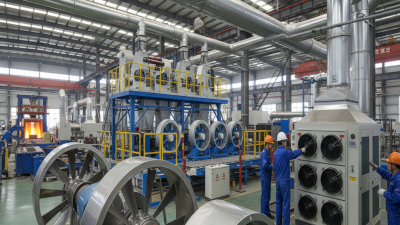
Centrifugal fans have become essential in various industries, providing efficient airflow solutions. Their design enables them to handle high volumes of air with minimal energy consumption, making them ideal for diverse applications. In manufacturing, for instance, these fans maintain optimal temperature and ventilation in production areas, ensuring worker safety and comfort. They can also help transport airborne particles, improving air quality within facilities.
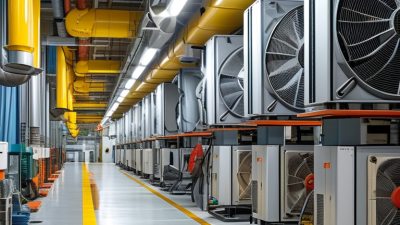
In the agricultural sector, centrifugal fans play a critical role in livestock barns and greenhouses. They promote proper air circulation, preventing heat buildup and humidity issues. This enhances the health of animals and plants alike, leading to better productivity. Furthermore, in HVAC systems, these fans efficiently distribute conditioned air throughout buildings, contributing to energy savings and enhanced climate control.
It's crucial to choose the right fan type for your specific needs. Consider factors such as airflow requirements and noise levels. Regular maintenance is vital to ensure long-lasting performance and efficiency. Inspecting the fan’s components can prevent costly downtime. Always seek expert advice if you're unsure about the best solution for your setup. This can save time and resources while boosting operational effectiveness.
Maintaining Efficiency: Best Practices for Centrifugal Fan Use
Centrifugal fans are known for their efficiency in moving air. To maintain this efficiency, proper usage and understanding of these fans are essential. Regular maintenance checks, including cleaning and lubrication, can significantly enhance their performance. Dust buildup can reduce airflow and energy efficiency. A fan that operates under optimal conditions lasts longer and performs better.
Monitoring the fan's operational parameters is crucial. Keeping an eye on vibration levels and operating temperatures allows for early detection of potential issues. If vibrations exceed normal levels, it may indicate misalignment or imbalance, which needs immediate attention. Operating a centrifugal fan within its designated range is vital. Overloading can lead to failure and inefficient performance. Users must also consider the placement of fans. Proper positioning can enhance airflow and reduce energy consumption.
Operators should be aware that adjustments might be necessary during the demon of use. External factors, like temperature and humidity, can impact performance. A fan that works well during one season may not perform similarly in another. It’s essential to regularly reassess the requirements and make adjustments as needed. Efficient airflow solutions depend heavily on how well users implement these best practices. Many overlook the importance of routine evaluations, which can lead to inefficiencies over time.
Selecting the Right Centrifugal Fan for Your Airflow Needs
Choosing the right centrifugal fan is crucial for optimizing airflow in various applications. Factors to consider include the fan's size, capacity, and efficiency ratings. According to industry studies, fans can account for up to 50% of the total energy consumption in HVAC systems. This highlights the importance of selecting a fan that meets the specific airflow demands of your environment.
When assessing your airflow needs, evaluate the system's static pressure requirements and airflow volume. A study by the ASHRAE indicates that improper fan selection can lead to a 30% decrease in system efficiency. Consider noise levels, maintenance needs, and energy costs. These elements are often overlooked yet significantly impact long-term performance.
Durability is another key aspect when selecting a centrifugal fan. Materials like galvanized steel or composite plastics can enhance longevity, reducing the frequency of replacements. Industry reports show that maintenance costs can soar by 15% when fans are not appropriately matched to system requirements. Therefore, a careful analysis of your specific needs is essential for long-lasting and efficient airflow solutions.
Airflow Efficiency of Different Fan Types
This chart compares the airflow efficiency of various fan types including Centrifugal Fans, Axial Fans, and Mixed Flow Fans, measured in cubic meters per hour (m³/h). Centrifugal Fans offer superior airflow solutions across a range of applications, making them an optimal choice for various industrial needs.