Local Exhaust Ventilation (LEV) systems play a critical role in maintaining workplace safety. According to Dr. Sarah Thompson, a leading expert in industrial hygiene, “Effective LEV minimizes exposure to harmful airborne contaminants.” This highlights the importance of designing efficient systems that can adequately capture pollutants.
Many facilities still struggle with proper LEV implementation. Common issues include inadequate maintenance and improper system design, which can lead to ineffective contaminant capture. Regular assessments are essential. They help identify weaknesses and optimize airflow patterns. Factors like system placement and filter selection directly impact efficiency.
Yet, even with best practices, challenges remain. The dynamic nature of workplaces means that LEV systems must continually adapt. A thorough understanding of local airflow dynamics provides better solutions. Ultimately, investing time in refining LEV systems promotes a safer environment for everyone involved.
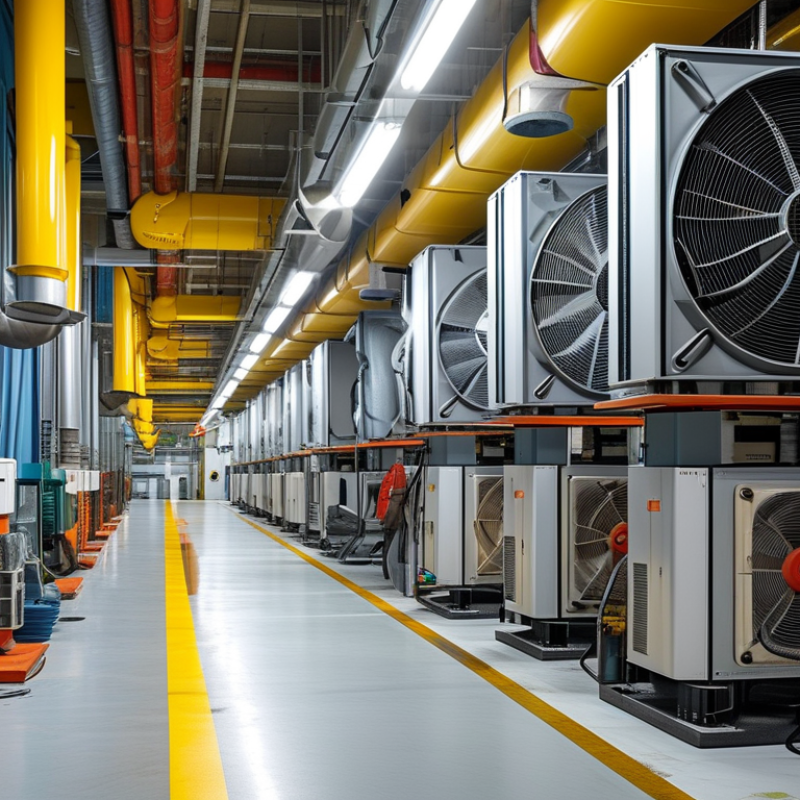
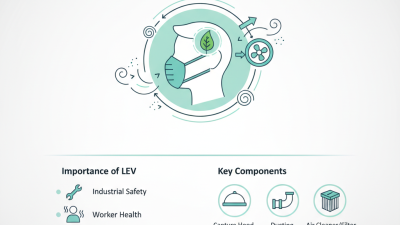
Local Exhaust Ventilation (LEV) systems are essential for creating safer work environments. They capture and remove airborne contaminants at their source, reducing exposure to harmful substances. Understanding LEV systems’ components, such as hoods, ductwork, and exhaust fans, is crucial for effective implementation. Proper design and placement enhance capture efficiency. A well-functioning system minimizes risks of respiratory issues among workers, ensuring a healthier workplace.
When installing LEV systems, consider airflow patterns. The location of hoods should align with how pollutants disperse. Avoid placing hoods too far from the source of contamination. Adjustments in duct design can greatly impact airflow and efficiency. Fittings should be minimized to reduce turbulence. Evaluating the system's performance regularly ensures it meets industrial standards.
Monitoring and maintenance are key. Regular checks can identify issues before they become significant problems. Dusty environments may require more frequent filter changes. Worker training on proper use is essential. They should understand the importance of keeping work areas clean. LEV systems work best when everyone is engaged in maintaining a safe environment.
| Best Practice | Description | Frequency of Maintenance | Required Monitoring |
|---|---|---|---|
| Regular Filter Replacement | Replace filters to maintain airflow and efficiency. | Monthly | Pressure Differential Monitoring |
| Ductwork Inspection | Inspect ductwork for leaks and proper alignment. | Quarterly | Visual and Smoke Testing |
| Fan Performance Testing | Assess fan speed and airflow to ensure optimal performance. | Annually | Airflow Measurement |
| Training for Personnel | Provide training on the correct usage and maintenance. | Biannual | User Feedback Survey |
| System Calibration | Calibrate the system to match design parameters. | Biannual | Performance Metrics Review |

Effective local exhaust ventilation (LEV) design hinges on several fundamental principles. First, understanding the airflow dynamics and the source of contaminants is crucial. The system must effectively capture airborne pollutants before they spread. This requires accurate assessment of work processes and potential emissions. Observing worker activities gives insights into where the exhaust should be positioned.
The dimensions and materials used in ducting are also significant. Proper sizing ensures that the airflow remains strong enough to transport contaminants while minimizing resistance. The selection of materials impacts durability and maintenance needs. For instance, using smooth materials reduces friction and enhances efficiency. Regular maintenance checks are necessary; they help in identifying leaks or blockages that can compromise system performance.
Monitoring and adjusting the system based on real-time data is essential for optimal function. Incorporating sensors can provide valuable feedback on air quality levels. However, one must be cautious about over-reliance on technology alone. Training users to understand system operation is key to effective usage. Addressing these areas can often reveal gaps in understanding. Reflecting on these aspects will ultimately foster a more reliable LEV system.
Local exhaust ventilation (LEV) systems play a crucial role in maintaining air quality in various industrial settings. These systems are designed to capture airborne contaminants directly at the source. They help protect workers from hazardous exposures, but their effectiveness relies on specific components. Understanding these components can enhance safety and efficiency in the workplace.
One key element of LEV systems is the hood. Proper hood design is essential for capturing contaminants before they disperse into the air. According to the American Conference of Governmental and Industrial Hygienists (ACGIH), the hood should be placed as close to the source as possible. Another critical component is the ductwork. Ducts must be properly sized to ensure adequate airflow and minimize resistance. Inadequate sizing can lead to diminished performance and increased exposure risk.
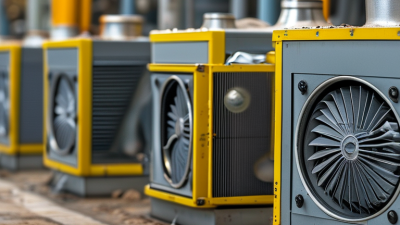
The fan is another vital component, as it creates the necessary airflow through the system. The fan should be powerful enough to maintain the desired velocity without excessive noise. A study by the National Institute for Occupational Safety and Health (NIOSH) noted that a well-maintained fan could reduce airborne concentrations of pollutants by up to 90%. Regular maintenance of these components is essential; neglecting them can compromise the entire system's effectiveness and worker safety.
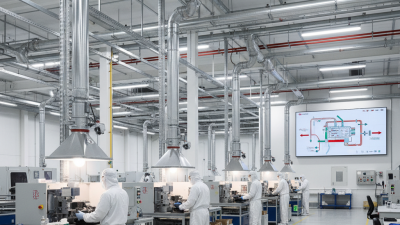
Local exhaust ventilation (LEV) systems play a crucial role across various industries, effectively removing airborne contaminants. In manufacturing sectors, such as metal fabrication and woodworking, LEV systems are essential to protect workers from harmful dust and fumes. According to the National Institute for Occupational Safety and Health (NIOSH), proper ventilation can lower exposure to hazardous substances by up to 90%. Many organizations still struggle with ineffective LEV designs, leading to insufficient air quality and worker safety risks.
In laboratories, LEV systems are commonly employed to handle volatile organic compounds (VOCs) and other hazardous materials. The American Conference of Governmental Industrial Hygienists (ACGIH) highlights that proper airflow rates and capture velocity are crucial for maintaining safety standards. However, it is concerning that a significant number of labs fail to conduct regular maintenance checks, which can compromise the performance of these systems.
Regular training on the importance of LEV systems is vital. Workers should understand how to operate these systems effectively. They must know proper placement and usage during operations. Ensuring that everyone involved in the process is educated on LEV protocols can foster a safer work environment. It is also essential to perform routine audits for compliance. Many businesses overlook this, which can lead to severe safety oversights. Proper setup and maintenance increase efficiency and ultimately contribute to a safer workspace.
Ensuring the safety and efficiency of local exhaust ventilation systems is crucial. Regular maintenance is key to achieving optimal performance. Inspect the system for any signs of wear or damage. This can include checking the ductwork for leaks or ensuring that fans are functioning correctly. Neglecting these checks can lead to decreased airflow and increased risks of contaminants in the workplace.
Safety considerations cannot be overlooked. Use appropriate personal protective equipment during maintenance tasks, such as gloves and goggles. Training staff on the potential hazards associated with exhaust systems is also essential. Some workers may underestimate the importance of proper ventilation. They should understand the system's role in protecting their health.
Even with regular checks, issues may arise unexpectedly. It's vital to have a response plan in place. This should outline steps to take if the ventilation system fails. Regularly revisiting and updating this plan is necessary. Continuous education for employees about ventilation system safety is often overlooked but increases overall effectiveness.