10 Best Environmentally Friendly Fans for Global Buyers
Cooling is becoming a global energy challenge, especially in warmer cities and rapidly developing markets. The International Energy Agency’s The Future of Cooling report projects that cooling energy demand could more than triple by 2050. The report also identifies fans as a simpler, lower-energy option when conditions allow natural or assisted air movement.
The stakes are real. UNEP’s Global Cooling Watch 2023 estimates that cooling demand could more than triple by 2050 without stronger efficiency measures. Environmentally Friendly Fans can reduce reliance on air conditioners, but their performance depends on more than attractive packaging. Motor efficiency, airflow volume, noise, standby power, repairability, and recyclable materials all matter. So does local voltage compatibility.
Professor Stefano Schiavon, a thermal-comfort researcher at the University of California, Berkeley, expresses the central principle clearly: “Fans cool people, not rooms.” That distinction guides this selection. A fan may improve comfort beside a desk, bed, or shaded patio, yet provide little benefit in an empty room. Small details matter.
This guide compares ten models for global buyers. It considers measurable efficiency, user experience, safety certifications, control options, and long-term ownership. Some product claims remain difficult to verify across countries. That is worth admitting. “Eco-friendly” labels are not always transparent, and efficiency tests may use different standards. Readers should check local certification rules, warranty support, plug types, and replacement-part access before buying. The best choice is rarely the most powerful model. It is the fan that delivers useful airflow with less energy, less noise, and less waste.
What Makes a Fan Environmentally Friendly?
An environmentally friendly fan does more than move air with a low electricity rating. It delivers useful airflow for each watt consumed, measured under a clear test method. Look for published power input, airflow, and noise data, not vague environmental claims. A 35-watt fan may use less energy than a 70-watt model, yet room size and speed settings change the comparison. That detail is easy to overlook. For global buyers, energy labels and voltage ratings can vary by market.
Efficient brushless DC motors often reduce operating power, especially at low speeds. Independent laboratory testing is more reliable than advertising language. A timer, sleep mode, and adjustable thermostat can prevent hours of unnecessary running. Keep controls simple. Smart features are not automatically sustainable; they may add standby consumption and electronic parts. A sturdy grille, replaceable fuse, accessible screws, and available spare parts can extend service life. Repairing a fan usually avoids the materials and transport involved in buying another.
Material choices also matter. Recycled metal, limited mixed plastics, and recyclable packaging can simplify recovery, although recycling rules differ by country. Check whether the manufacturer provides accurate material information and disposal guidance. I would question any “eco” label without test results or independent certification. Real use exposes weaknesses: a quiet fan may encourage longer operation, while a poorly balanced blade wastes energy through vibration. No fan is impact-free. In a small bedroom, switching it off when fresh air is enough still matters.
How to Compare Energy Efficiency, Materials, and Durability
When comparing environmentally friendly fans, I begin with measured airflow, not attractive packaging.
A fan using 35 watts may seem efficient, but weak airflow can waste energy during longer operation. Check the airflow rating, power draw, and noise level together. Airflow matters most. I use a plug-in energy meter and compare readings at low, medium, and high speeds. Recognized efficiency labels can help, but their testing methods may differ between countries.
Materials also deserve close inspection.
Recycled plastic can reduce virgin material use, while aluminum may offer better repairability and heat resistance. Look for sturdy grilles, secure screws, and controls that do not feel fragile. For humid regions, corrosion-resistant parts are important. Avoid assuming that heavier always means stronger. Some weight comes from unnecessary material.
Durability depends on more than the motor.
Sealed bearings, washable filters, replaceable parts, and clear warranty terms often indicate thoughtful design. Global buyers should confirm voltage, plug compatibility, local service access, and spare-part availability before ordering. I have found that real-world noise can differ from published figures, especially in small bedrooms. My own comparisons are not perfect. Room size, dust, and voltage stability change results. Still, recording monthly energy use and checking performance after several weeks gives a more reliable view than a single showroom test.
The 10 Best Eco-Friendly Fans for Global Buyers
For global buyers, the 10 Best Eco-Friendly Fans should be judged by airflow, energy use, durability, and repairability. The title sounds simple. The choice is not. The International Energy Agency reports that space cooling used nearly 10% of global electricity in 2018. It also projects cooling demand could triple by 2050. Efficient fans cannot solve everything, but they can reduce compressor-based cooling in suitable climates.
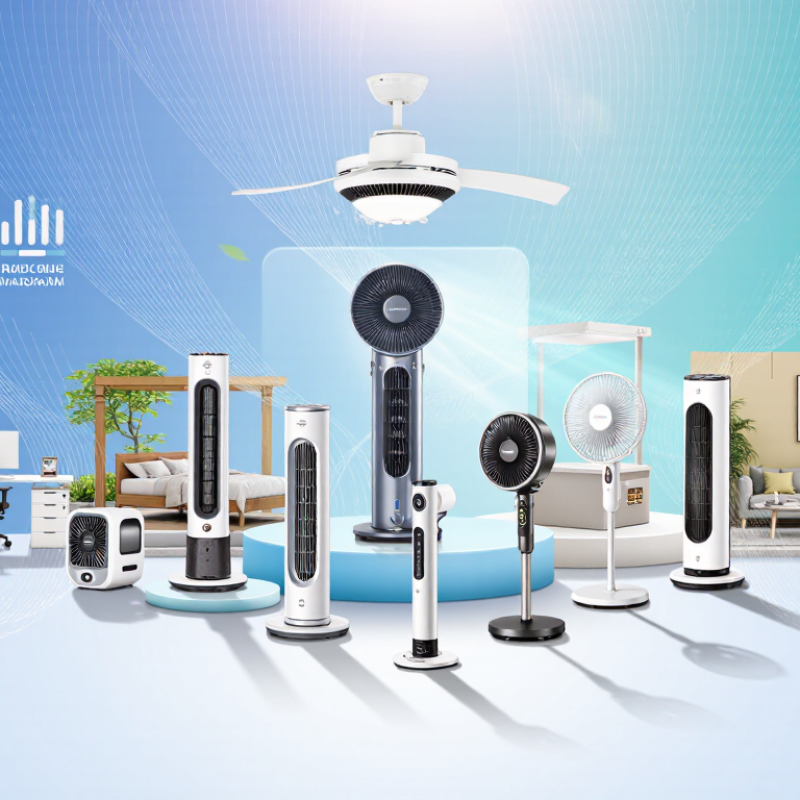
The ten strongest options should include efficient ceiling, pedestal, tower, desk, wall-mounted, window, rechargeable, solar-assisted, evaporative, and industrial-style fans. Prioritize efficient DC motors, multiple speed settings, sleep timers, and washable filters. A fan cools people, not rooms. The U.S. Department of Energy says ceiling fans can support a thermostat increase of about 4°F while maintaining comfort. That benefit depends on correct placement and local humidity.
Global shoppers should check voltage range, plug type, noise levels, spare-part access, and recognized safety certification. The 2023 UNEP Global Cooling Watch report warns that cooling demand could more than triple by 2050 without stronger efficiency measures. I would not call any fan perfectly green. A low-wattage fan that fails after one summer is not sustainable. Recyclable housing, durable bearings, replaceable controls, and long warranty support may matter more than a glossy efficiency label. These details are easy to overlook. They should not be.
Safe Use, Maintenance, and End-of-Life Recycling
10 Best Environmentally Friendly Fans for Global Buyers
Safe use, maintenance, and end-of-life recycling matter as much as airflow. The IEA reports that global space-cooling demand could triple by 2050. Efficient fans can support lower air-conditioner use, but they do not cool a room’s temperature. Choose models with stable guards, secure blades, thermal protection, and recognized electrical safety certification for your market. Keep cords away from hot surfaces and never operate a damaged fan. Small details prevent serious accidents.
Maintenance is simple, but often neglected. Unplug the fan before cleaning. Remove dust from the grille and blades with a soft, dry cloth. Do not spray water into the motor housing. Check for unusual noise, wobbling, or a warm plug. The U.S. Department of Energy advises using fans with air conditioning to improve comfort, rather than cooling empty rooms. I still find energy labels confusing across countries, so compare rated wattage and annual consumption carefully.
Tips: Clean monthly in dusty rooms. Leave space around the intake. Recycle responsibly.
The Global E-waste Monitor 2024 recorded 62 million tonnes of electronic waste in 2022, while only 22.3% was formally collected and recycled. When a fan reaches end of life, separate batteries from remote controls and deliver the unit to an authorized e-waste center. Metal, copper, plastic, and circuit boards may follow different recycling streams. Do not place the fan in ordinary household waste. Recycling access differs widely, and that limitation deserves honest attention.
10 Best Environmentally Friendly Fans for Global Buyers: Safe Use, Maintenance, and End-of-Life Recycling
Estimated annual electricity use by generic fan type, based on representative rated power and 8 hours of operation per day.
Annual electricity use is calculated as rated power × 8 hours per day × 365 days ÷ 1,000. Actual consumption varies with speed settings, room conditions, voltage, and operating time. For safer and more sustainable use, keep grilles clear, inspect cables and plugs, clean blades and filters regularly, and unplug the fan before maintenance. At end of life, separate removable batteries and electronic parts where possible and take the fan to an authorized electrical-waste recycling facility instead of placing it in household garbage.