2026 Best Kitchen Fan Options for Efficient Cooking?
Cooking efficiently requires thoughtful choices. One essential tool that often gets overlooked is the kitchen fan. A good kitchen fan improves airflow and enhances comfort while cooking. Quality kitchen fans can eliminate smoke, odor, and steam, creating a pleasant cooking experience.
In 2026, various options are available to help you find the best kitchen fan. Consider design, power, and features to choose what's right for your kitchen. From stylish wall-mounted designs to powerful range hoods, there’s something for every need. An appropriate kitchen fan also promotes safety by reducing humidity levels. This action can prevent mold growth, a common kitchen concern.
However, not every kitchen fan meets expectations. Some may lack efficiency or noisiness, which can detract from your cooking experience. It's essential to research thoroughly before making a purchase. You want a fan that aligns with your cooking style and space requirements. By doing this, you can enjoy a more efficient and pleasant cooking environment.
Top Features to Consider When Choosing a Kitchen Fan
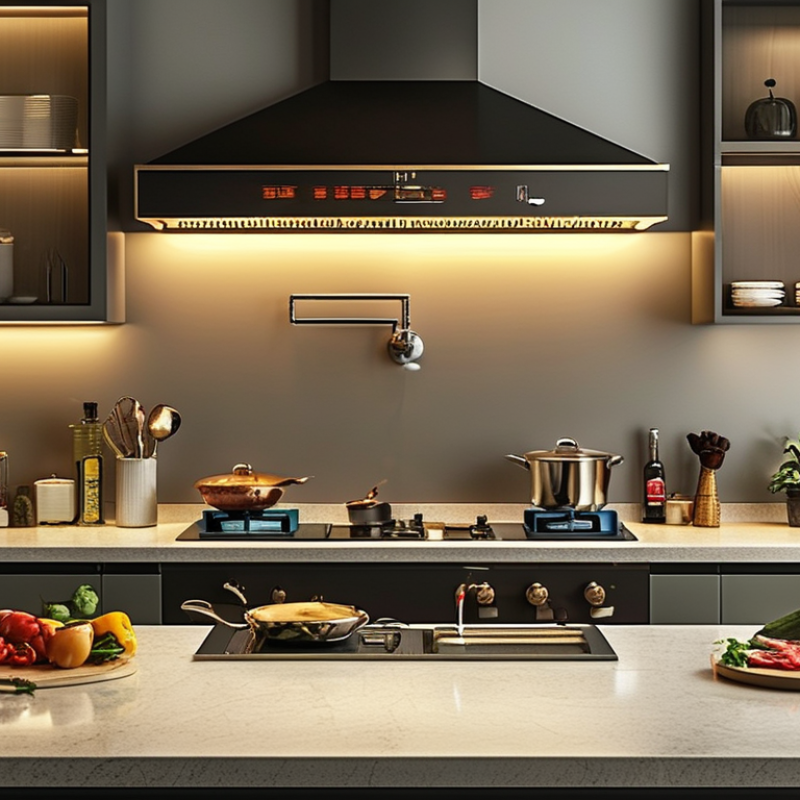
When selecting a kitchen fan, several key features greatly influence efficiency and comfort during cooking. According to the Home Ventilating Institute, proper ventilation can reduce indoor air pollutants by up to 60%. A fan with adequate airflow capacity, typically measured in cubic feet per minute (CFM), ensures that smoke, heat, and odors are effectively expelled, improving air quality. A fan with an airflow rate of at least 300 CFM is ideal for most residential kitchens.
Moreover, consider noise levels. Some fans operate quietly, measured in sones, while others may disrupt kitchen activities with loud noise. A fan under 3 sones is generally considered quiet, thus allowing for an enjoyable cooking atmosphere. Additionally, look for models with multiple speed settings. This flexibility allows you to adjust airflow according to cooking intensity and kitchen size.
Tip: Always assess the size of your kitchen before purchase. A fan too small will struggle, while one excessively powerful may create uncomfortable drafts.
Lastly, energy efficiency should not be overlooked. Models with Energy Star ratings use less power, saving you money on energy bills. Regular maintenance is crucial. Cleaning filters regularly enhances performance and extends the life of your fan. Investing in a kitchen fan that balances these features ensures a better cooking experience, even if initial choices seem overwhelming or imperfect.
Comparative Analysis of Popular Kitchen Fan Brands in 2026
In 2026, the kitchen fan market offers various options, each claiming to enhance cooking efficiency. A recent report from the Kitchen Appliance Industry Association shows that energy-efficient models are gaining traction. These fans can reduce energy usage by up to 30% compared to older models. Consumers are becoming increasingly conscious of their ecological footprint, driving demand for sustainable kitchen solutions.
When evaluating popular kitchen fan brands, airflow and noise levels are critical factors. A study conducted by the Home Comfort Research Group indicates that fans with adjustable speed settings can operate at lower noise levels, making them ideal for home chefs. Confusingly, some high-performance models generate more noise, which can detract from the cooking experience.
Another important aspect is the design. Sleek, modern designs enhance kitchen aesthetics and user experience. Surveys show that 40% of consumers prioritize appearance alongside functionality. However, not all styles perform equally; users report dissatisfaction with decorative models that lack effective airflow. This highlights the gap between aesthetics and practical performance in today's kitchen fans.
2026 Best Kitchen Fan Options for Efficient Cooking
| Model |
Airflow (CFM) |
Noise Level (dB) |
Energy Efficiency (W) |
Price ($) |
Warranty (Years) |
| Model A |
450 |
35 |
50 |
120 |
3 |
| Model B |
380 |
40 |
55 |
100 |
2 |
| Model C |
500 |
30 |
45 |
150 |
4 |
| Model D |
420 |
37 |
60 |
130 |
3 |
| Model E |
460 |
33 |
48 |
140 |
5 |
Energy Efficiency Ratings: How Kitchen Fans Save on Utility Costs
Choosing the right kitchen fan can greatly impact your cooking experience. These fans not only improve air circulation but also contribute to energy efficiency. By removing heat and humidity, they help maintain a comfortable cooking environment. This can lead to reduced reliance on air conditioning, lowering your utility bills.
Energy efficiency ratings are essential when selecting a kitchen fan. A higher rating typically means better performance and less energy consumption. Look for fans that operate quietly but effectively. Some models even feature variable speed options, allowing you to adjust airflow as needed. This flexibility can save energy while providing the right amount of ventilation.
However, your choice shouldn’t solely depend on energy ratings. Consider the size of your kitchen and the fan’s placement. An overly powerful fan in a small space can create drafts, detracting from comfort. Reflecting on these factors can lead to better decisions. Take the time to evaluate your unique cooking habits and environment before purchasing.
This bar chart displays the energy efficiency ratings (in kWh/year) of various kitchen fan models. Choosing an energy-efficient kitchen fan can help reduce your utility costs while maintaining optimal cooking conditions.
Impact of Kitchen Ventilation on Air Quality and Cooking Efficiency
Proper kitchen ventilation plays a crucial role in maintaining indoor air quality and enhancing cooking efficiency. According to the Environmental Protection Agency (EPA), poor indoor air quality can lead to health issues, including respiratory problems and allergies. Efficient kitchen fans can help mitigate these risks by removing smoke, steam, and odors. A recent study found that proper ventilation can reduce airborne pollutants by up to 70%, significantly improving the cooking environment.
When selecting a kitchen fan, consider factors such as airflow rate and noise level. Ideally, a fan should provide at least 300 CFM (cubic feet per minute) for optimal performance. A fan that operates quietly can enhance comfort while cooking. Installation also matters; placing the fan directly above the cooking area ensures maximum effectiveness in capturing contaminants.
Tip: Regular maintenance of kitchen fans is essential. Clean filters monthly to maintain performance.
Bear in mind that not all kitchens are designed for the same ventilation needs. Depending on the cooking style and frequency, some may require stronger fans. It’s important to balance fan power with the size of the kitchen. A small kitchen may feel cramped with excessive airflow, while a larger one may struggle with inadequate ventilation.
Tip: Evaluate your kitchen layout before purchasing a fan. It helps to avoid common mistakes.
Trends and Innovations in Kitchen Fan Technology for 2026
As we move towards 2026, the kitchen fan technology is evolving rapidly. New designs feature sustainable materials and energy-efficient motors. These innovations not only enhance the aesthetic of modern kitchens but also aid in reducing energy consumption. Filtration systems have improved, ensuring better air quality. You will notice quieter operations too, which improves overall cooking experiences.
Smart technology integration is also a key trend. Many kitchen fans now sync with home automation systems. You can control them via your smartphone or voice commands. This convenience is appealing, yet it may raise concerns about data security. Another aspect to consider is the learning curve for these advanced systems. Adapting to new technologies can be challenging for some users, and this may lead to frustration.
With these advancements, homeowners should weigh their options carefully. Not every innovation will suit every kitchen. It's essential to think about the specific needs of your cooking environment. Identifying the balance between technology and user-friendliness can be tricky. Ultimately, finding the right kitchen fan means more than just following trends; it's about enhancing your cooking journey.