Leave Your Message

How to Choose the Best Bath Ventilation Fan

A steamy mirror can reveal a bathroom’s ventilation problem faster than a product label can. Choosing the right Bath Ventilation Fan helps remove moisture, odors, and lingering humidity before they damage paint or encourage mold growth. Yet the most powerful model is not automatically the best choice. Room size, duct length, noise, and everyday habits all matter.

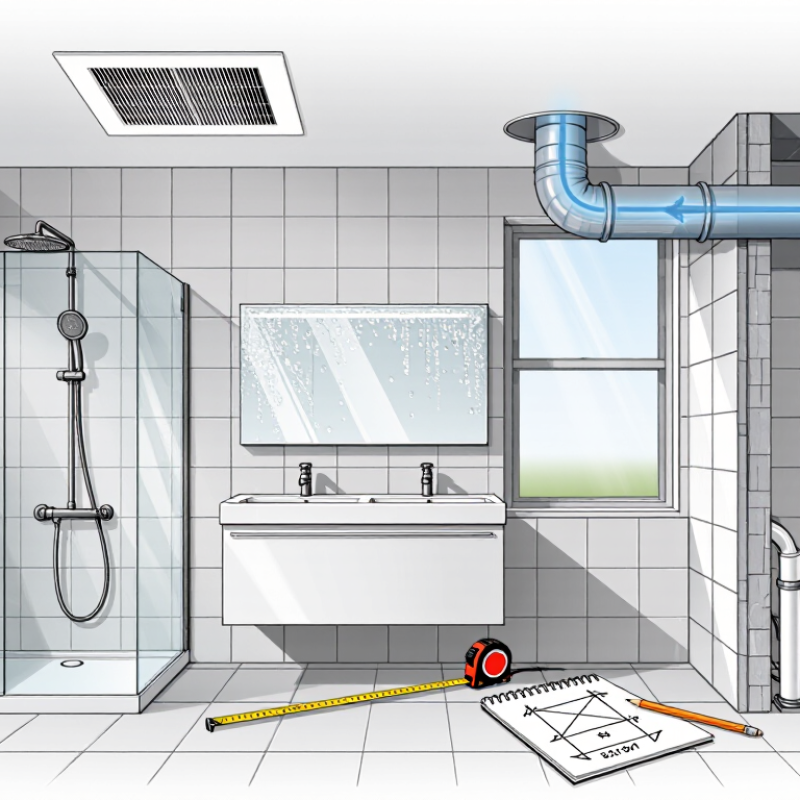
Start by measuring the bathroom and checking the fan’s airflow rating, usually listed in cubic feet per minute (CFM). A ventilation professional or manufacturer’s sizing guide can help match airflow to room dimensions and fixtures. Then inspect the route to the exterior. A long, narrow, or sharply bent duct may reduce performance, even when the fan has an impressive rating. Don’t overlook that detail. A quiet fan is easier to use consistently, while a timer or humidity sensor can help it run long enough after showers. Still, sensors are not magic; placement and settings affect how well they respond.

This guide compares practical features, installation considerations, and common trade-offs so you can choose with confidence. Look for clear specifications, warranty details, and product information from established manufacturers. If wiring, duct changes, or roof work are involved, consult a qualified professional rather than guessing. A fan cannot fix every source of dampness, and real bathrooms vary. That is worth remembering. The goal is not to buy the fanciest unit, but to select one that fits your space, works with the existing ductwork, and gets used day after day.
How to Choose the Best Bath Ventilation Fan

Understanding the Role of a Bathroom Ventilation Fan

A bathroom ventilation fan does more than remove unpleasant smells. Its main role is controlling moisture before warm vapor settles on walls, ceilings, and mirrors. In daily use, I notice the difference when a mirror clears within several minutes after a shower. Damp towels also dry faster, and the room feels less heavy. A fan cannot prevent every mold problem, but steady ventilation reduces the conditions mold needs.

When choosing a fan, check its airflow rating, measured in cubic feet per minute. A small bathroom may need less airflow than a large room with a deep soaking tub or frequent showers. The duct should discharge outdoors, never into an attic or ceiling cavity. Poor duct design can waste the fan’s power. A qualified installer should also check local building requirements, wiring, and the backdraft damper. Sound matters too. A very loud fan may be switched off, making its strong rating meaningless.

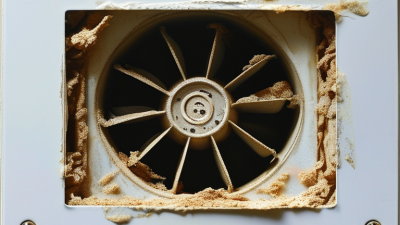
Useful controls include a timer and a humidity sensor. A timer keeps the fan running after the light is turned off, while a sensor responds to rising moisture. Clean the grille every few months because dust restricts airflow. I once underestimated this detail. The fan sounded normal, but its performance had quietly declined. That experience changed my view: ventilation depends on installation, maintenance, and everyday habits, not the fan alone.


Assessing Bathroom Size, Airflow, and Ventilation Needs

How to Choose the Best Bath Ventilation Fan

Bathroom size is the starting point, not the whole decision. The Home Ventilating Institute recommends about 1 cubic foot per minute (CFM) per square foot for bathrooms up to 100 square feet, with a 50 CFM minimum. A 60-square-foot bathroom therefore needs at least 60 CFM under this guideline. For larger rooms, fixture count and moisture load matter more. A deep shower, bathtub, or frequent family use can quickly exceed a simple floor-area estimate.

ASHRAE Standard 62.2 lists 50 CFM for intermittent bathroom exhaust or 20 CFM for continuous operation. These figures help, but duct length and bends can reduce real airflow. A powerful fan may perform poorly through a narrow, flexible duct. The U.S. Environmental Protection Agency recommends keeping indoor relative humidity between 30% and 50%, although bathroom humidity can rise briefly during bathing. I would not treat every published rating as actual performance. Installation quality remains an uncomfortable variable.

Tips: Measure the room, count major fixtures, and check the duct route before buying. Choose a fan with a tested airflow rating, not only a large motor number. Use a timer so the fan runs for about 20 minutes after bathing. Listen for rattling or weak airflow; these signs deserve attention. One calculation can still be wrong. Recheck the room after installation with a humidity meter.

How to Choose the Best Bath Ventilation Fan - Assessing Bathroom Size, Airflow, and Ventilation Needs

Assessment Dimension Bathroom Condition or Example Recommended Airflow Ventilation Requirement Selection Guidance
Small bathroom size Up to 50 sq. ft. with a toilet, sink, and standard shower At least 50 CFM Use a fan rated for continuous or intermittent operation according to the household ventilation plan. Choose a quiet ceiling-mounted fan that exhausts directly outdoors through a properly sized duct.
Medium bathroom size 51–100 sq. ft., such as a bathroom measuring approximately 8 ft × 10 ft Approximately 1 CFM per sq. ft.; typically 60–100 CFM Airflow should be sufficient to remove moisture from showers and normal bathroom use. For an 80 sq. ft. room, a fan rated near 80 CFM is a practical starting point, subject to duct resistance.
Large bathroom size More than 100 sq. ft. or a bathroom with several fixtures Calculate by fixture or use approximately 1 CFM per sq. ft. Fixture-based sizing helps account for multiple moisture and odor sources. Consider separate exhaust points or a higher-capacity fan when the room includes multiple showers, a toilet compartment, or a jetted tub.
Fixture-based sizing One toilet, shower, bathtub, or similar fixture About 50 CFM per standard fixture Use the combined fixture load when a large bathroom has several distinct exhaust needs. For example, a toilet plus shower may require approximately 100 CFM when sized by fixture count.
Jetted or whirlpool tub Bathroom includes a jetted tub or produces unusually high moisture About 100 CFM for the tub area Higher airflow helps manage moisture generated by warm, agitated water. Verify that the fan, duct, grille, and controls are suitable for the increased airflow and operating time.
High humidity exposure Frequent long showers, limited natural ventilation, or visible condensation Use the room-size or fixture calculation, then consider the next available capacity Moisture should be exhausted during bathing and for approximately 20 minutes afterward. A humidity-sensing control or countdown timer can improve operation and reduce the chance of early shutoff.
Air changes per hour Room volume is used to check whether the selected airflow is adequate ACH = CFM × 60 ÷ room volume Room volume equals length × width × ceiling height. Example: an 8 ft × 10 ft × 8 ft bathroom has 640 cu. ft.; a 64 CFM fan provides about 6 air changes per hour.
Duct length and bends Long duct runs, multiple elbows, crushed flex duct, or undersized ductwork The delivered airflow may be lower than the rated CFM Static pressure increases as the duct system becomes longer or more restrictive. Use smooth, adequately sized ductwork, minimize bends, and keep the exhaust route as short and direct as practical.
Exhaust termination Fan discharges through an exterior wall or roof No reduction in nominal fan capacity should be assumed Air must be expelled outdoors, not into an attic, crawl space, wall cavity, or ceiling void. Use an exterior termination with a backdraft damper and weather-resistant hood or roof cap.
Noise level Bathroom is near a bedroom, nursery, or quiet living area Prefer a lower sone rating Noise is measured in sones; a lower number generally indicates quieter operation. Compare sound ratings at the required airflow rather than choosing a fan by CFM alone.
Continuous ventilation Home requires background moisture control or the bathroom is used frequently Lower continuous airflow may be appropriate Continuous operation and intermittent operation are different sizing strategies. Follow local residential ventilation requirements and use controls designed for continuous-duty operation.
Make-up air Bathroom is tightly sealed or the home has strong exhaust appliances Airflow depends on the building envelope A fan cannot exhaust effectively if replacement air cannot enter the room. Provide a transfer path, such as a door undercut or grille, while maintaining privacy and complying with local codes.
Electrical and installation requirements New installation, replacement, or fan located near a wet area Follow the fan's rated installation conditions Electrical protection, clearances, wiring, and location requirements vary by jurisdiction. Use a qualified installer and verify local building and electrical code requirements before installation.
CFM means cubic feet per minute; ACH means air changes per hour. Airflow recommendations are planning values and should be checked against local codes, the fan's tested performance, duct resistance, and the actual installation conditions.

Comparing Fan Types, Noise Levels, and Energy Efficiency

Choosing a bath ventilation fan starts with airflow, but noise often determines whether people use it. The Home Ventilating Institute recommends about 1 cubic foot per minute (CFM) per square foot for bathrooms up to 100 square feet. A 70-square-foot bathroom therefore needs roughly 70 CFM. Ceiling fans are common and simple to install. Inline fans can reduce ceiling noise because the motor sits farther away. Window or wall fans may suit renovations, but their outdoor dampers need careful sealing.

Noise is measured in sones. HVI describes 1 sone as similar to a quiet refrigerator hum. Fans rated below 1 sone usually feel less intrusive during late-night use. However, a low laboratory rating can mislead. Duct bends, narrow tubing, and loose grilles create turbulence. I once chose a quiet fan but ignored the duct route. The installed result was noticeably louder. That mistake still matters.

Energy efficiency also depends on actual airflow, not only the motor label. The U.S. Environmental Protection Agency’s ENERGY STAR program reports that certified ventilation fans can use about 50% less energy than standard models. Look for tested CFM-per-watt performance and automatic humidity controls. A humidity sensor can prevent unnecessary running, yet it may activate too slowly in a cold room. Compare warranty terms, independent airflow certification, and accessible cleaning panels. Real performance is often less perfect than the specification sheet.

Checking Installation Requirements and Available Features

Choosing a bath ventilation fan starts with the installation, not the product label. Measure the room and inspect the existing duct route. The Home Ventilating Institute recommends at least 1 CFM per square foot for bathrooms up to 100 square feet, with a 50 CFM minimum. A larger room needs fixture-based calculation. Do not vent into an attic. The U.S. Department of Energy warns that warm, moist air can damage insulation and roof materials.

Check the duct diameter before buying. A powerful fan connected to a narrow, crushed duct may perform poorly and create noise. Keep the run short, use smooth metal ducting, and terminate outdoors with a weather hood and backdraft damper. Confirm the electrical rating and switch location. Wet areas require careful installation. Local codes still control the final decision, even when a manual seems clear.

Available features should match household habits. A timer switch can keep the fan running after a shower, while a humidity sensor responds automatically. Look for HVI-certified airflow and sound ratings, not inflated marketing claims. ASHRAE Standard 62.2-2022 supports local exhaust ventilation for bathrooms, but real performance depends on ductwork and commissioning. I once focused too heavily on airflow and ignored noise. That was a poor choice. A loud fan often gets switched off. Choose a unit that occupants will actually use, and leave access for future cleaning.

Selecting the Best Fan for Your Budget and Maintenance Plans

How to Choose the Best Bath Ventilation Fan

Selecting the Best Fan for Your Budget and Maintenance Plans

A bath fan is an everyday tool, so consider more than its purchase price. Check the airflow rating against your bathroom’s size, and choose a model that meets local building guidance. A fan that is too weak may leave mirrors fogged and corners damp. One that is oversized can cost more without solving every moisture problem. Noise matters, too: a quiet fan is easier to keep running during a shower.

Think about installation and upkeep before buying. Some fans fit existing ceiling openings, while others may require duct changes or electrical work. Properly routed ducting must carry moist air outdoors, not into an attic. That detail can affect the total cost more than expected. Look for an accessible grille and a motor assembly that can be cleaned without complicated disassembly. Maintenance still takes time, and I would not assume a “low-maintenance” label means maintenance-free.

Tips: Compare the full installed cost, not just the shelf price. Read the cleaning instructions before choosing. Set a reminder to remove dust from the grille every few months; a crowded vent can restrict airflow. If the fan rattles or moisture lingers despite regular use, check the duct path and seek qualified help rather than guessing.