Why Is My Exhaust Fan Not Working? This question often appears after a bathroom mirror stays fogged, or kitchen steam hangs beneath the cabinets. A silent fan may have a simple cause, such as a tripped breaker, clogged grille, or worn switch. Sometimes, the motor has failed. The symptoms can look similar, which makes guessing unreliable.
This guide explains practical checks for homeowners, based on common service experience and manufacturer guidance. You will learn how to inspect the power supply, wall switch, airflow path, fan blades, and motor noise. Turn off the circuit before removing the cover. A voltage tester can confirm whether power is present, but electrical testing requires care. Do not touch exposed wiring if you lack training.
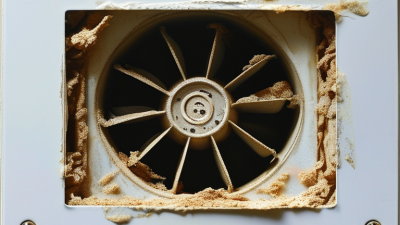
Small details matter. Dust may form a thick gray mat over the grille. A loose connector can leave the fan completely quiet. A rattling sound may point to a loose blade or aging bearing. The phrase “Exhaust Fan Exhaust Fan” may look unusual, but it often reflects a repeated search for this exact problem. The real issue is usually more specific.
Some repairs are reasonable for a careful homeowner. Others need a qualified electrician or ventilation technician. Replacing a fuse without finding the cause is not a dependable fix. I have seen fans blamed for poor airflow when the exterior damper was blocked. That mistake is easy to make. It also shows why a careful diagnosis matters more than a quick replacement.
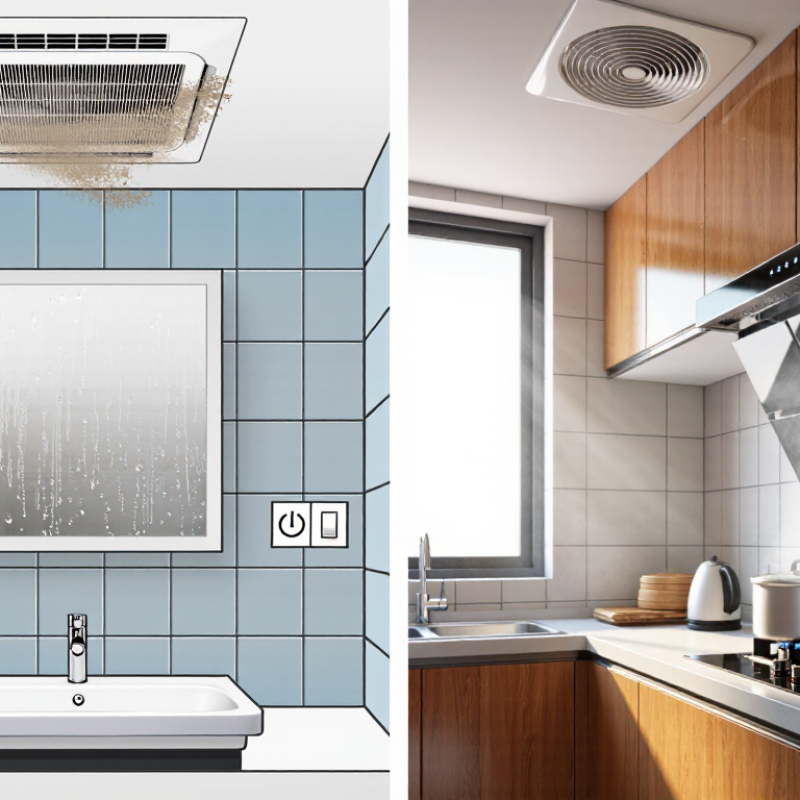
An exhaust fan can stop because of a tripped breaker, failed wall switch, or loose electrical connection. Turn off the circuit before removing the grille. Never test exposed wiring casually. A non-working fan may also have a failed motor capacitor, worn bearings, or a humidity sensor that no longer responds correctly.
Dust is another frequent cause. Hair and lint can cover the grille, while grease can restrict the fan wheel. A blocked duct or stuck exterior damper creates similar symptoms. The motor may hum, but airflow remains weak. The Home Ventilating Institute references 50 cubic feet per minute for intermittent bathroom ventilation, or 20 CFM for continuous operation. A dirty system may fall far below that level.
Check the grille, duct route, and outside flap. Carefully.
The U.S. Environmental Protection Agency recommends keeping indoor relative humidity between 30% and 50%. Poor ventilation can leave condensation on mirrors, ceilings, and painted surfaces. That moisture may damage finishes and encourage mold growth. A common inspection mistake is replacing the motor before checking the switch or duct. I might start there too, but the evidence should decide. If the fan trips the breaker, smells hot, or shows damaged wiring, stop testing and contact a qualified electrician.
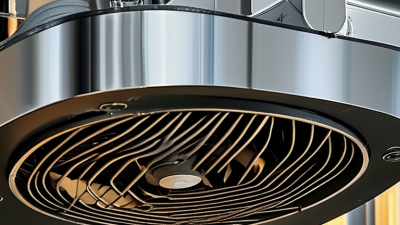
Why Is My Exhaust Fan Not Working?
How to Check the Fan’s Power Supply and Controls
A silent exhaust fan often has a simple electrical cause. Turn off the wall switch, then check whether other nearby fixtures work. A tripped breaker or ground-fault outlet may have interrupted power. Reset it only once. If it trips again, stop and contact a qualified electrician.

With power isolated, inspect the switch, timer, and speed controller for loose wires, heat marks, or a cracked cover. Do not remove live wiring. Restore power and test each control separately. A timer may look active while its internal contacts have failed. I once misread a faint indicator light as proof of power, which was a poor assumption. Use a suitable voltage tester to confirm power at the switch and fan connection. If you are unsure how to test safely, get professional help.
Tips: Listen closely. A hum suggests power may reach the motor, while complete silence can indicate a failed switch or connection. Check the fan’s isolation switch, if fitted. Make sure the control matches the fan type. Some speed controls cause damage when paired incorrectly. Dust can also restrict movement, but clean the housing only after disconnecting power. Never bypass a safety device. Photograph wire positions before inspection, though photographs can still mislead. Verify each connection carefully.
Why Is My Exhaust Fan Not Working?
How to Inspect the Motor, Blades, and Internal Components
When an exhaust fan stops, do not assume the motor has failed. I begin by checking the wall switch, breaker, and visible wiring. Turn off power at the breaker before removing the grille. Confirm the fan cannot start unexpectedly. A voltage tester can help, but it should not replace proper electrical testing. Dust, moisture, or one loose connection may imitate a dead motor.
Remove the grille carefully and inspect the blades. Clean them with a soft brush if dust has formed a thick, uneven layer. Spin the blades by hand. They should move smoothly without scraping the housing. Check the motor shaft for stiffness, wobbling, or dark heat marks. A humming motor may have a failed capacitor or blocked bearings. Capacitors can retain electrical charge. Do not touch them unless you are trained.
Look inside the housing for burned terminals, corrosion, loose connectors, or damaged insulation. Take a photo before disturbing any wiring. A practical mistake is blaming the motor too quickly; a clogged duct can overload a healthy unit. I have sometimes misread a noisy bearing as a wiring fault. That is why each part deserves a separate check. Stop immediately if wiring is brittle, the casing feels hot, or the fault remains unclear. A qualified electrician should inspect those conditions.
A silent exhaust fan is not always a dead motor. Start with the grille. Dust can block airflow, while a loose switch, tripped breaker, or jammed damper can stop operation. Turn off power first, then vacuum the grille and wipe the visible blades. The Home Ventilating Institute recommends cleaning bathroom exhaust components regularly, often every six months in dusty homes. That interval is not universal. Kitchens and humid bathrooms may need more attention.
Test airflow with a tissue held near the grille. Weak suction suggests a clogged housing, crushed duct, or dirty exterior flap. ASHRAE Standard 62.2-2022 uses 50 cubic feet per minute intermittently, or 20 continuously, as a common bathroom ventilation benchmark. A fan that sounds normal but misses that performance deserves inspection. Do not guess. Measure the airflow when possible.
Repair makes sense when the switch, capacitor, grille, or damper is faulty. A grinding motor, scorched wiring, repeated overheating, or severe rust points toward replacement. Replace it. The U.S. Environmental Protection Agency recommends indoor humidity below 60%, ideally between 30% and 50%, to limit moisture problems. If peeling paint, condensation, or mildew keeps returning, the fan may be undersized or poorly ducted. I would not replace the unit before checking the duct route. That mistake wastes money, and it happens more often than expected.
An exhaust fan that suddenly stops may have a simple cause, such as a tripped breaker, clogged grille, or failed switch. Do not restore it immediately. Turn off the circuit at the distribution board, then apply a lockout or clear warning label. OSHA’s control-of-hazardous-energy standard, 29 CFR 1910.147, requires isolation before servicing energized equipment.
The wall switch is not proof of safety. Test for the absence of voltage with a correctly rated tester, and verify the tester before and after testing. Remove the grille only after isolation. Look for loose wires, melted insulation, darkened terminals, water marks, or a burnt smell. Check whether dust blocks the blades or duct opening. NFPA’s Electrical Fires report estimated about 35,150 U.S. home structure fires involving electrical distribution and lighting equipment each year from 2015 to 2019. Those figures cover broad equipment categories, but they show why small warning signs deserve attention.
A humming motor may indicate a seized bearing or failed capacitor. A breaker that trips again is a stop signal. Never bypass a thermal protector, grounding conductor, or safety interlock. One common mistake is replacing the motor before checking moisture above the ceiling. That shortcut can repeat the failure. If insulation is damaged, the housing is wet, or the circuit still trips, leave the fan isolated and call a qualified electrical professional. Restore service only after secure connections, clear airflow, and correct protective devices have been confirmed.
Safety checks before restoring the fan to service
The fan should only be returned to service after every listed control has passed. Confirm isolation has been removed safely, inspect the wiring and terminals, verify that guards are fitted, check that the motor and fan rotate freely, and confirm that airflow is unobstructed. Electrical test limits must follow the equipment rating and applicable local requirements.