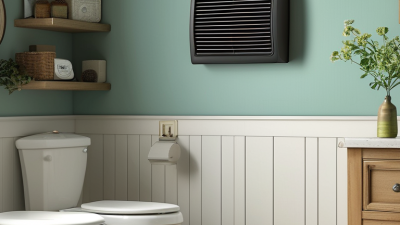
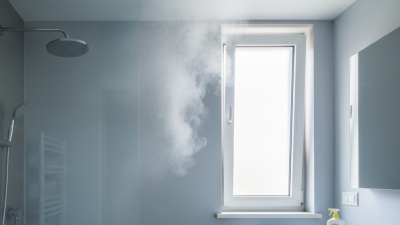
How to Choose the Best Bath Exhaust Fan for Your Home?
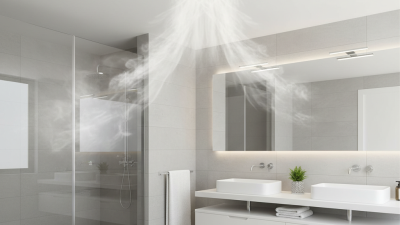
Selecting the right Bath Exhaust Fan for your home can greatly enhance air quality. A well-functioning exhaust fan helps remove moisture and odors from your bathroom. It also prevents mold growth, a common issue in humid spaces.
Many factors come into play. Consider fan size, noise level, and energy efficiency. The CFM (cubic feet per minute) rating is essential. A higher CFM means better ventilation. However, efficiency should not be overlooked. A noisy fan can disturb your peace.
Installation matters too. Some fans are easier to install than others. You may need professional help, which adds to the cost. Budget constraints might limit your options. Reflecting on these aspects can help you choose wisely. A selection made without proper research can lead to frustration down the road. Ultimately, the right Bath Exhaust Fan makes a significant difference.
Understanding the Importance of a Bath Exhaust Fan in Home Comfort
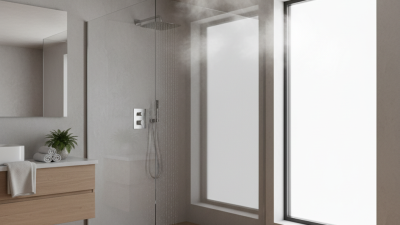
A bath exhaust fan plays a vital role in enhancing home comfort. It actively removes moisture and prevents mold growth. High humidity in bathrooms can lead to unpleasant odors and deterioration of fixtures. This is especially true in poorly ventilated spaces. Installing a reliable exhaust fan can mitigate these issues effectively.
Selecting the right fan requires understanding your bathroom's size and layout. A fan should adequately circulate air without being overly noisy. Some users, however, overlook the importance of sound levels. An excessively loud fan can disrupt a peaceful environment. Also, consider maintenance needs. Easy-to-clean models save time and ensure longevity.
People often underestimate the design impact of an exhaust fan. A well-chosen fan not only improves air quality but also complements the overall bathroom aesthetics. Inadequate ventilation may cause discomfort and health issues over time. Reflection on these factors can lead to better choices and improved living conditions.
Key Factors to Consider When Selecting a Bath Exhaust Fan
When selecting a bath exhaust fan, several key factors demand attention. Noise level is paramount. The best models operate quietly, usually under 1.5 sones. Fan efficiency matters, too. According to the Home Ventilating Institute, a fan should provide at least 1 CFM (cubic feet per minute) per square foot of bathroom space. This ensures adequate ventilation to reduce humidity and prevent mold growth.
Sizing is an often-overlooked aspect. A fan too small won't effectively eliminate moisture, whereas an oversized unit can waste energy. Additionally, ensure the fan is rated for the space, particularly if it includes a shower. Consider the fan's energy efficiency as well. Models with ENERGY STAR ratings can significantly reduce utility costs. Research indicates that a quality fan can lead to a 15% reduction in energy consumption.
Installation plays a critical role. Fans should be mounted in an optimal location for best airflow. Proper ductwork enhances performance, preventing air leaks and noise dampening. Poor installation can lead to dissatisfaction and inefficiencies. Ultimately, each choice in this process requires careful thought to achieve effective and reliable performance in your bathroom.
Types of Bath Exhaust Fans and Their Features
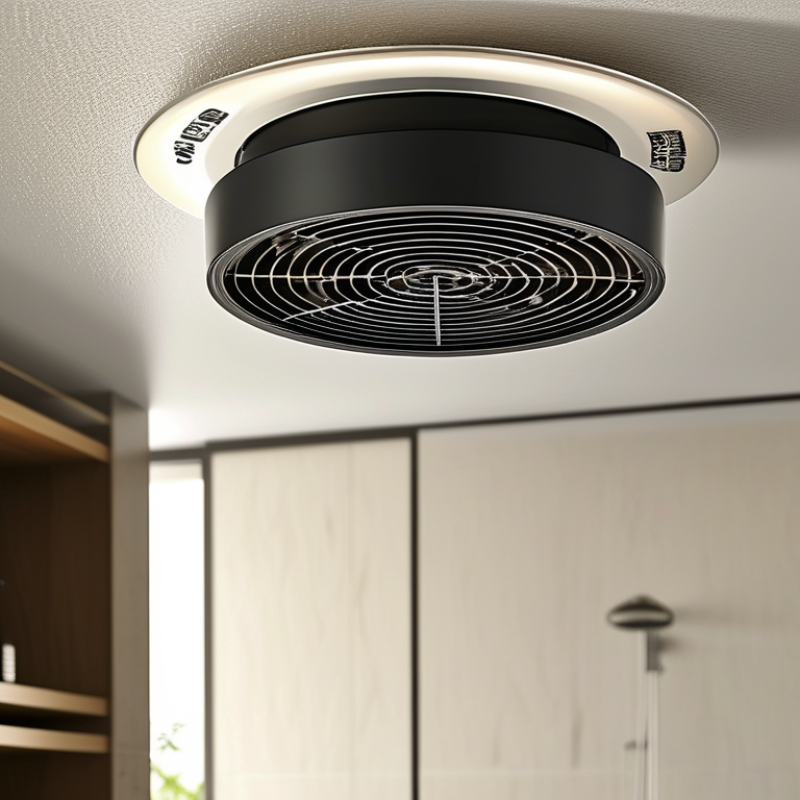
Choosing the right bath exhaust fan is essential for maintaining air quality and preventing moisture buildup. There are several types of bath exhaust fans available, each featuring unique specifications. Vented fans, for instance, expel moist air outside, helping to control humidity effectively. Alternatively, you might consider inline fans, which offer quiet operation by being installed away from the bathroom.
Some fans come equipped with sensors. These sensors automatically activate the fan when humidity levels rise. This feature can significantly enhance convenience and efficiency. Another option is a fan with a built-in light, which serves dual purposes. It can brighten your space while also ensuring proper ventilation.
Tips: Consider the noise level of the fan. A quieter model may be ideal for peaceful environments. Also, think about the size of your bathroom. A fan that’s too small will struggle to manage humidity. Reflect on your preferences; a powerful fan might not always be necessary. Always prioritize features that best fit your specific needs.
How to Calculate the Required CFM for Your Bathroom Size
When selecting a bath exhaust fan, understanding the required CFM (Cubic Feet per Minute) is crucial. CFM measures how effectively a fan can expel moisture and odors. The general guideline is to aim for 1 CFM per square foot of the bathroom's area. However, it's essential to adjust this figure based on specific factors. For example, larger bathrooms or those with higher ceilings may necessitate more airflow.
To accurately calculate the required CFM, measure the bathroom's square footage. For an 8x10-foot bathroom, you have 80 square feet, which suggests a minimum of 80 CFM. Yet, if your bathroom houses a shower or bathtub, consider increasing the CFM by 20%. According to the Home Ventilating Institute, larger bathrooms may require 50% more airflow due to added steam from showers. Keep in mind that these calculations are not perfect; not all bathrooms are created equally, and user experiences vary.
Think about the noise level as well. Higher CFM fans can produce more noise. Aim for a fan rating below 1.5 sones for quieter operation. Balancing airflow and noise can be tricky. Test different fan settings to find what works best. Overall, the CFM calculation is a starting point, but personal needs and bathroom specifics should guide the final selection.
Installation Tips and Maintenance for Bath Exhaust Fans
Installing a bath exhaust fan can seem daunting, but proper techniques ensure efficiency. First, focus on correct placement. Aim for the fan to be near the shower or tub. This allows it to effectively remove humidity. Industry data shows that proper ventilation can reduce mildew and mold growth by up to 70%. Investing time in placement matters.
When it comes to installation, follow simple guidelines. Securely attach the fan to the ceiling joist. Ensure the ducting has minimal bends; this maximizes airflow. Studies suggest that a straight duct reduces noise levels, enhancing comfort. Keep in mind that improper installation can lead to energy loss. Seal any gaps around the ductwork to prevent leaks.
Regular maintenance is key. Clean the fan grill every few months. Dust can impede performance. According to the Home Ventilating Institute, a well-maintained fan operates 15% more efficiently. Consider checking the fan's motor annually. This proactive approach extends its lifespan and keeps the air in your bath fresh.
How to Choose the Best Bath Exhaust Fan for Your Home? - Installation Tips and Maintenance for Bath Exhaust Fans
| Dimension |
Details |
| Fan Size |
Varies (e.g., 50 CFM to 110 CFM) |
| Noise Level |
Measured in sones (e.g., 0.5 to 4.0 sones) |
| Energy Efficiency |
Look for Energy Star ratings |
| Installation Type |
Ceiling-mounted or wall-mounted options |
| Control Options |
Always-on, humidity sensor, timer switches |
| Maintenance Tips |
Clean the fan blades and grill every 6 months |
| Common Issues |
Inadequate air flow, excessive noise, or failure to start |