What is a Heat Recovery Ventilator and How Does It Work?
A Heat Recovery Ventilator (HRV) enhances indoor air quality while conserving energy. It operates by exchanging stale indoor air with fresh outdoor air, capturing heat from the outgoing air. This smart technology is vital for modern buildings aiming for efficiency.
Dr. Emily Johnson, an expert in residential energy systems, emphasizes, “An HRV not only saves energy but also improves comfort.” Many homeowners are unaware of the specific benefits. An HRV can significantly reduce heating costs. Yet, understanding how it works remains a challenge for many.
The importance of a Heat Recovery Ventilator is clear. However, one might wonder about its installation and maintenance requirements. These factors often raise concerns among potential users. Exploring these aspects helps demystify the technology, encouraging more people to invest in HRVs for their homes.
What is a Heat Recovery Ventilator?
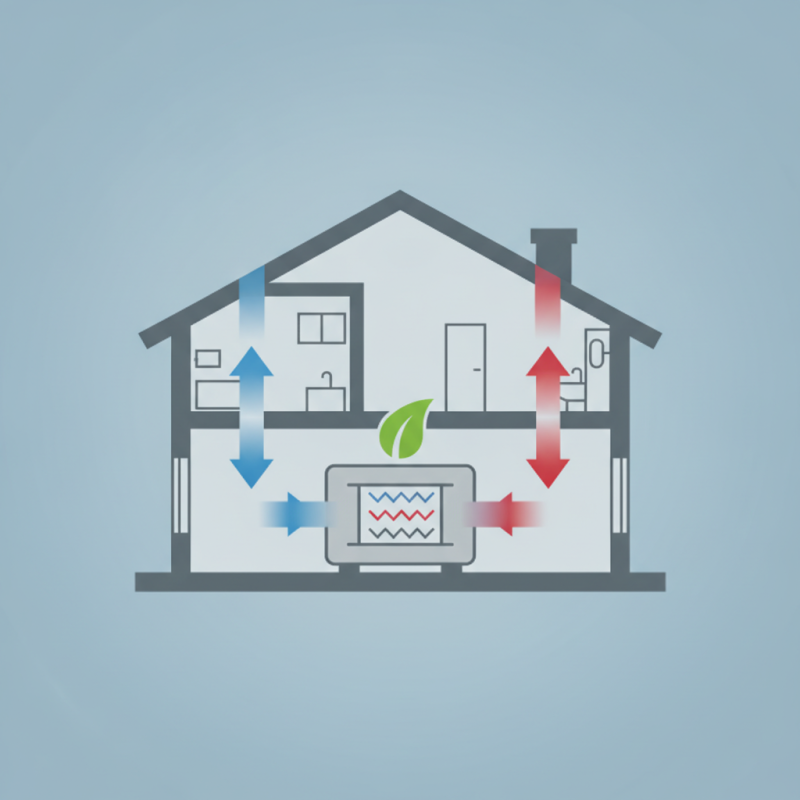
A Heat Recovery Ventilator (HRV) is an essential system for improving indoor air quality. It works by exchanging stale indoor air with fresh outdoor air, but it captures heat from the outgoing air. This ensures that you maintain comfort without wasting energy, especially during extreme weather. HRVs can be particularly useful in tightly sealed homes where ventilation is often lacking.
The process involves two air streams. One side draws in fresh air from outside, while the other expels old air from inside. A heat exchanger allows for the transfer of heat between these two air streams. This mechanism is fascinating: while the outgoing air warms the incoming air in winter, it cools it in summer. The efficiency of these systems can vary, and understanding their performance requires careful assessment. Some models may not deliver expected results, highlighting the importance of proper installation.
As technology evolves, HRVs continue to gain popularity. Yet, homeowners must ensure their chosen system fits their specific needs. Regular maintenance is vital for optimal functioning, as neglect can lead to reduced efficiency. Each system has its strengths and weaknesses, demanding thorough research before making a decision.
What is a Heat Recovery Ventilator and How Does It Work?
| Dimension |
Description |
| Function |
Transfers heat between outgoing stale air and incoming fresh air |
| Energy Efficiency |
Can recover up to 90% of heat from exhaust air |
| Components |
Heat exchanger, fans, filters, and ductwork |
| Installation Location |
Typically installed in basements, attics, or utility rooms |
| Maintenance |
Requires regular filter changes and system checks |
| Benefits |
Improves indoor air quality, reduces energy costs, maintains comfort |
| Suitability |
Ideal for homes with tight construction and limited natural ventilation |
Key Components of a Heat Recovery Ventilator
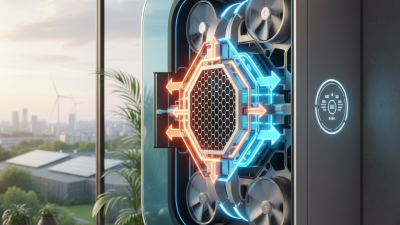
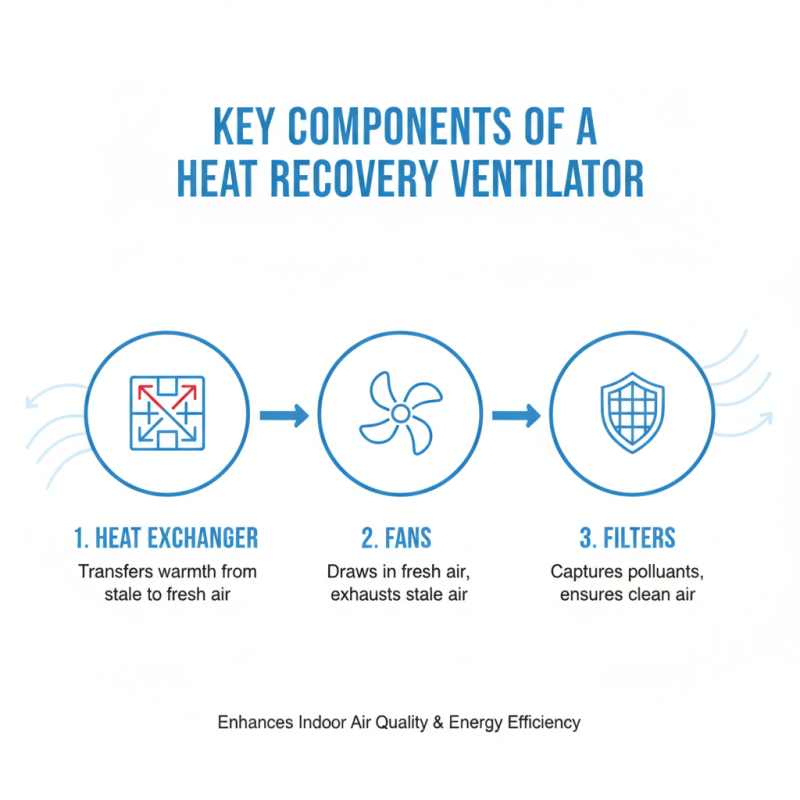
Heat Recovery Ventilators (HRVs) are remarkable systems designed to enhance indoor air quality and energy efficiency. At the heart of an HRV are three key components: the heat exchanger, the fans, and the filters. The heat exchanger transfers warmth from outgoing stale air to incoming fresh air, capturing heat that would otherwise be lost. This process is fundamental in temperate climates, where heating costs can be significant.
Fans play a crucial role in driving air through the system. They ensure a steady flow of air, balancing the intake and exhaust processes. High-quality fans can operate quietly, but not all fans offer optimal performance. Filters trap dust, pollen, and other particles, promoting cleaner indoor air. Yet, they require regular maintenance; neglected filters can lead to inefficiency and poor air quality.
Another aspect to consider is the control mechanisms. Many HRVs include sensors and controls to adjust airflow based on occupancy or air quality. However, users often overlook manual adjustments. A poorly calibrated system can lead to discomfort or wasted energy. It’s essential to regularly review and optimize settings for personal comfort and efficiency. Addressing these elements can significantly enhance the effectiveness of a heat recovery ventilator in any home.
How Heat Recovery Ventilators Work: The Process Explained
Heat Recovery Ventilators (HRVs) play a crucial role in modern ventilation systems. They work by exchanging stale indoor air with fresh outdoor air while recovering heat from the exhausted air. This process ensures that homes maintain a comfortable temperature without wasting energy. According to the U.S. Department of Energy, an HRV can recover between 60% to 80% of heat from the outgoing air.
The core mechanism involves two airflows within the unit. One airflow extracts indoor air, while the second brings in fresh outdoor air. The heat exchanger transfers warmth from the outgoing air to the incoming air, keeping your home cozy. This efficient design is particularly beneficial in colder climates. Filters in the HRV remove pollutants, ensuring you breathe clean air.
Here are some tips: Install HRVs in homes with limited passive ventilation. Monitor filter conditions regularly for optimal performance. If your HRV is properly sized, it can significantly reduce energy costs. Yet, it's essential to consider humidity levels; excessive moisture may lead to mold growth. Reflect on your home's specific needs to achieve the best balance between air quality and energy efficiency.
Benefits of Using a Heat Recovery Ventilator
A Heat Recovery Ventilator (HRV) offers several benefits for homes and workplaces. It enhances indoor air quality by exchanging stale air with fresh outdoor air. This process also retains energy, reducing heating or cooling costs. By using an HRV, you can maintain a comfortable environment without wasting energy.
These systems work by transferring heat from outgoing air to incoming air. This exchange occurs without mixing the two air streams, ensuring efficiency. During winter, warm indoor air warms the incoming cold air. In summer, the process works in reverse, cooling the incoming air. This simple yet effective mechanism can greatly improve comfort levels.
**Tips**: Ensure your HRV is properly sized for your space. A unit that’s too small won't efficiently ventilate. Regular maintenance is key. Clean or replace filters every few months. This practice not only improves air quality but also enhances the system’s lifespan. While HRVs can provide numerous benefits, they require proper installation and setup for optimal performance. An ill-installed system may lead to inadequate ventilation, diminishing their effectiveness.
Heat Recovery Ventilator Efficiency Ratings
This bar chart shows the heat recovery efficiency of different HRV models. As seen, Model C boasts the highest efficiency at 90%, showcasing the effectiveness of newer technology in energy recovery.
Common Applications and Considerations for Installation
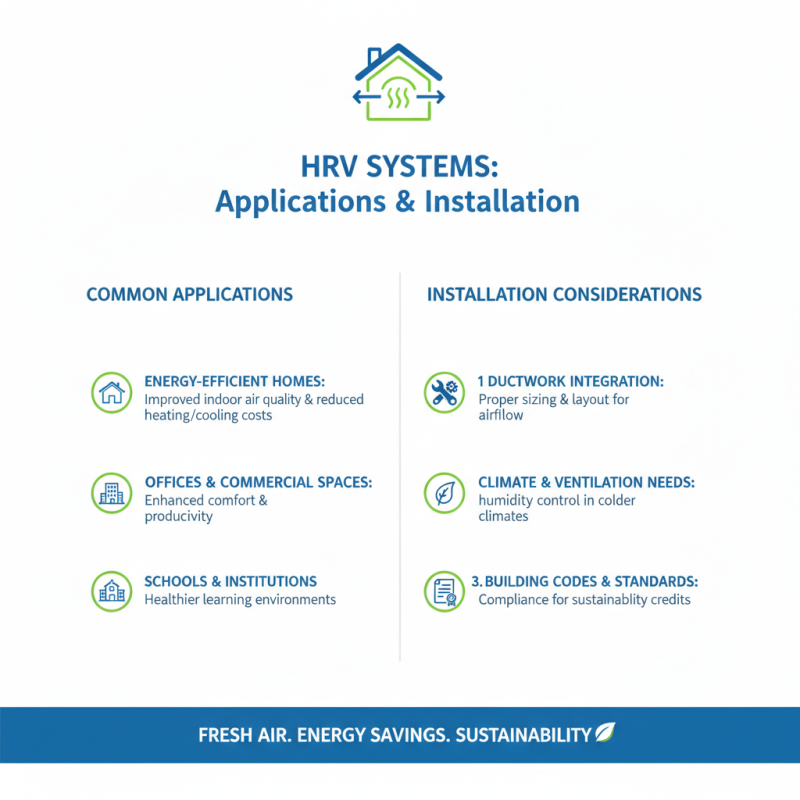
Heat recovery ventilators (HRVs) are increasingly popular in residential and commercial spaces. They provide fresh air while conserving energy by recovering heat from stale air. Common applications include energy-efficient homes, offices, and schools. Many organizations recommend HRVs in modern building designs due to various regulations promoting sustainability.
When considering installation, several factors come into play. Proper sizing is crucial for optimal performance. A study by the U.S. Department of Energy indicates that improperly sized systems can decrease energy savings by up to 30%. Integrating an HRV with existing HVAC systems can enhance comfort and air quality. However, compatibility is essential, as mismatched systems may lead to inadequate airflow.
Maintenance is another aspect often overlooked. Regular filter changes are necessary to ensure efficiency. The Canadian Home Builders' Association reports that neglecting maintenance can reduce HRV efficiency by 50%. Homeowners should be aware of signs such as decreased airflow or unusual noises, indicating a need for professional evaluation. Despite the benefits, awareness of potential challenges is vital for successful implementation.