How to Choose the Best Kitchen Fan for Your Cooking Needs?
Choosing the right kitchen fan can significantly improve your cooking experience. A good kitchen fan helps manage heat, smoke, and odors that arise while cooking. It creates a more comfortable atmosphere in your kitchen. Therefore, understanding your needs is crucial.
When selecting a kitchen fan, consider your cooking habits. Do you cook frequently or try out complex recipes? If so, a powerful kitchen fan might be necessary. Noise level is another factor to think about. Some fans can be quite loud, which may disrupt your cooking. An efficient and quiet kitchen fan can enhance your culinary enjoyment.
You might also want to look at the style and size of the fan. A fan should fit neatly in your kitchen space. Improper sizing can lead to airflow problems and diminished performance. Reflect on these details and ask yourself: does this kitchen fan truly meet my needs?
Understanding Different Types of Kitchen Fans and Their Functions
When it comes to kitchen fans, different types serve various functions. A ceiling fan can improve air circulation, making the room feel cooler. This is ideal for larger kitchens with high ceilings. Wall-mounted fans, on the other hand, save space and can be adjusted to direct airflow exactly where you need it. They work well in compact kitchens while still providing a breeze.
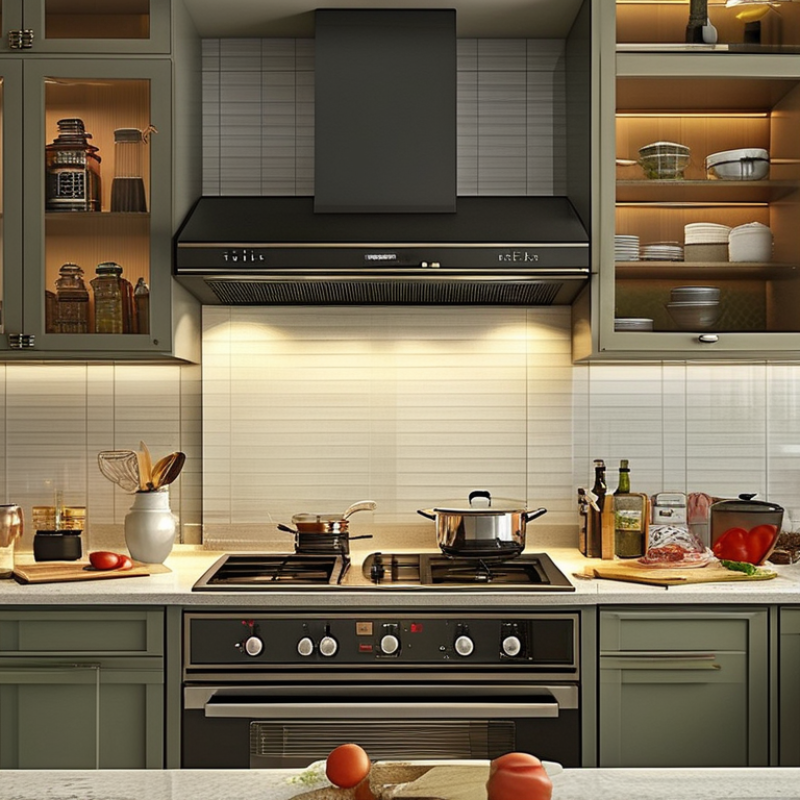
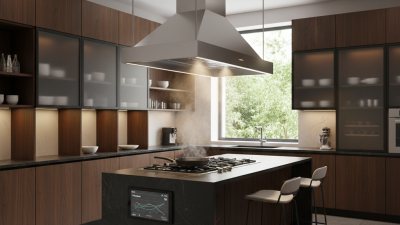
Range hoods are essential for removing smoke and odors. Choosing a model that fits your cooking style is crucial. Some hoods are designed for heavy-duty cooking, while others are suitable for simple tasks. It’s important to evaluate how often you cook and what types of meals you prepare. If you enjoy frying or grilling, you'll likely need a more powerful hood.
Portable fans offer flexibility but may require extra management. You might find them helpful when you're cooking in a hot environment. However, they can be less efficient than fixed installations. Consider your kitchen layout. The placement of the fan affects its efficiency. It's not just about aesthetics; it’s about functionality too. Balancing all these factors ensures you choose the best fan for your cooking needs.
Factors to Consider When Choosing a Kitchen Fan for Cooking
Choosing a kitchen fan requires careful consideration of several factors. The fan's airflow, measured in cubic feet per minute (CFM), is crucial. For effective ventilation, aim for at least 300 CFM for light cooking and over 600 CFM for heavy tasks. According to the Home Ventilating Institute, proper airflow can remove up to 99% of airborne grease and other contaminants, creating a healthier cooking environment.
Noise level is another important factor. Fans often produce sound levels measured in sones. A good kitchen fan should ideally operate below 3 sones, ensuring that cooking remains enjoyable rather than noisy. Many homeowners overlook this metric and end up with a fan that disrupts cooking activities. Additionally, consider the fan's installation type. Wall-mounted or ceiling-mounted options can differ significantly in effectiveness depending on your kitchen layout.
Lastly, energy efficiency impacts long-term costs. Look for fans with ENERGY STAR ratings. They typically use less energy while providing effective ventilation. Balancing performance, sound, and energy use is essential. Choosing the right kitchen fan can transform your cooking experience from merely functional to enjoyable. Remember, not all fans suit every cooking style. Evaluate your needs carefully before making a decision.
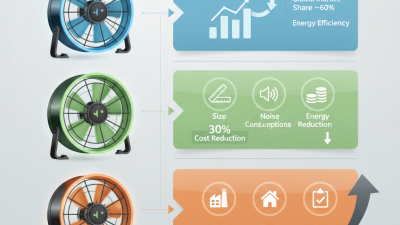
Kitchen Fan Performance Factors
Evaluating the Size and Power Requirements of Kitchen Fans
When choosing a kitchen fan, size and power are crucial factors. A fan that is too small will struggle to ventilate effectively, leaving your kitchen filled with smoke and odors. A fan that is too large may overpower the space, causing excessive noise and potentially wasting energy. Understanding the dimensions of your kitchen is vital. Measure your cooking area, including height, width, and depth, to ensure a proper fit.
Power requirements should also be assessed. Kitchen fans typically come with varying power levels, measured in cubic feet per minute (CFM). Consider the cooking style you frequently employ. If you cook with high heat or frequently cook dishes that produce strong odors, opt for a fan with higher CFM. However, a fan with lower CFM may suffice for lighter cooking tasks, aiming for quieter operation. It's important to find a balance that suits your needs.
Installation can also present challenges. Ceiling heights and ducting requirements can complicate setup. An improperly installed fan might not perform well, leading to dissatisfaction. Looking for professional advice may help in navigating these obstacles. Ensuring that your fan meets both size and power needs will significantly enhance your cooking experience.
Assessing Noise Levels and Efficiency Ratings in Kitchen Fans
When it comes to kitchen fans, noise levels and efficiency ratings are crucial. Many consumers overlook sound, but studies show that noise levels significantly affect cooking comfort. A fan operating at 60 decibels is comparable to normal conversation. However, a quieter model at around 40 decibels can enhance your cooking experience. The right fan should allow you to focus on your task without distractions.
Efficiency ratings are equally important. Energy-efficient fans can reduce electricity costs by up to 30%. According to the Department of Energy, a high-efficiency fan also moves more air while consuming less power. When considering a kitchen fan, look for the Energy Star label. This indicates that the fan meets strict energy efficiency criteria. Fans are often rated by CFM (cubic feet per minute) to measure airflow. Aim for a fan with a CFM that matches your kitchen size for optimal air circulation.
It's essential to balance noise and efficiency. Some powerful fans can be quite loud, which might disrupt your cooking environment. Reflecting on user reviews can provide insights into real-life performance. Not all fans perform as expected, so understanding your cooking habits can help in making an informed choice. Consider all factors, including maintenance and installation requirements, to find the best fit for your kitchen.
Installation and Maintenance Tips for Optimal Kitchen Fan Performance
When selecting a kitchen fan, installation and maintenance are crucial for optimal performance. According to the Home Ventilating Institute, proper installation can enhance air circulation by up to 40%. Position the fan at an ideal height, generally between 24 to 30 inches above the cooking surface. This height maximizes efficiency and ensures effective removal of smoke and odors.
Maintenance is equally important. A study by the National Kitchen and Bath Association reveals that fans not cleaned regularly lose 30% of their efficiency. It is advisable to clean the fan blades monthly and replace filters every three to six months. Ensure that grease and dust do not accumulate. Neglecting these tasks can lead to reduced airflow and potential fire hazards.
Periodic professional inspections can help maintain your fan's performance. Experts suggest a check-up every two years. This helps identify wear and tear, ensuring longevity. Even small issues, if overlooked, can lead to larger problems. Prioritize these aspects, as they contribute significantly to your kitchen environment and cooking experience.