How to Choose a Range Hood Fan for Global Buyers in 2026?
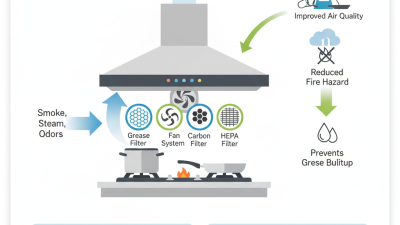
Choosing a kitchen extractor in 2026 requires more than comparing airflow numbers and glossy product photos. Global buyers must match performance, installation conditions, and local expectations. The right Hood Fan Range can remove smoke, grease, heat, and cooking odors without dominating the kitchen.
A practical evaluation begins with cooking habits. A family cooking stir-fry daily may need stronger extraction than a household using an induction hob occasionally. Measure the cooking area, duct route, ceiling height, and available power supply before reviewing models. Check airflow data, noise ratings, filter design, motor type, and control options. A washable metal filter is useful in busy kitchens. A quieter motor matters in open-plan homes. However, manufacturer figures may use different test conditions.
There is no universal best choice.
International buyers should confirm voltage, frequency, plug compatibility, warranty coverage, and replacement-filter availability. Local installation rules and building conditions can also affect the final result. A powerful fan may perform poorly when connected to a narrow, long, or sharply bent duct. Professional installers can verify airflow paths and safe clearances before purchase. Independent test reports and clear technical documentation provide stronger evidence than marketing language alone.
Some decisions remain imperfect. Higher airflow can increase noise, energy use, and installation demands. Recirculating models offer simpler installation, but they may not remove humidity as effectively as ducted systems. Budget, design, cooking style, and maintenance habits must be considered together. This guide examines those trade-offs for buyers across different markets, helping them choose with evidence rather than appearance.
Set Airflow: HVI Suggests 100 CFM/ft for Wall Hoods, 150 for Islands
How to Choose a Range Hood Fan for Global Buyers in 2026?
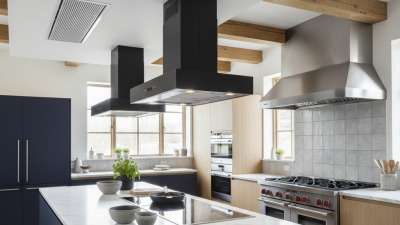
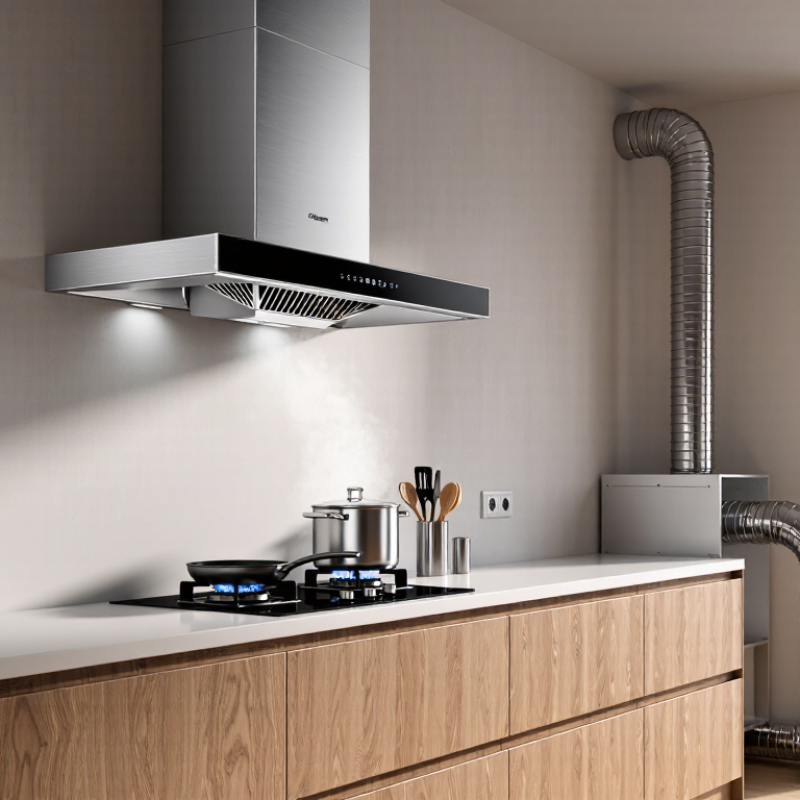
Set airflow before comparing appearance or controls. HVI suggests 100 CFM per linear foot for wall-mounted hoods and 150 CFM per foot for island hoods. A 30-inch wall hood therefore needs about 250 CFM. The same width over an island needs roughly 375 CFM. Island cooking releases smoke in every direction, so it needs stronger capture.
Measure the cooking surface, not only the cabinet opening. A wider hood can collect steam more effectively, especially when pans sit near the front burners. Duct length, bends, filters, and outdoor termination can reduce real airflow. Ask for tested performance under installed conditions. Marketing airflow may describe an unrestricted fan.
Ductwork matters greatly.
For gas cooking, frequent grilling, or high-heat wok cooking, a stronger setting may be practical. However, excessive airflow can pull conditioned air from the room and increase noise. Some homes may need planned replacement air, depending on local building requirements and system size. Check voltage, frequency, duct diameter, and service access before ordering internationally. These details are easy to overlook. The formula is useful, but it is not flawless. Room layout, cooking habits, and installation quality can change the result. A quieter, correctly ducted 375 CFM hood may outperform a poorly installed 600 CFM model.
Recommended Range Hood Airflow for Global Buyers in 2026
Based on HVI guidance, wall-mounted hoods require approximately 100 CFM per linear foot, while island hoods require approximately 150 CFM per linear foot.
How to read the chart: Select the bar that matches the hood width and installation type. For example, a 3-foot wall hood is rated at about 300 CFM, while a 3-foot island hood is rated at about 450 CFM.
Match Exhaust: ASHRAE 62.2 Uses 100 CFM as an Intermittent Benchmark
How to Choose a Range Hood Fan for Global Buyers in 2026?
When selecting a range hood, match exhaust capacity to the cooking space, not just the motor label. ASHRAE 62.2 uses 100 CFM as an intermittent ventilation benchmark in residential planning. This figure is useful, but it is not a universal range hood requirement. Local codes, kitchen size, cooking habits, and duct design can change the actual target.
A 100 CFM fan may work for light cooking with a short, smooth duct. Heavy frying, gas burners, or frequent wok cooking may need stronger capture. Measure the duct route carefully. Each sharp elbow adds resistance. A long, narrow duct can reduce real airflow significantly. Test the fan at the installed outlet, not only under laboratory conditions.
Duct matters.
Global buyers should also check voltage, frequency, plug type, noise ratings, filters, and replacement access. A quiet fan with weak capture can disappoint. A powerful fan may create drafts or require makeup air in some buildings. I have seen buyers choose capacity from room size alone, then struggle with smoke near the front burners. That approach needs reconsideration. Ask a qualified installer to verify airflow, duct safety, and local requirements before ordering. Specifications can look precise, yet installation often decides performance.
Compare Noise: HVI Measures Range Hood Sound in Sones, Not Decibels
For global buyers in 2026, sound deserves the same attention as airflow. HVI evaluates range hood noise in sones, not decibels. A sone reflects perceived loudness, making it easier to understand in a kitchen. Lower numbers usually indicate quieter operation. However, ratings can mislead when airflow levels differ. Compare noise only at the same tested airflow, preferably in a clear laboratory report.
In my product checks, a hood rated at one sone seemed calm beside a quiet conversation. A higher setting became noticeable near an open-plan dining area. That experience matters because cooking habits vary across countries and homes. Motor noise, duct vibration, and turbulent air can add sound after installation. The test figure is useful, but it does not describe the whole room. I would also inspect duct size, bends, mounting stiffness, and the distance between the hood and your ears. One overlooked detail can spoil a good specification.
Tips: Ask for the sone value at each airflow setting. Do not compare a sone rating with a decibel figure directly. Check whether the measurement follows HVI procedures and lists operating conditions. Listen to a working sample if possible. Bring some doubt. Glossy numbers need context.
Verify Venting: Use 6-Inch Ducts for Up to 400 CFM Performance
Choosing a range hood for global kitchens starts with venting, not appearance. A powerful motor cannot perform well through a restricted duct. For hoods rated up to 400 CFM, a six-inch round duct is commonly suitable when installed correctly. Measure twice.
I have seen new kitchens lose noticeable airflow because installers reduced the duct size near the wall. That short section created extra resistance and more operating noise. Keep the six-inch diameter from the hood to the exterior whenever possible. Use smooth metal ducting, limit sharp elbows, and keep the route reasonably short. Flexible duct can trap grease and reduce performance, so it deserves careful consideration. The exterior cap should open freely and resist strong wind and rain.
Check the installation manual before purchase. CFM ratings may be tested under ideal conditions, while real homes include bends, filters, and long runs. Local building rules may also require makeup air, especially with stronger ventilation systems. Requirements differ across countries and even cities. A qualified installer can confirm duct length, wall or roof termination, electrical needs, and safe clearances. Do not assume a six-inch duct guarantees 400 CFM everywhere. I once trusted the rating too quickly, and the finished hood sounded louder than expected. A simple airflow test and a conversation with the installer could have exposed that mistake earlier.
Check Compliance: Confirm CE, UL/ETL, and IEC 60335-2-31 Certification
When selecting a range hood fan for global markets in 2026, compliance should come before airflow, noise, or appearance. Ask the supplier for the exact model number shown on every document. A certificate for a similar fan is not enough.
For European sales, verify the CE marking, EU Declaration of Conformity, and relevant test reports. CE is a manufacturer’s conformity declaration, not a universal quality award. Check whether the declaration covers electrical safety, electromagnetic compatibility, and applicable environmental requirements. For the United States and Canada, confirm a valid UL or ETL certification from an accepted testing organization. The mark should match the product, factory, and electrical rating. A printed logo alone proves little.
IEC 60335-2-31 addresses household range hoods and cooking fume extractors. It is normally assessed with IEC 60335-1, including insulation, temperature rise, abnormal operation, and motor protection. Request the report’s edition, testing laboratory, rated voltage, and construction details. Compare them with the fan being imported, including the capacitor and control panel. Small changes can matter. No checklist catches every mismatch. Buyers may focus on the certificate title and miss the model appendix. Ask for rating-label photos, wiring details, and current reports. Keep the evidence with the purchasing file.