Leave Your Message

China Top Treated Fresh Air System Suppliers?

Choosing among China’s top Treated Fresh Air system suppliers takes more than comparing catalog prices. The right partner should understand the building, local climate, occupancy, and ventilation needs. A quiet unit in a hotel corridor may suit one project, while a school needs dependable airflow across crowded classrooms. Details matter.

This guide examines how buyers can assess suppliers through practical criteria: product range, filtration options, heat recovery, controls, testing records, and after-sales support. Ask for clear performance data, not only attractive brochures. Check whether stated airflow and noise levels match the intended installation. A sample unit or factory inspection can reveal details that a product sheet misses, such as panel finish and access for filter changes.

There is no universal winner. A supplier with extensive exports may not be the best fit for a small, customized project. Likewise, a low quotation can leave important installation or service costs unclear. These comparisons are imperfect, and supplier claims deserve careful verification. Still, a structured review helps narrow the field. The aim is to identify manufacturers that communicate clearly, document performance, and support their systems after delivery. Good questions make a better shortlist.
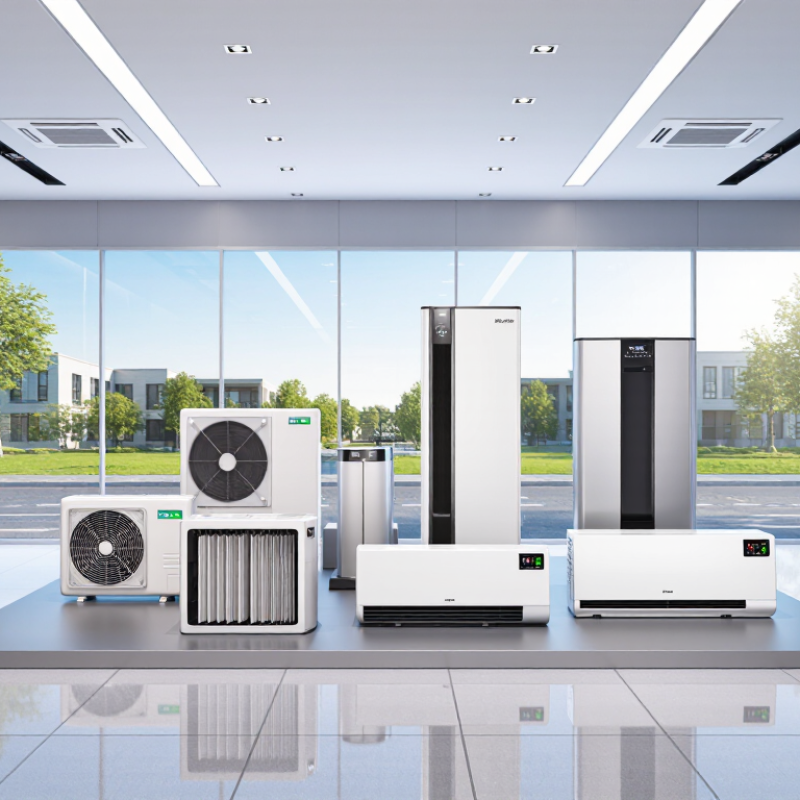
China Top Treated Fresh Air System Suppliers?

How Treated Fresh Air Systems Work

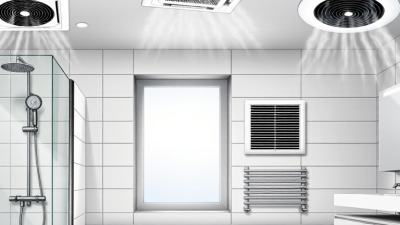
A treated fresh air system brings outdoor air into a building and removes stale indoor air. It draws air through an intake, where filters capture particles such as dust and pollen. The clean air may then pass through a heat exchanger. In colder weather, this component can transfer warmth from outgoing air to incoming air without mixing the two streams. That matters. Depending on the design, additional coils can heat or cool the supply air, while humidity controls may be included in some systems.

The treated air travels through ducts to occupied rooms, while extract vents carry used air outdoors. Balanced airflow helps reduce stuffiness, but poor installation or blocked filters can undermine performance. A specification sheet can still leave gaps. For buyers comparing suppliers in China, ask for airflow data at stated pressure, filter details, noise figures, and clear maintenance instructions. Check how the unit handles seasonal conditions and whether replacement filters are readily available. Commissioning also matters: technicians should measure airflow at room vents, not just confirm that the fan runs. A quiet system may feel efficient, yet uneven delivery can leave one bedroom stale.
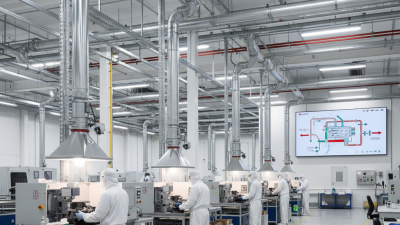
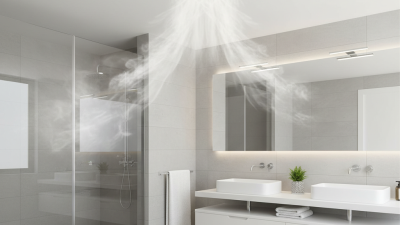
Key Technologies Used in Fresh Air Treatment

China Top Treated Fresh Air System Suppliers?

Key Technologies Used in Fresh Air Treatment

Fresh-air treatment starts with controlling what enters a building. A coarse filter catches larger particles, while a finer filter can reduce dust and pollen. The right grade depends on local air conditions and the system’s airflow capacity. A filter that is too restrictive may reduce ventilation if the fan is not designed for it. That trade-off matters.

Heat recovery is another key technology. In winter, a heat exchanger can transfer warmth from outgoing air to incoming air without mixing the two airstreams. Some systems also manage humidity, helping reduce dry indoor air or excess moisture. Sensors can track temperature, humidity, and carbon dioxide, then adjust fan speed as occupancy changes. Small details matter. Poor sensor placement can produce readings that do not reflect the room. For buyers comparing suppliers, ask for measured airflow, filter specifications, and performance data under stated test conditions. Catalog figures alone rarely show how a system behaves in a real installation. A quiet unit is useful, but maintenance access matters too. Filters still need regular replacement.

Key Particle-Filtration Technologies in Fresh Air Treatment

Fine-particle filters classified under ISO 16890 are labeled by their ePM1 efficiency, while EN 1822 H13 HEPA filters are rated at the most penetrating particle size (MPPS). These figures use different test methods, so they are benchmarks—not a direct product-to-product comparison. Actual fresh-air system performance also depends on filter selection, installation, and maintenance.

Standards referenced: ISO 16890 and EN 1822.

China’s Treated Fresh Air System Supplier Landscape

China’s treated fresh air system supplier landscape is diverse, with manufacturers serving homes, offices, schools, and industrial sites. Their systems may combine outdoor-air intake, filtration, heat recovery, and humidity control, but configurations differ. Some suppliers specialize in compact units for apartments. Others build larger systems for projects with specific airflow and filtration needs.

Details matter. Buyers can compare rated airflow, filter grades, noise levels, energy use, and access for filter replacement. Ask how performance was tested and whether the supplier can provide clear technical documents. A quiet showroom unit may sound different after installation, when ducts and room layout affect noise. That point is easy to overlook.

Supplier evaluation should also cover production capacity, quality checks, spare-part availability, and technical support after delivery. Request sample inspection records or a factory audit when practical. A short video call can help, but it cannot replace independent checks. There is no perfect shortlist, and a polished brochure can still leave basic questions unanswered. For export projects, confirm that the offered specifications match the destination market’s requirements rather than relying on general claims. A lower quotation may omit installation details, controls, or replacement filters, so compare the full scope before deciding.

Major Supplier Capabilities and Product Categories

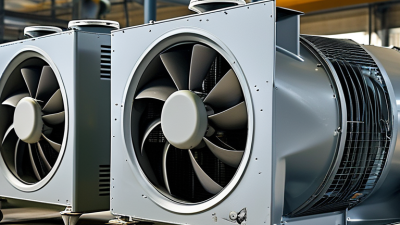
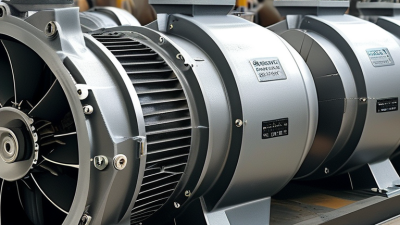
Supplier capability in China’s treated fresh-air market is broader than a catalog. Compare system design, testing, and after-sales support alongside product range. Major categories include heat- or energy-recovery ventilators, filtration units, dehumidification modules, and integrated fresh-air systems with temperature and humidity control. Ask suppliers for airflow data at stated pressure, filter grades, noise levels, and recovery efficiency under defined test conditions. A showroom unit can look quiet; duct resistance may change that. Small details matter.

Installation and service capability deserve equal attention. Check whether filter access, condensate drainage, sensor calibration, and control integration are documented. The World Health Organization’s 2021 air-quality guidelines set an annual PM2.5 level of 5 µg/m³ and a 24-hour level of 15 µg/m³. These are health-based guidelines, not a guarantee that any packaged system will achieve them. The United Nations Environment Programme’s 2023 Global Status Report says buildings represented 34% of global energy demand in 2022. That makes heat recovery and measured operating efficiency relevant, not decorative features. Still, brochure figures are imperfect evidence. Request test reports, commissioning records, and references from projects with similar climate and occupancy.

How to Evaluate and Select a Chinese Supplier

When evaluating Chinese fresh air system suppliers, begin with the project’s actual requirements. Record room area, occupancy, target airflow, available duct space, and expected operating hours. Ask each supplier for a model-specific selection sheet, not just a general catalog. It should show airflow, external static pressure, power use, filter grades, heat recovery performance, and sound levels. A polished brochure is not proof. Request test reports and check that the tested configuration matches the unit being quoted. Small details matter.

Assess how the supplier handles production and support. Ask whether you can review assembly checks, component records, and inspection procedures, either remotely or during a factory visit. Clarify what is included in the quotation: controls, filters, spare parts, packaging, and commissioning guidance. Ask for references from projects with similar climate and building conditions. For a pilot order, agree on acceptance criteria before production, such as airflow readings and noise checks at stated operating settings. One sample can look convincing; it cannot prove consistent output. I would also check response times on technical questions. A slow, vague reply before an order may become a real problem later. Allow time for corrections, because specifications can still be incomplete.

China Top Treated Fresh Air System Suppliers? - How to Evaluate and Select a Chinese Supplier

Use this buyer’s evaluation matrix to compare suppliers on verifiable evidence rather than an unverified ranking. The weights are suggested scoring allocations, not published market statistics. Set project-specific performance requirements before requesting quotations.

Evaluation Dimension What to Check Evidence to Request Evaluation Guidance Suggested Weight
Airflow and external static pressure Confirm the unit can deliver the specified airflow at the system’s required external static pressure. Fan performance curves, product data sheets, and a test report identifying the tested configuration. Compare airflow and pressure at the same operating point; do not compare maximum airflow figures alone. 15%
Filtration performance Check the stated filter classification, particle-size performance, initial pressure drop, and filter replacement requirements. Filter test reports and classification details. ISO 16890 classifies general ventilation filters using ePM fractions; EN 1822 specifies high-efficiency particulate air (HEPA) filter classes. Match the filter class to the project specification. If an EN 1822 H13 filter is specified, verify the report and the stated integral efficiency at the most penetrating particle size (MPPS); the H13 integral efficiency requirement is at least 99.95%. 15%
Heat or energy recovery For units with heat recovery, verify the recovery method, rated conditions, pressure drop, bypass arrangement, and frost-control strategy. Performance data and test documentation stating the test method, airflow, and operating conditions. EN 308 is a test method for heat exchangers used in building ventilation. Compare results only when test conditions and definitions are comparable. Confirm whether figures refer to temperature efficiency, enthalpy recovery, or another stated metric. 12%
Acoustics Assess sound output at the required airflow and pressure, including fan, casing, and any specified attenuators. Sound data identifying the measurement method, test setup, operating point, and whether values are sound pressure or sound power. Compare like-for-like measurements and check that the declared operating point matches the project duty point. 10%
Controls and system integration Check available control functions, alarms, sensor inputs, operating schedules, and compatibility with the project’s building-management system. Control sequence, wiring diagrams, interface documentation, and confirmation of supported protocols such as Modbus or BACnet where required. Confirm protocol version, points list, and responsibility for configuration and commissioning before ordering. 12%
Product compliance and documentation Identify applicable requirements for the destination market and the exact model and configuration being offered. Declarations, certificates, test reports, manuals, and labels that can be checked against the quoted model. For China-market projects, confirm whether CCC requirements apply to the specific product category. Check validity, scope, issuing body, and model coverage. Do not assume one certificate applies to every unit or export destination. 10%
Manufacturing quality and traceability Review production controls, incoming inspection, final testing, serial-number traceability, and corrective-action processes. Quality-system documentation, sample inspection records, factory audit findings, and completed production test records. ISO 9001 certification, if provided, concerns a quality management system and is not a product-performance certificate. Verify the certificate’s scope and issuing body, and assess actual production controls separately from certification. 8%
Configuration and customization control Check whether the supplier can document changes to casing, coils, filters, controls, electrical supply, or connection arrangements. Approved drawings, bill of materials, revision records, and a written list of deviations from the specification. Require written approval for deviations and ensure the final performance documents match the delivered configuration. 8%
Warranty and after-sales support Review warranty duration, exclusions, response process, spare-parts availability, and technical support arrangements. Written warranty terms, service contact process, recommended spare-parts list, and stated parts lead times. Compare contractual coverage and support commitments; distinguish warranty terms from optional service arrangements. 5%
Commercial and delivery reliability Compare the full quotation, payment terms, production lead time, packaging, shipping terms, and delivery responsibilities. Itemized quotation, confirmed production schedule, packaging details, and clearly stated Incoterms® rule and named place. Evaluate total delivered cost and schedule risk, not unit price alone. Confirm that quotations cover the same scope and options. 5%
Total suggested evaluation weight 100%