What is an Industrial Fan and How Does It Work?
Industrial Fans are crucial components in various industries. They play a vital role in ventilation and cooling systems. According to a report by MarketsandMarkets, the global industrial fan market is projected to reach $5.86 billion by 2025. This growth reflects the increasing demand for energy-efficient solutions in industrial settings.
Expert Lee Thompson, a well-known figure in the industrial ventilation field, emphasizes the importance of these devices. He notes, "Industrial Fans are not just about airflow; they enhance productivity and safety in the workspace." This showcases the multifaceted role these fans play in industry.
Despite their importance, many businesses overlook the efficiency of their existing fans. Maintaining and upgrading older models can lead to energy savings and improved airflow. Recognizing the significance of Industrial Fans and prioritizing their optimization can lead to operational advancements.
Definition and Purpose of an Industrial Fan
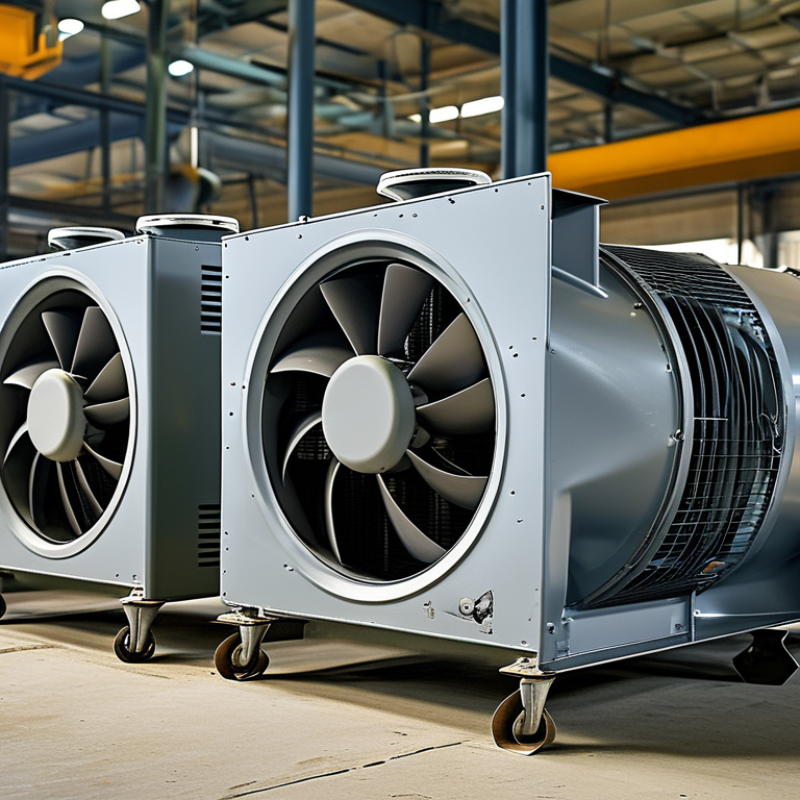
Industrial fans serve a vital role in various sectors, providing essential air circulation and ventilation. Their primary purpose is to enhance airflow in large spaces, such as factories and warehouses. According to the U.S. Department of Energy, proper ventilation can increase energy efficiency by 15-20%. This highlights the importance of effective fans in maintaining optimal environmental conditions.
These fans work by moving air through different mechanisms. Centrifugal fans use high speed to force air outward, while axial fans utilize blades to draw air in line with the fan's axis. Each type has specific applications. For instance, centrifugal fans are preferable in dust-laden environments, while axial fans excel in cooling processes. However, selecting the appropriate fan type can be challenging and may require expert guidance.
Despite advancements, limitations exist with industrial fans. Noise generation is a common issue, affecting operational environments. A study showed that noise levels in certain factories could reach 90 dB, posing health risks. Regular maintenance is crucial, yet many facilities overlook it. Ensuring the right fan for each application is imperative for efficiency and safety.
Industrial Fan Airflow by Type
This chart illustrates the airflow capacity measured in Cubic Feet per Minute (CFM) for different types of industrial fans, highlighting their effectiveness in various industrial applications.
Types of Industrial Fans and Their Applications
Industrial fans play a crucial role in various processes across different sectors. These fans are categorized into several types, each designed to meet specific airflow and pressure needs.
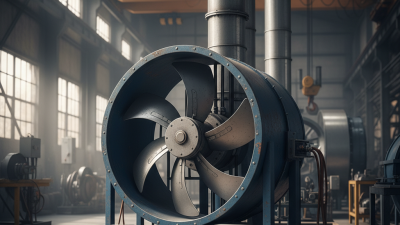
Axial fans, for example, excel in moving large volumes of air at low pressure, making them ideal for ventilation in warehouses or factories.
According to industry reports, axial fans can improve air circulation by up to 80%.
Centrifugal fans are another major type. They generate higher pressure, making them suitable for applications like dust collection and fume extraction.
Research indicates that centrifugal fans can achieve pressure increases of 50% or more compared to their axial counterparts. This efficiency is essential in sectors where air quality control is vital.
Another type is the blower fan, often used in cooling and drying applications. These fans are essential in industries such as food processing and chemical manufacturing.
A study highlighted that blower fans can reduce operational costs by enhancing energy efficiency by as much as 15% when used properly.
Understanding these various types and their applications is critical, as choosing the right fan can significantly impact overall operational effectiveness.
Working Principles of Industrial Fans
Industrial fans play a crucial role in various applications, providing effective ventilation, cooling, and air circulation. Their operation is grounded in fundamental aerodynamic principles. The basic design often includes blades, a motor, and a housing. When the motor spins the blades, they create a difference in air pressure. This results in airflow that moves from areas of high pressure to low pressure, ensuring efficient air movement.
The efficiency of an industrial fan largely depends on its blade design and angle. Curved blades can improve airflow and reduce noise, while straight blades might be used for specific heavy-duty applications. The motor's speed can also be adjusted to control airflow. However, it’s important to optimize fan settings based on the specific environment. Oversizing a fan or running it at reduced capacity can lead to energy wastage.
Regular maintenance is essential for industrial fans to operate reliably. Dust accumulation on blades can decrease efficiency. Inadequate airflow can indicate issues that may require inspection or repair. Observing and adjusting fan operations can lead to better performance and longevity. Understanding these aspects helps ensure fans work optimally in various industrial settings.
What is an Industrial Fan and How Does It Work? - Working Principles of Industrial Fans
| Type of Fan |
Common Applications |
Working Principle |
Key Features |
| Axial Fan |
Cooling, Ventilation |
Moves air parallel to the fan axis |
High airflow, low pressure |
| Centrifugal Fan |
Dust collection, HVAC |
Accelerates air at the fan impeller, changes direction via a volute |
Higher pressure capacity, efficient at moving air against resistance |
| Blower |
Air supply, combustion air |
Increases air pressure, moves air at a constant rate |
Generates high pressure with moderate airflow |
| Exhaust Fan |
Odor removal, humidity control |
Expels air from a space, creating negative pressure |
Improves indoor air quality, removes contaminants |
Key Components of Industrial Fans
Industrial fans are crucial in various settings, providing ventilation, cooling, and air circulation. Understanding their key components will enhance their efficiency and longevity. The main parts include the motor, impeller, housing, and drive system.
The motor powers the fan. It determines the speed and energy consumption. A robust motor ensures consistent performance under heavy loads. The impeller is responsible for moving air. Its design affects airflow and pressure. For optimal function, manufacturers often experiment with different blade shapes and sizes.
Housing contains and protects these components. Properly designed housing reduces noise and enhances airflow. The drive system connects the motor to the impeller. It's vital for translating power into movement. Regular maintenance can prevent wear and tear. Inspecting these components periodically is essential for reliable operation.
Maintenance and Efficiency Considerations for Industrial Fans
Industrial fans are essential components in many manufacturing settings. Their efficiency heavily relies on proper maintenance. Neglecting maintenance can lead to reduced performance and increased energy consumption. Regularly checking the fan blades for dust and debris can improve airflow and efficiency.
Lubrication is another crucial aspect. Bearings and motors require regular lubrication to function optimally. Without this, wear can accelerate, leading to costly repairs. Additionally, vibration analysis can help identify potential issues before they escalate. Monitoring changes in sound or vibration patterns can prevent unexpected downtime.
Ultimately, understanding operational requirements is vital. Factors like humidity and temperature can affect fan selection and performance. Regular assessments will not only enhance efficiency but also extend the lifespan of the equipment. Inefficient fans can unnecessarily inflate energy costs. Regular attention ensures your system runs smoothly.