Leave Your Message

China Top 10 Range Exhaust Hood Manufacturers

Choosing a Range Exhaust Hood manufacturer in China requires more than comparing prices or polished product photos. Buyers should examine production capability, engineering support, quality controls, and experience serving export markets. A reliable supplier can explain airflow ratings, noise levels, filter design, installation dimensions, and available certifications. Clear answers matter.

This guide introduces ten manufacturers for buyers exploring China’s kitchen ventilation market. The companies may differ in product focus, factory scale, customization options, and sales support. Some concentrate on residential models with slim profiles and simple controls. Others offer commercial-grade systems, stainless-steel finishes, or broader appliance portfolios. These distinctions can help importers, distributors, and project teams build a practical shortlist.

Details matter here. Ask for current specifications, test documentation, sample availability, lead times, and warranty terms. Check whether quoted performance figures apply to the exact model, not merely a product family. A quiet hood in a showroom may sound different after installation, especially with long ductwork. That deserves attention.

This ranking should be treated as a starting point, not a final purchasing decision. Manufacturer information can change, and suitability depends on local requirements, kitchen layout, and service expectations. No list can replace direct verification. A careful buyer will compare evidence, request written answers, and assess communication before placing an order. Some details may remain unclear at first. That is a reason to ask better questions, not to assume every supplier is the same.
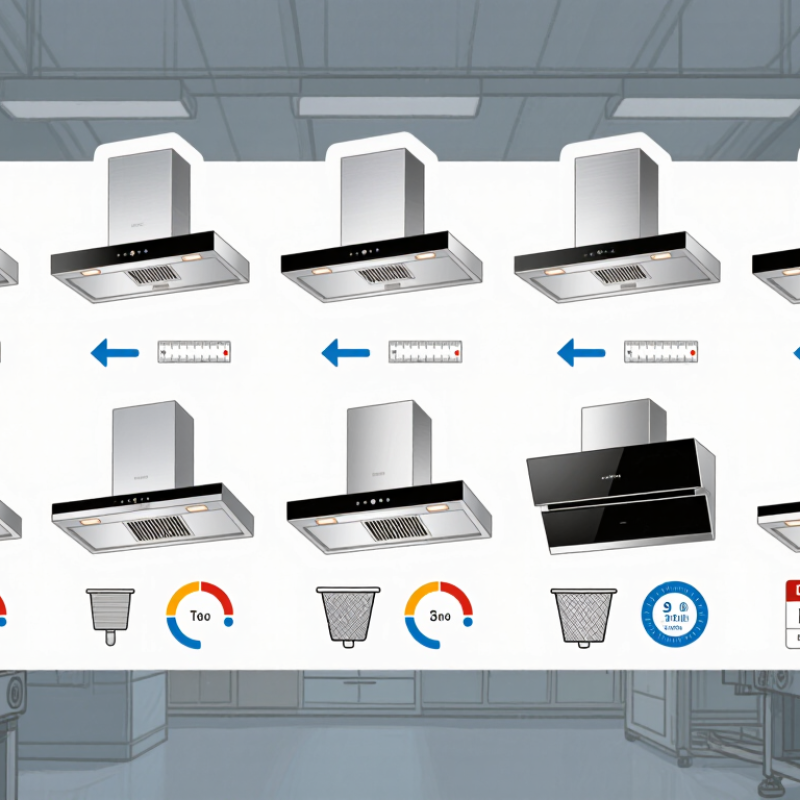
China Top 10 Range Exhaust Hood Manufacturers

Overview of Range Exhaust Hoods and Their Main Functions

Range Exhaust Hoods: Overview and Main Functions

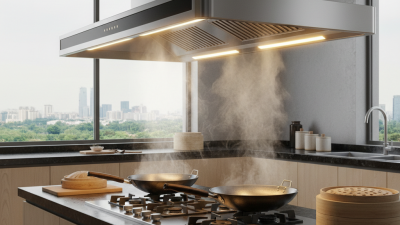
A range exhaust hood captures smoke, grease, steam, and cooking odors near the stovetop. Its canopy draws rising air through filters before moving it away. With a ducted system, air travels outdoors through a vent. A recirculating model filters some odors and returns air to the kitchen, but it does not remove heat or moisture as effectively. Not the same job.

Grease filters trap airborne particles before they settle on cabinets and nearby walls. Most metal filters need periodic washing; neglected ones can collect residue and restrict airflow. Some systems also use charcoal filters to reduce odors, which require replacement. A hood’s performance depends on more than motor strength. Canopy width, mounting height, duct layout, and the cooking surface all matter. A narrow canopy may miss smoke from a large pan, even when the fan sounds powerful.

Noise and lighting affect everyday use, too. A loud fan may discourage people from turning it on, while a focused lamp makes it easier to watch food without lighting the whole room. In a real kitchen, installation details can be less tidy than a product diagram suggests: a long or sharply bent duct may weaken airflow. Regular filter checks help, though they cannot fix a poor duct route.
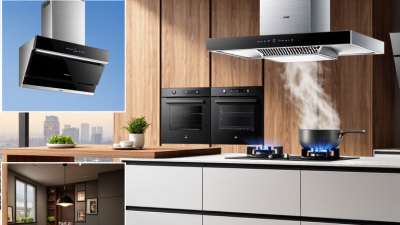
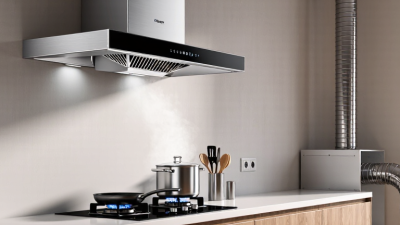
China Top 10 Range Exhaust Hood Manufacturers — Product Overview

Common residential range hood widths (inches)

Residential range hoods are commonly offered in nominal widths from 24 to 48 inches. Select a hood at least as wide as the cooking surface; a wider hood can help capture rising smoke and cooking vapors.

China’s Range Hood Manufacturing Industry

China’s range hood manufacturing industry is built around dense supplier networks, established metalworking capacity, and a large domestic kitchen market. In production districts, stainless steel can move from cutting and bending to welding, polishing, and assembly within a compact supply chain. That proximity helps factories adjust dimensions and finishes for different housing layouts. Details matter.

Range hoods combine visible styling with airflow, noise control, grease capture, and safe electrical operation. Manufacturers coordinate motors, fans, filters, lighting, and control panels, then test assembled units for suction performance and vibration. A quiet showroom sample may behave differently in a narrow duct or a busy kitchen. Buyers should compare test conditions, not just headline airflow figures.

The sector serves domestic demand and overseas customers, with products ranging from basic wall-mounted units to integrated designs. Export readiness depends on consistent documentation, packaging, quality checks, and clear communication about materials and specifications. Factory size alone proves little. Audits, sample evaluation, and repeat-order records provide more useful evidence. Even careful sourcing has limits: supplier claims need independent verification, and small changes between batches can affect fit, noise, or finish.

Criteria for Evaluating Range Hood Manufacturers

When comparing China’s top 10 range exhaust hood manufacturers, use measurable criteria rather than catalog photos. Check airflow and noise data, and ask how each figure was tested. A hood rated for strong extraction may perform differently after installation with a long, narrow duct. Request drawings, duct-size guidance, and test reports for the exact model. Inspect the filter design, oil cup, control panel, and housing finish. Small details matter: a removable filter should come out without awkward tools.

Tips: Ask for a sample unit or a live production check. Compare warranty terms, spare-part availability, and response times in writing. Keep questions specific.

Also review factory quality controls, including incoming material checks and final functional testing. Clarify the motor type, electrical requirements, packaging, and customization limits before discussing price. Confirm relevant product certifications for your target market, and verify documents independently when possible. A video call can show assembly lines, but it cannot replace a full audit. That distinction is easy to miss. No checklist removes every risk, and a polished sample may not represent every production batch. Look for consistent records and clear answers, not promises alone.

China Top 10 Range Exhaust Hood Manufacturers - Criteria for Evaluating Range Hood Manufacturers

Evaluation Dimension Suggested Weight What to Evaluate Evidence to Request or Verify
Product performance 20% Airflow, capture effectiveness, and performance under stated operating conditions. Model-specific airflow and pressure data; test method and operating conditions; product specifications.
Safety and compliance 15% Electrical and product-safety conformity for the intended destination market. Current certificates or declarations covering the exact model, applicable market, and relevant test standard.
Build quality and materials 12% Construction consistency, finish, component durability, and resistance to corrosion in the intended installation environment. Material and component specifications, inspection records, sample evaluation, and documented durability tests.
Noise and usability 10% Sound level at specified fan settings, control clarity, lighting, and ease of everyday operation. Noise ratings with test conditions stated; operating demonstration; control and lighting specifications.
Quality management 10% Documented production controls, inspection processes, traceability, and corrective-action procedures. Quality-management system documentation, audit records, inspection plans, and applicable certificate scope.
Customization and engineering 8% Ability to adapt dimensions, controls, finishes, voltage, packaging, or documentation to defined project requirements. Approved drawings, engineering-change process, sample approval procedure, and written project specifications.
Production capacity and lead time 8% Capacity planning, order scheduling, and ability to communicate realistic production and delivery timelines. Recent production plan, stated monthly capacity by product category, and delivery-performance records.
Warranty and after-sales support 7% Warranty clarity, spare-parts availability, troubleshooting support, and claim-handling procedures. Written warranty terms, parts list, service response process, and examples of support documentation.
Packaging and logistics 5% Protection against handling damage, carton information, shipment planning, and export-document readiness. Packaging drawings or samples, packing specifications, shipping records, and document checklist.
Commercial transparency 5% Clarity of quotations, product scope, payment terms, change costs, and delivery commitments. Itemized quotation, approved specification sheet, written terms, and documented change-control process.
Total suggested weight 100% Use the same criteria and evidence requirements when comparing suppliers.

Note: The weights are a suggested buyer-side evaluation framework, not a ranking or verified performance claim about any manufacturer.

Profiles of 10 Leading Chinese Range Hood Manufacturers

Profiles of ten leading Chinese range-hood manufacturers reveal different strengths rather than one universal best choice.

One focuses on integrated kitchen appliances, coordinating hood dimensions with nearby cabinets.
Another serves export buyers through OEM production and flexible finishes.
A third specializes in motor performance, where airflow and noise need testing together.
A fourth targets compact apartments with shallow, space-saving designs.
A fifth emphasizes premium styling, including glass panels and concealed controls.
A sixth competes on high-volume production and accessible pricing.
A seventh develops touch controls and sensor-assisted operation, though added features can complicate repairs.
An eighth prioritizes cleaning, with removable grease cups and accessible filters.
A ninth works closely with regional distributors, adapting packaging and specifications to local needs.
A tenth invests in product testing, checking airflow, vibration, and sound under consistent conditions.

Small details matter.

These profiles are practical comparison points, not a verified ranking; capabilities can vary by factory and model. Buyers should request current test reports, installation drawings, warranty terms, and sample inspection records.

A quiet showroom demonstration is not enough. Duct length, bends, and cooking habits can change real-world performance, so published figures need context.

Even careful comparisons leave gaps: supplier claims deserve independent checking, and I would not treat a feature list as proof of durability.

Comparing Manufacturers by Products, Technology, and Market Reach

Comparing China’s leading range-hood manufacturers works best when product range, engineering, and export reach are assessed separately. Grand View Research’s Range Hood Market report estimated the global market at about US$15.6 billion in 2023 and forecast further growth through 2030. These are market estimates, not factory rankings; report scope and sales channels can affect totals. Across ten manufacturers, compare wall-mounted, island, built-in, and slim models, then check airflow, noise, grease filtration, and duct options.

Numbers need context.

Technology claims matter only when specifications are comparable. Variable-speed motors, sealed controls, and removable filters can improve daily use, but service access is often overlooked. For market reach, examine export destinations, distributor coverage, spare-part availability, and after-sales support. A broad catalogue alone proves little. Regional kitchen layouts and installation practices can change how a hood performs.

Tips: Request sound readings at the same airflow level, not only maximum extraction. Ask for filter replacement details and written service coverage. Small details matter.