What Are the Benefits of Using Axial Flow Fans in Industry?
In the fast-paced world of industrial operations, the importance of efficient airflow cannot be overstated. Axial flow fans play a crucial role in maintaining optimal conditions in various settings. Renowned industry expert Dr. Helen Carter emphasizes, “The design and efficiency of axial flow fans can significantly enhance operational productivity.” This statement highlights the essence of integrating high-quality axial flow fans into industrial processes.
These fans excel at moving large volumes of air, making them ideal for ventilation, cooling, and exhaust applications. Their ability to deliver performance while consuming less energy sets them apart from traditional fan systems. In many factories, a properly selected axial flow fan can lead to noticeable energy savings and improved air quality. However, not all axial flow fans are created equal. It’s essential to choose the right specifications to meet unique operational needs.
Despite their advantages, some industries underutilize axial flow fans. Many decision-makers overlook the subtle impact these fans have on overall efficiency. This can lead to missed opportunities for cost savings and increased productivity. A thorough understanding of axial flow fan dynamics is needed to fully appreciate their benefits. Investing time in research is crucial for making informed choices that align with specific industrial requirements.
Advantages of Axial Flow Fans in Industrial Applications
Axial flow fans are increasingly being recognized for their advantages in industrial applications. These fans are designed to move air along the axis of the fan, providing efficient airflow in various environments. According to a report by ResearchAndMarkets, the global axial fan market is projected to grow at a CAGR of 5.5% over the next five years, indicating rising demand across sectors.
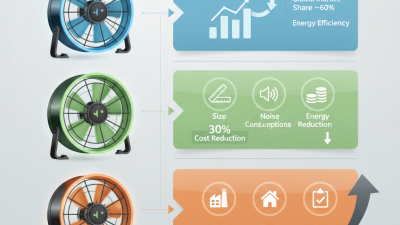
One key benefit of axial flow fans is their ability to deliver high airflow rates while maintaining lower operational costs. For example, in large industrial facilities, these fans can reduce energy consumption by up to 30% compared to traditional centrifugal fans. Furthermore, their design allows for easier installation and maintenance. This can lead to reduced downtime, which is a critical factor in maintaining productivity levels.
When selecting axial flow fans, consider their noise levels. Some models generate significant noise, which may not be suitable for all environments. It’s essential to choose a fan that meets the specific acoustic requirements of your facility. Monitoring airflow patterns during usage can also help identify potential improvements in system performance. Adapting configurations based on real-time data can enhance efficiency, but this requires careful observation and adjustment.
Energy Efficiency of Axial Flow Fans Compared to Other Types
Axial flow fans are known for their significant energy efficiency. When compared to centrifugal fans, axial flow fans often consume less power for similar airflow rates. According to a study by the Department of Energy, axial fans can achieve energy savings of up to 30%. This efficiency translates into lower operational costs for industries relying on ventilation and cooling systems.
Furthermore, axial flow fans excel in environments with high air volume requirements. They are ideal for applications in large spaces like warehouses and manufacturing facilities. In these settings, the ability to move large volumes of air at a lower energy cost shows their advantage. A report by the Fan Law Association estimates that using axial fans can reduce energy consumption without sacrificing performance in properly matched systems.
Despite these benefits, not all scenarios favor axial flow fans. Under specific conditions, such as high-pressure environments, they may not perform as effectively. It's crucial to assess the unique requirements of each application. Understanding the balance between energy efficiency and operational needs remains vital for optimizing fan selection in industrial settings. Ensuring the right choice can maximize efficiency and minimize costs over time.
Design and Functionality of Axial Flow Fans in Industrial Settings
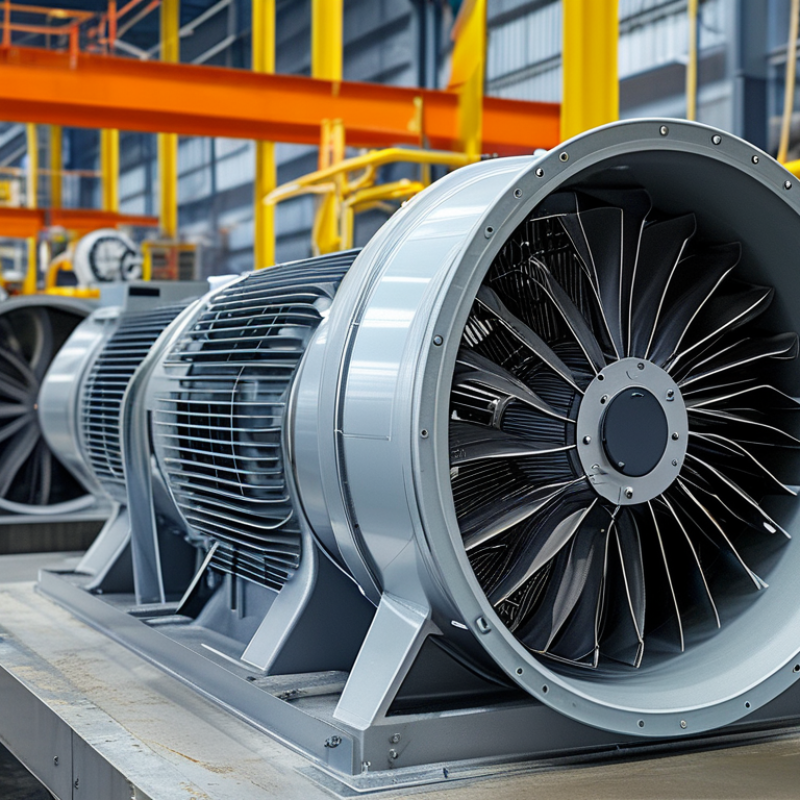
Axial flow fans are essential in various industrial settings. Their design focuses on moving air parallel to the fan axis. This unique structure allows for high air volume at low pressure. In factories, these fans help maintain optimal air quality and temperature. They offer efficient cooling solutions for machinery. However, their installation requires careful planning to maximize airflow.
The functionality of axial flow fans is notable. They come with adjustable blades to cater to different operational needs. This feature can enhance performance in specific environments. Maintenance is a critical aspect to ensure longevity and reliability. Regular checks on the blades and motor can prevent potential failures. Yet, the need for consistent upkeep might be an oversight in some operations.
In many cases, users may underestimate the noise generated by these fans. While designed for efficiency, sound levels can still be significant. Addressing noise issues is vital in workplaces where concentration is key. Recognizing these factors can lead to better design choices. It’s essential to weigh the benefits against possible drawbacks in each unique industrial application.
Common Industries That Benefit from Axial Flow Fans
Axial flow fans play a crucial role in various industries, enhancing air circulation and temperature control. The manufacturing sector, for example, extensively utilizes these fans. They help in cooling machinery and ventilation in production areas, ensuring a safe working environment. Proper airflow can reduce heat buildup, which can prolong equipment lifespan.
In the agricultural industry, axial flow fans are indispensable. They provide crucial ventilation in livestock facilities and crop storage. The consistent airflow helps stabilize temperatures and maintain humidity levels, which is vital for both animal health and crop preservation. However, some operations still rely on outdated ventilation systems. This can lead to inefficiencies and increased energy costs.
The chemical industry also benefits greatly from axial flow fans. They ensure proper air circulation during various processes. This helps maintain necessary temperature ranges, reducing the risk of hazardous reactions. Yet, not all facilities optimize fan placement effectively. Poorly positioned fans can cause airflow dead zones, impacting performance.
Benefits of Using Axial Flow Fans in Industry
This chart illustrates the various benefits of axial flow fans in industry, reflecting their percentage impact in key areas such as energy efficiency, cost-effectiveness, space efficiency, versatility, and low maintenance.
Maintenance and Longevity of Axial Flow Fans in Industrial Use
Axial flow fans are vital in many industrial settings due to their efficiency and versatility. However, when it comes to maintenance and longevity, several factors need consideration. Regular inspections are crucial. Components like blades and motors must be checked for wear and tear. Small issues can escalate quickly if ignored. Dust and debris accumulation can hinder performance. Keeping these fans clean improves airflow and efficiency.
Moreover, lubrication of moving parts is essential. A well-lubricated fan operates smoother and lasts longer. It’s necessary to choose the right type of lubricant for specific fan models. Failing to do so may lead to premature failure. Vibration analysis is another important aspect. Excessive vibration can indicate underlying problems. Addressing them promptly can prevent costly downtime.
Lastly, the environment in which these fans operate plays a significant role. High humidity or corrosive conditions can shorten a fan’s lifespan. Regular assessments of operational settings are needed. Adaptations may be necessary to ensure optimal performance. While axial flow fans are robust, they still require attention to detail in maintenance to prolong functionality. Ignoring these factors can lead to unexpected challenges.