What is an Axial Flow Fan and How Does It Work?
An Axial Flow Fan is a vital component widely used in various applications. These fans are designed to move air parallel to the fan's axis. Understanding how they function is crucial for optimizing airflow in ventilation systems.
The design of an Axial Flow Fan includes blades that convert rotational motion into airflow. This process creates a steady stream of air. Many industries rely on these fans for cooling, exhaust, and air circulation needs. Their efficiency can influence energy consumption significantly.
However, not all Axial Flow Fans are created equal. Factors like blade design and motor power can impact performance. Users often overlook these details, leading to suboptimal results. By examining these elements, one can make informed decisions. The goal is to strike a balance between airflow and energy efficiency.
Definition and Overview of Axial Flow Fans
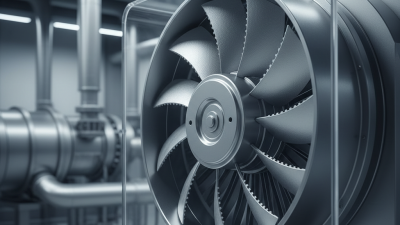
Axial flow fans are essential devices used in various applications, including ventilation and cooling systems. They function by moving air along the axis of the fan. These fans are constructed with blades that are positioned to direct airflow in a straight line. It is this design that sets axial flow fans apart from other types, such as centrifugal fans.
The key features of axial flow fans include their simplicity and efficiency. They can move high volumes of air at low pressures. This makes them ideal for situations where space is limited yet effective airflow is needed. However, they can be less effective at generating high pressure compared to centrifugal fans. Users should consider this when selecting a fan for specific needs.
In practice, the performance of axial flow fans can vary significantly based on installation and environmental conditions. Improper placement can lead to inefficiencies, while clean blades ensure optimal air movement. Regular maintenance and monitoring can enhance their longevity and performance. Understanding these nuances is crucial for achieving the best results in airflow management.
Principle of Operation for Axial Flow Fans
Axial flow fans operate based on a straightforward principle. They consist of blades that push air parallel to the axis of rotation. When the blades spin, they create a pressure difference, drawing air in from one side and pushing it out the other. This motion results in a continuous airflow that's efficient for ventilating various spaces. The design is simple, yet effective, making these fans common in industrial applications.
One critical aspect of axial flow fans is their ability to handle large volumes of air at low pressure. This feature makes them suitable for cooling or exhausting air in environments like factories and greenhouses. However, the efficiency of an axial flow fan can be influenced by factors such as blade design and speed.
Adjusting these parameters can optimize performance, but getting it right often requires trial and error. Understanding these subtle variables can lead to improved airflow and energy savings.
Components of an Axial Flow Fan
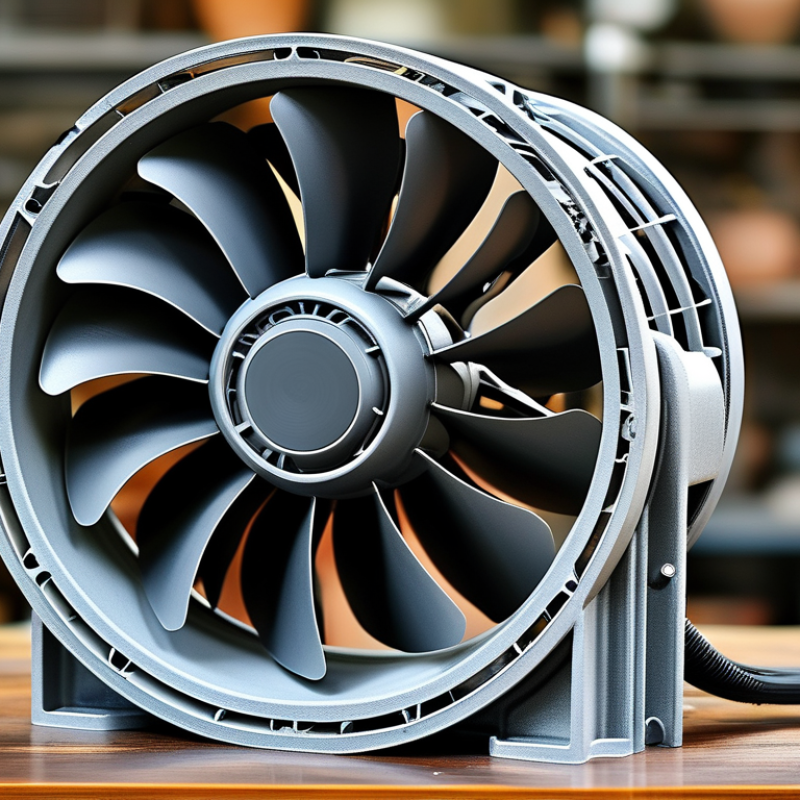
An axial flow fan is designed to move air parallel to the fan axis. Understanding its components is crucial for optimal performance and efficiency. The primary parts include the rotor, stator, and housing. Each plays a vital role in the fan's operation.
The rotor consists of blades that rotate and impart energy to the air. Typically, the angle and shape of the blades influence airflow and efficiency. According to a report by the American Society of Heating, Refrigerating and Air-Conditioning Engineers (ASHRAE), optimizing blade design can enhance airflow performance by up to 30%.
Stators, often found in high-efficiency axial fans, help direct the airflow, minimizing turbulence. Proper configuration of stators can lead to significant energy savings. For instance, recent studies suggest that integrating adjustable stators can improve overall system efficiency by around 15%. The housing encases these components, serving to streamline airflow while protecting internal parts. However, many designs are not optimized for minimal resistance, leading to lost energy and increased operating costs. Understanding and improving these components can enhance fan performance and energy efficiency significantly.
What is an Axial Flow Fan and How Does It Work? - Components of an Axial Flow Fan
| Component |
Description |
Function |
| Fan Blades |
Curved aerodynamic blades that move air |
Generate airflow in a straight line |
| Blade Hub |
Central part where blades attach |
Provides support and stability to blades |
| Motor |
Electrically powered component |
Drives the rotation of the fan blades |
| Casing |
Outer shell of the fan |
Protects internal components and directs airflow |
| Inlet/Outlet Grilles |
Screens at the air entry and exit points |
Prevents foreign objects from entering the fan |
Applications and Uses of Axial Flow Fans
Axial flow fans play a crucial role in numerous applications across various industries. These fans are adept at moving large volumes of air in a streamlined manner. According to a recent market analysis, the axial fan market is projected to grow by 5.2% annually, indicating their increasing relevance in sectors like HVAC and industrial processes.
In the HVAC industry, axial flow fans are predominantly used for ventilation. They are particularly effective in spaces where air needs to be swiftly circulated. Hospitals often utilize them for maintaining air quality. A report from the American Society of Heating, Refrigerating and Air-Conditioning Engineers highlights the importance of effective airflow for health and safety.
In water treatment facilities, axial fans aid in the aeration process. They ensure adequate oxygen levels in treatment systems. This functionality is vital for the breakdown of organic matter. Nevertheless, not all installations yield optimum efficiency. Factors such as incorrect sizing can lead to energy waste. Continuous monitoring and adjustments are necessary for peak performance. This complexity underscores the importance of expert knowledge in selecting and maintaining these fans.
Advantages and Disadvantages of Axial Flow Fans
Axial flow fans are widely used for their efficiency in moving air. They feature a simple design, comprising blades mounted on a rotating hub. This design creates a direct flow path for air. However, the use of axial flow fans comes with both advantages and disadvantages that should be considered.
One significant advantage is their energy efficiency. Research by the American Society of Heating, Refrigerating and Air-Conditioning Engineers (ASHRAE) indicates that axial flow fans can operate at a high efficiency rate, often exceeding 85%. This means lower energy bills for businesses. They are also compact, making them suitable for tight spaces. However, their effectiveness diminishes in high-pressure applications. The noise level can also be a concern, as higher speeds often lead to increased sound emissions.
**Tip:** When assessing axial flow fans, consider the environment where they will be installed. A quieter design might be necessary for residential areas.
On the downside, axial flow fans can face challenges concerning airflow consistency. In applications requiring precise airflow control, these fans may not perform as well as other types. Additionally, they can struggle with dirt accumulation, impacting efficiency. Industries looking for reliability may find that these factors warrant careful consideration.
**Tip:** Regular maintenance can mitigate issues related to dirt and noise. Schedule inspections to ensure optimal performance.
Axial Flow Fan Performance Comparison