Top 10 Benefits of Using Axial Flow Fans for Your Ventilation Needs?
In the realm of ventilation solutions, "Axial Flow Fans" have emerged as a staple in various industries. Renowned expert Dr. Emily Johnson, a leading voice in airflow technology, states, “Axial Flow Fans enhance efficiency while maintaining optimal air quality.” This sentiment underscores the significant advantages of using these fans in diverse applications.
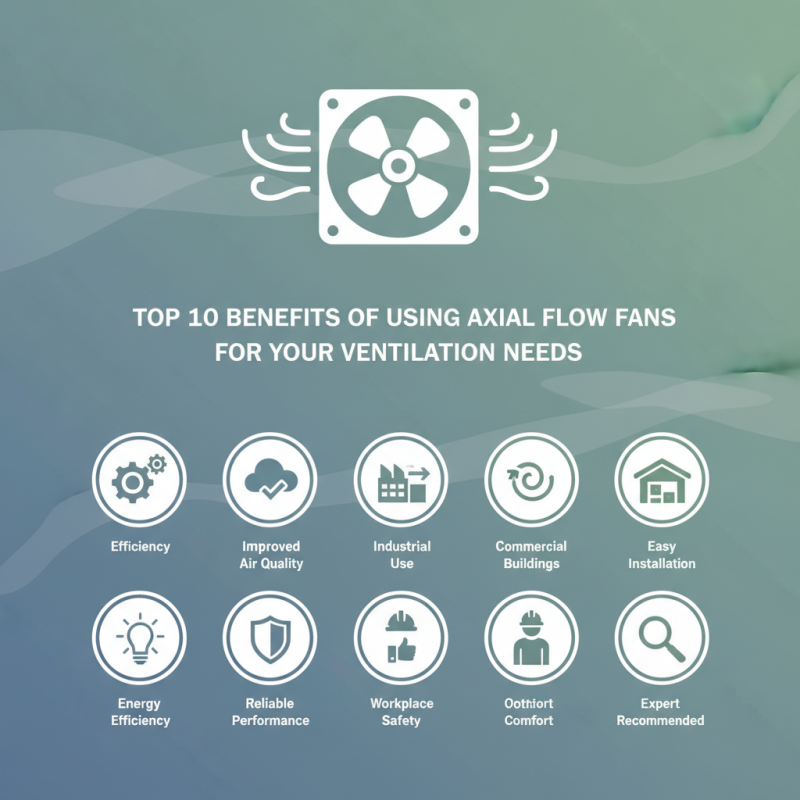
Axial Flow Fans are designed to move large volumes of air efficiently. They are ideal for spaces needing proper ventilation, such as factories, warehouses, and commercial buildings. Their intuitive design allows for easy installation, yet the effectiveness can vary based on specific environmental conditions. Users often find themselves navigating the balance between airflow needs and energy consumption.
Reliability in performance is crucial. Axial Flow Fans can be pivotal in ensuring work environments remain safe and comfortable. However, selecting the right model requires careful consideration. Each application may present unique challenges that necessitate expert advice for optimal results. By understanding their strengths and limitations, businesses can make informed decisions that lead to better ventilation outcomes.
Understanding Axial Flow Fans and Their Functionality
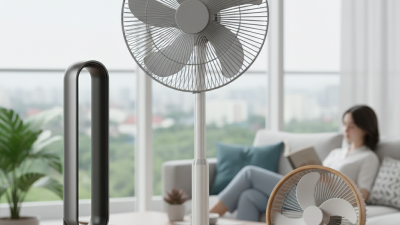
Axial flow fans are essential for efficient ventilation systems. They operate by moving air parallel to the fan's axis. This design helps circulate air effectively in various environments, from industrial settings to residential spaces. Their ability to move large volumes of air makes them ideal for maintaining optimal temperatures and air quality.
These fans have several components that contribute to their functionality. The blades are typically angled, allowing for increased airflow. The motor drives the blades, converting electrical energy into kinetic energy. This movement can create a refreshing breeze or assist in cooling processes. Understanding how these components work together allows for better selection based on specific needs.
However, not all axial flow fans perform equally. The choice of materials and design can impact efficiency. Factors such as noise level and energy consumption need consideration. Regular maintenance also plays a crucial role in ensuring optimal performance. It's important to reflect on these aspects to make informed decisions about ventilation needs.
Top 10 Benefits of Using Axial Flow Fans for Your Ventilation Needs
Key Advantages of Axial Flow Fans in Ventilation Systems
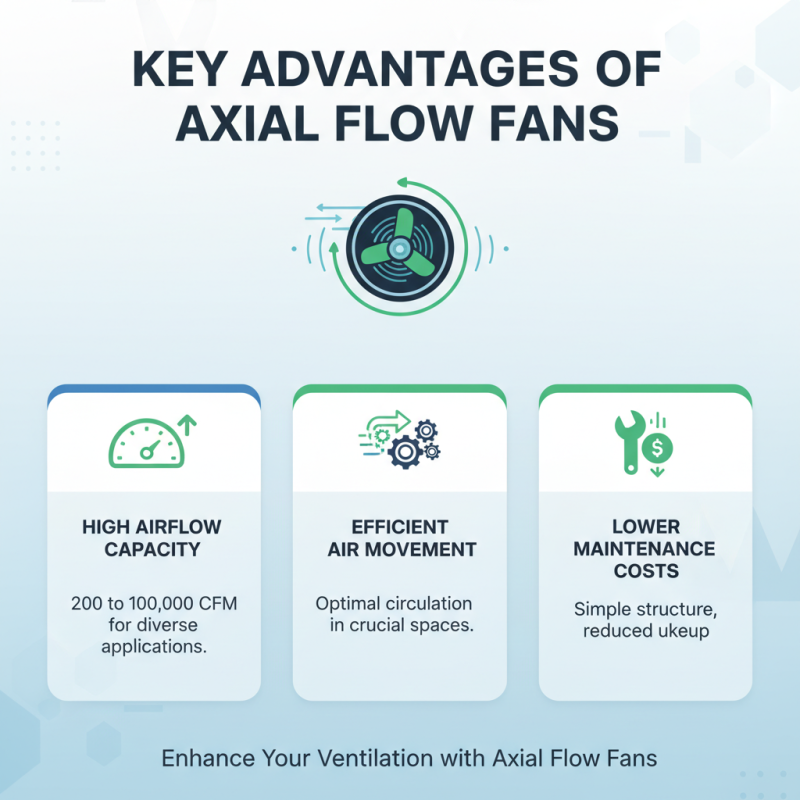
Axial flow fans play a significant role in enhancing ventilation systems across various industries. A recent industry report highlighted that these fans can achieve airflows ranging from 200 to 100,000 CFM, making them suitable for different applications. Their design allows for efficient movement of air, ensuring optimal circulation in spaces where ventilation is crucial. The simplicity of their structure contributes to lower maintenance costs over time.
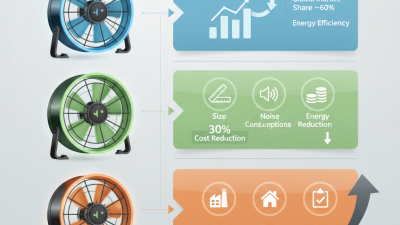
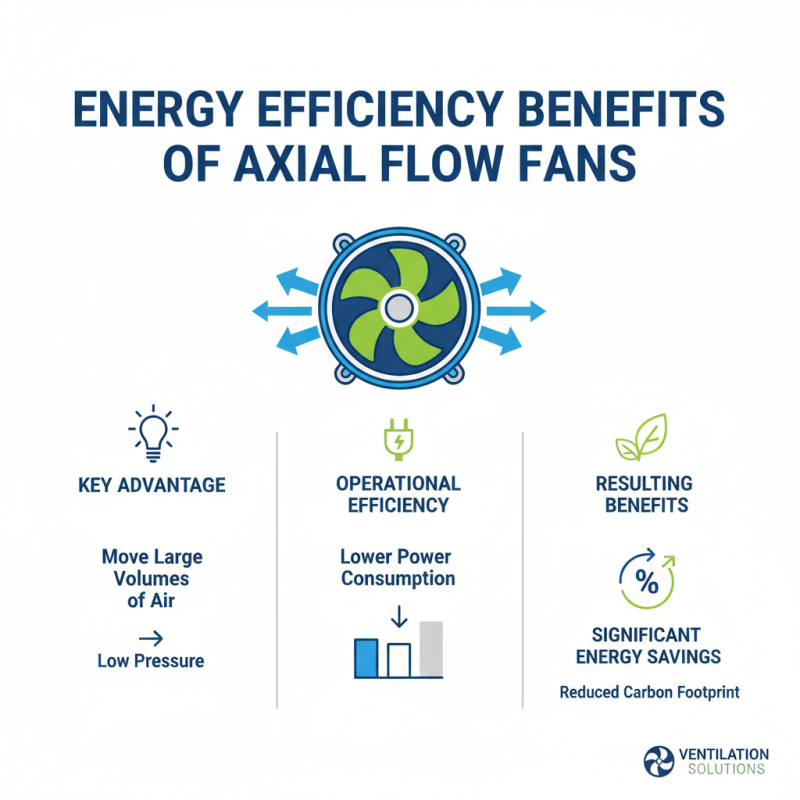
One of the critical advantages of axial flow fans is their energy efficiency. According to the U.S. Department of Energy, properly selected fans can lead to energy savings of up to 30%. This efficiency translates into lower operational costs, particularly in larger facilities where air circulation is vital. Additionally, axial flow fans can operate quietly, which is beneficial in environments requiring noise control.
**Tip:** When selecting axial flow fans, consider the specific airflow needs of your space to avoid over- or underperformance. It’s essential to assess your system regularly for potential inefficiencies.
Another notable factor is the versatility of these fans. They can be mounted in various orientations, allowing for flexible installations. However, it might be easy to overlook airflow direction, which can lead to inadequate ventilation. Understanding the layout of your space is key to optimizing air distribution.
**Tip:** Regular inspections can identify any performance dips and help in adjusting the fan settings accordingly. This practice ensures that the system runs at peak efficiency.
Energy Efficiency Benefits of Using Axial Flow Fans
Axial flow fans are becoming increasingly popular in various ventilation systems. One of their main advantages is energy efficiency. These fans can move large volumes of air at low pressure. This characteristic allows them to operate at lower power levels, which can significantly reduce energy consumption.
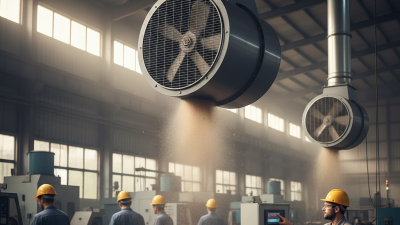
Consider a warehouse or manufacturing facility. Proper ventilation is crucial for worker comfort and safety. Using axial flow fans, you can maintain a stable airflow without excessive energy costs. When choosing a fan, pay attention to its performance specifications. Fans with high efficiency ratings can lead to substantial savings over time.
It’s essential to reflect on your current ventilation setup. Are your existing fans consuming too much energy? Are they providing adequate airflow? Transitioning to axial flow fans may require upfront investment. However, the long-term benefits, such as reduced energy bills and improved air quality, often outweigh initial costs. Ensure you evaluate your needs before making a decision.
Applications of Axial Flow Fans in Various Industries
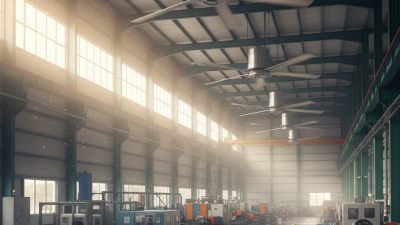
Axial flow fans are increasingly utilized across various industries due to their efficiency in ventilation. In commercial buildings, these fans help reduce heat buildup. They efficiently circulate air, making workspaces more comfortable for employees. In warehouse settings, they maintain optimal airflow, which can enhance product storage conditions.
The agricultural sector also benefits from axial flow fans. These fans are essential in livestock farms to ensure proper air exchange. They help regulate temperature and humidity, which leads to healthier animals. In greenhouses, axial fans improve plant growth by controlling the climate. Their versatility makes them a valuable component in different settings.
Industries such as manufacturing and mining often rely on axial flow fans for dust control. They help remove airborne particles, creating a safer working environment. However, improper installation can lead to inefficiencies. Regular maintenance is crucial. Fans need checks to ensure they function properly over time. Neglecting this can reduce overall performance and safety.
Top 10 Benefits of Using Axial Flow Fans for Your Ventilation Needs
| Benefit |
Description |
Applications |
Industry |
| High Efficiency |
Maximizes airflow with lower energy consumption. |
Cooling and ventilation systems |
Manufacturing |
| Compact Design |
Space-saving design suitable for tight environments. |
Air handling units |
HVAC |
| Versatile Usage |
Can be used for both exhaust and supply air systems. |
Warehouse ventilation |
Logistics |
| Cost-Effectiveness |
Affordable installation and maintenance. |
Agricultural facilities |
Agriculture |
| Low Noise Operation |
Designed for quiet operation, enhancing comfort. |
Office buildings |
Commercial |
| Easy Installation |
Quick setup process with minimal structural changes. |
Industrial plants |
Manufacturing |
| Durability |
Built to withstand harsh environmental conditions. |
Outdoor applications |
Construction |
| High Airflow Rates |
Can move large volumes of air efficiently. |
Cooling towers |
Power generation |
| Energy Saving Features |
Equipped with technology to reduce energy usage. |
Smart building systems |
Building automation |
| Environmentally Friendly |
Reduces carbon footprint through energy efficiency. |
Green buildings |
Sustainable design |
Maintenance and Longevity of Axial Flow Fans in Operations
When considering axial flow fans, maintenance is crucial. These fans require regular attention to ensure they operate efficiently. Checking for dust buildup on blades is essential. Neglect can lead to decreased performance. A simple wipe down can go a long way. Also, listen for unusual noises during operation. These can indicate wear or imbalance. Regular checks are key to preventing larger issues.
Longevity depends on several factors. Proper installation is vital, so ensure it aligns with manufacturer guidelines. Vibrations can cause early failure, so secure the fan correctly. Inspect bearings and motor performance regularly. Replacing worn parts proactively can extend the fan’s life. It's also wise to keep an eye on ambient conditions. High moisture environments may accelerate wear.
Despite all precautions, problems may still arise. Sometimes, unexpected breakdowns happen. Being prepared with a maintenance plan can reduce downtime. Creating a checklist can help in routine checks. Engaging a professional can also provide deeper insights. While axial fans are reliable, consistent care is necessary for optimal performance.