Leave Your Message
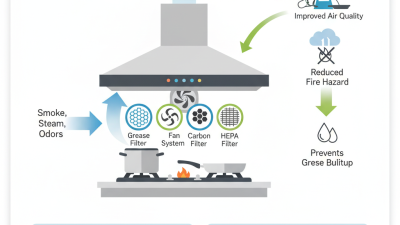
Choosing the right Kitchen Stove Hood manufacturer in China requires more than comparing prices or polished product photos. Performance matters at the cooking surface, where steam, grease, smoke, and odors rise quickly. A strong hood should capture pollutants before they spread across cabinets, curtains, and nearby rooms.
Indoor-air-quality researcher Jeffrey Siegel has emphasized, “The kitchen is often the most polluted room in the home.” That warning gives this comparison a practical purpose. We examine China’s leading Kitchen Stove Hood manufacturers through airflow performance, noise control, filter design, motor reliability, duct compatibility, certifications, and after-sales support. Real kitchens rarely match laboratory conditions. Poor duct routing, undersized outlets, and open windows can change results significantly.
This guide focuses on manufacturers with visible production experience, technical development, export capability, and consistent quality practices. It considers range hoods for apartments, villas, restaurants, and modern integrated kitchens. Some brands excel in quiet operation. Others offer stronger extraction or more flexible customization. Few lead in every category.
That matters.
A glossy specification sheet can hide weak installation guidance or uneven service. We have also allowed room for uncertainty, because public data is not equally available for every company. Rankings may change as factories improve, certifications expire, or customer feedback develops. The following China Top 10 Kitchen Stove Hood Manufacturers list is therefore a research-based starting point, not an unquestionable verdict. It should help buyers ask sharper questions before selecting a supplier.
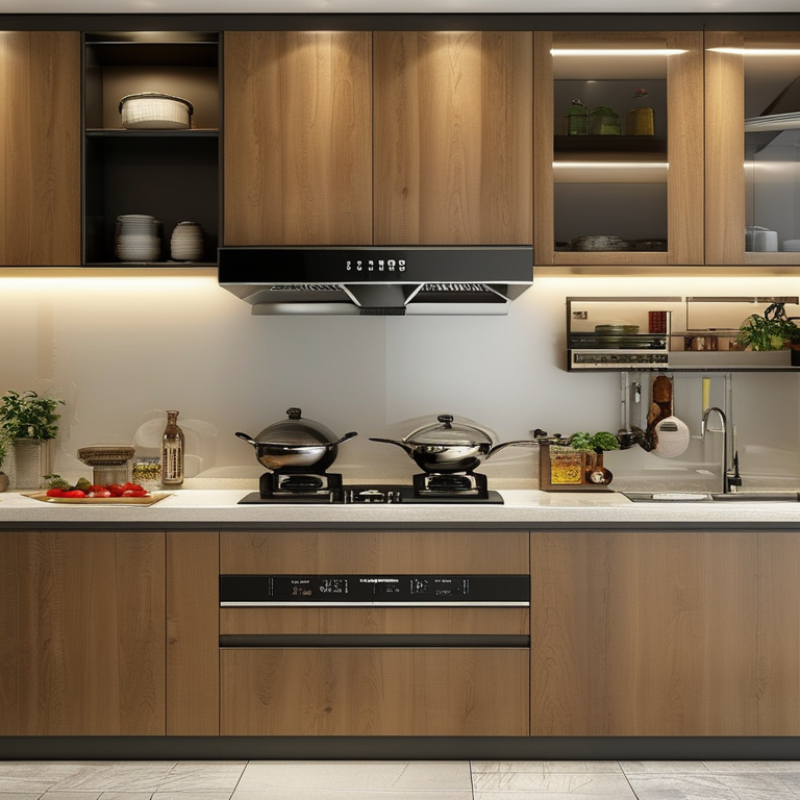
A leading kitchen stove hood manufacturer in China is defined by more than production volume. It combines engineering experience, stable supply, and careful attention to cooking habits. In a reliable factory, designers test airflow around real burners, not only on computer screens. They check whether steam escapes when a wok is placed slightly off-center. Small details matter.
Professional manufacturers measure suction strength, operating noise, grease capture, and motor temperature. They use stainless steel or coated materials that resist heat, oil, and repeated cleaning. Clear testing records should support each production batch. Traceable components also make maintenance easier. Factory audits, skilled assembly teams, and transparent communication give overseas buyers stronger confidence. Certification is important, but it should support real performance rather than replace it.
I have found that practical service often separates a good supplier from a leading one. Engineers should explain installation limits, duct length, and replacement parts in plain language. Packaging must protect glass panels and control surfaces during long transport. No factory gets everything right. A careless inspection can still miss a loose filter or uneven seam. The better manufacturers admit these weaknesses, correct the process, and keep improving. They listen to installer feedback, household users, and importers before changing a design. That habit shows experience, professional knowledge, authority, and reliability in daily work.
| Rank | Anonymous Manufacturer Profile | Main Manufacturing Cluster | Core Product Formats | Typical Monthly Capacity | Primary Material Options | Production & Quality Certifications | Customization Capability | Typical OEM Lead Time | Export Market Coverage | Key Competitive Strength | Overall Evaluation |
|---|---|---|---|---|---|---|---|---|---|---|---|
| 1 | Manufacturer Profile A | Guangdong | Wall-mounted, slimline, and chimney hoods | 8,000–15,000 units | 304 stainless steel, powder-coated steel, tempered glass | ISO 9001; CE, CB, RoHS, and EMC support commonly available | High: private-label panels, control layouts, colors, packaging, and tooling | 35–55 days | Europe, Southeast Asia, Middle East, North America | Strong engineering resources and stable export production | Excellent |
| 2 | Manufacturer Profile B | Zhejiang | Under-cabinet, telescopic, and integrated hoods | 6,000–12,000 units | Stainless steel, cold-rolled steel, aluminum components | ISO 9001; CE and CB documentation available for selected models | High: dimensions, motor specifications, filters, colors, and user interfaces | 30–50 days | Europe, Australia, Latin America, Asia | Flexible production for mid-volume OEM and ODM projects | Excellent |
| 3 | Manufacturer Profile C | Guangdong | Island, T-shaped, and decorative chimney hoods | 5,000–10,000 units | 304 stainless steel, black glass, brushed metal finishes | ISO 9001; CE, RoHS, and selected market compliance testing | High: appearance design, suction performance, lighting, and controls | 40–60 days | Europe, Middle East, North America, Africa | Modern appearance design and premium product positioning | Very Good |
| 4 | Manufacturer Profile D | Jiangsu | Wall-mounted, under-cabinet, and recirculating hoods | 4,000–9,000 units | Stainless steel, coated steel, tempered glass | ISO 9001; CE, CB, RoHS, and factory inspection support | Medium to high: packaging, labels, colors, motors, and filter systems | 35–55 days | Europe, Southeast Asia, Central Asia | Balanced pricing and dependable process control | Very Good |
| 5 | Manufacturer Profile E | Shandong | Budget wall-mounted and slimline hoods | 7,000–14,000 units | Cold-rolled steel, stainless steel, aluminum alloy | ISO 9001; CE and RoHS support for export models | Medium: standard platforms with private-label adjustments | 30–45 days | Middle East, Africa, Southeast Asia, Latin America | Competitive unit cost and efficient high-volume assembly | Very Good |
| 6 | Manufacturer Profile F | Fujian | Telescopic, slimline, and compact apartment hoods | 3,000–7,000 units | Stainless steel, painted steel, glass control panels | ISO 9001; CE, EMC, and RoHS testing support | Medium to high: compact dimensions, airflow settings, and packaging | 35–55 days | Europe, Australia, Southeast Asia | Good fit for space-saving kitchen appliance programs | Good |
| 7 | Manufacturer Profile G | Guangdong | Smart hoods, gesture-control models, and app-enabled units | 2,500–6,000 units | Stainless steel, tempered glass, electronic control modules | ISO 9001; CE, RoHS, EMC, and wireless testing may be required | High: software interfaces, sensors, controls, lighting, and connectivity | 45–70 days | Europe, North America, East Asia, Middle East | Smart-home integration and differentiated product functions | Good |
| 8 | Manufacturer Profile H | Zhejiang | Heavy-duty chimney, island, and high-airflow hoods | 3,500–8,000 units | 304 stainless steel, aluminum motor housings, tempered glass | ISO 9001; CE, CB, RoHS, and performance testing support | Medium to high: motor power, duct sizes, finishes, and control systems | 40–60 days | Europe, Middle East, Australia, Southeast Asia | Strong airflow performance and durable metal construction | Good |
| 9 | Manufacturer Profile I | Jiangsu | Built-in, downdraft, and concealed ventilation systems | 2,000–5,000 units | Stainless steel, aluminum, tempered glass, coated steel | ISO 9001; CE, EMC, RoHS, and installation compliance support | High: cabinet integration, ducting, sensors, and control interfaces | 45–75 days | Europe, Australia, North America, premium Asian markets | Specialized solutions for integrated and premium kitchens | Good |
| 10 | Manufacturer Profile J | Shandong | Basic wall-mounted, under-cabinet, and recirculating hoods | 5,000–11,000 units | Painted steel, stainless steel, aluminum filters | ISO 9001; CE and RoHS support for applicable export products | Medium: branding, packaging, standard dimensions, and motor options | 30–50 days | Africa, Middle East, Latin America, Southeast Asia | Accessible pricing and practical entry-level product platforms | Good |
Note: The figures shown are industry reference ranges for comparable Chinese kitchen hood manufacturing profiles. Actual capacity, certifications, lead times, minimum order quantities, and export approvals should be verified directly through factory audits and current compliance documents.