Top 10 Tips for Choosing Environmentally Friendly Fans
As we face the growing challenge of climate change, choosing the right appliances becomes essential. Environmentally Friendly Fans offer a solution that combines comfort and sustainability. Renowned industry expert Dr. Sarah Green emphasizes, "Selecting the right fan can significantly reduce our carbon footprint." This highlights the importance of informed choices.
These fans not only save energy but also use sustainable materials. Yet, many consumers struggle to differentiate between eco-friendly options and traditional models. It's easy to feel overwhelmed by the myriad choices available. Awareness of the impact on our environment is crucial, but so is discernment in selecting trustworthy products.
Engaging with reliable resources and expert insights is vital. Consumers must consider factors like energy efficiency ratings, operating noise levels, and material sourcing. Reflecting on our consumption habits can lead to better decisions. Ultimately, the choice of Environmentally Friendly Fans is a small yet impactful step toward a greener future.
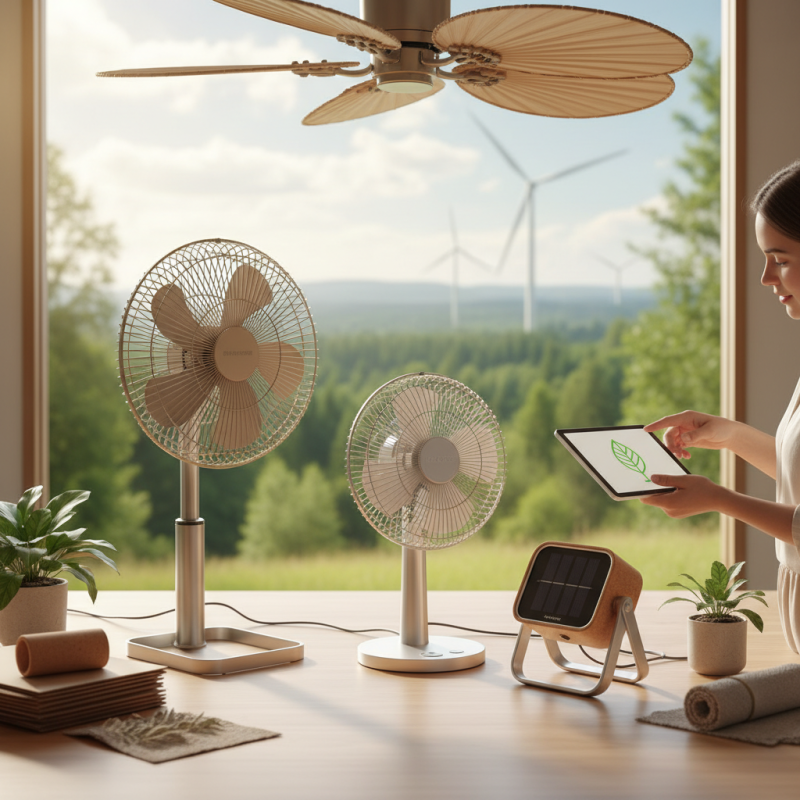
Understanding Environmental Impact of Fans
When considering the environmental impact of fans, several factors come into play. The materials used in the fan’s construction are crucial. Fans made from recyclable materials reduce waste. Look for energy-efficient models that consume less power. This choice aids in lowering carbon emissions.
Assess the fan’s design as well. Some designs promote better airflow, requiring less energy to operate. Fans that use a smaller motor can also help. Remember, a compact fan uses less electricity. Don’t overlook the possibility of a multi-functional fan, which can replace multiple devices.
Choosing the right fan involves more than aesthetics. Check for certifications that validate eco-friendliness. You’ll find some fans ranked by their environmental impact. Recognizing these ratings can steer you toward sustainable choices. Seek fans that balance performance with sustainability. It’s essential to be mindful of your choice, as your small decision contributes to a larger environmental footprint.
Top 10 Environmentally Friendly Fans: Energy Consumption vs. Airflow
This chart compares the energy consumption (Watts) and airflow (CFM) of different fan types to help consumers make environmentally friendly choices.
Key Features to Look for in Eco-Friendly Fans
When selecting eco-friendly fans, certain features can significantly enhance their environmental benefits. Look for Energy Star certification, which indicates that a fan meets strict energy efficiency guidelines set by the U.S. Environmental Protection Agency. According to a report from the American Council for an Energy-Efficient Economy, Energy Star-rated fans use about 60% less energy than standard models. This can lead to substantial savings on electricity bills while reducing your carbon footprint.
Another crucial aspect is the material used in the fan’s construction. Opt for fans made from sustainable materials, such as bamboo or recycled metals. These materials not only reduce environmental impact but also tend to be more durable. A study conducted by the Sustainable Furnishings Council highlights that environmentally friendly materials can decrease greenhouse gas emissions by up to 50% during production. However, many environmentally conscious fans may have a higher upfront cost compared to traditional alternatives. This could create a financial challenge for some consumers.
Lastly, consider the fan's lifespan and maintenance needs. A longer-lasting fan can be more environmentally friendly in the long run. A report from the Consumer Product Safety Commission suggests that the average lifespan of an eco-friendly fan can exceed 15 years. Regular maintenance can also extend the life of these products. Some fans require more upkeep than others, which can be a burden for users. Understanding these factors will aid in making a more informed, eco-conscious choice.
Energy Efficiency Ratings and Their Importance
When choosing an environmentally friendly fan, energy efficiency ratings play a crucial role. These ratings indicate how much power the fan consumes compared to the air it moves. A high energy efficiency rating means lower electricity bills and a reduced carbon footprint. Many fans on the market today advertise energy efficiency, but it's essential to delve deeper into the numbers. Knowing the fan's wattage can help you assess its efficiency relative to its airflow capability. A good fan should provide a comfortable breeze without guzzling energy.
Tips for selecting the right fan include checking for Energy Star certifications. These fans meet strict efficiency standards. Additionally, look for variable speed settings. This feature allows you to adjust airflow according to your needs, which can save energy. It’s also wise to consider the fan’s size in relation to your room. An oversized fan in a small space can waste energy. If you find yourself constantly adjusting your settings, reflect on whether your choice truly matches your usage patterns.
Lastly, think about the materials used in the fan. Eco-friendly materials often have a lower environmental impact during production. However, some fans may not perform well over time. Regular maintenance can prolong their life. Balancing material quality and efficiency is key. Sometimes, the best choice is to prioritize durability over minimal energy use.
Sustainable Materials Used in Fan Production
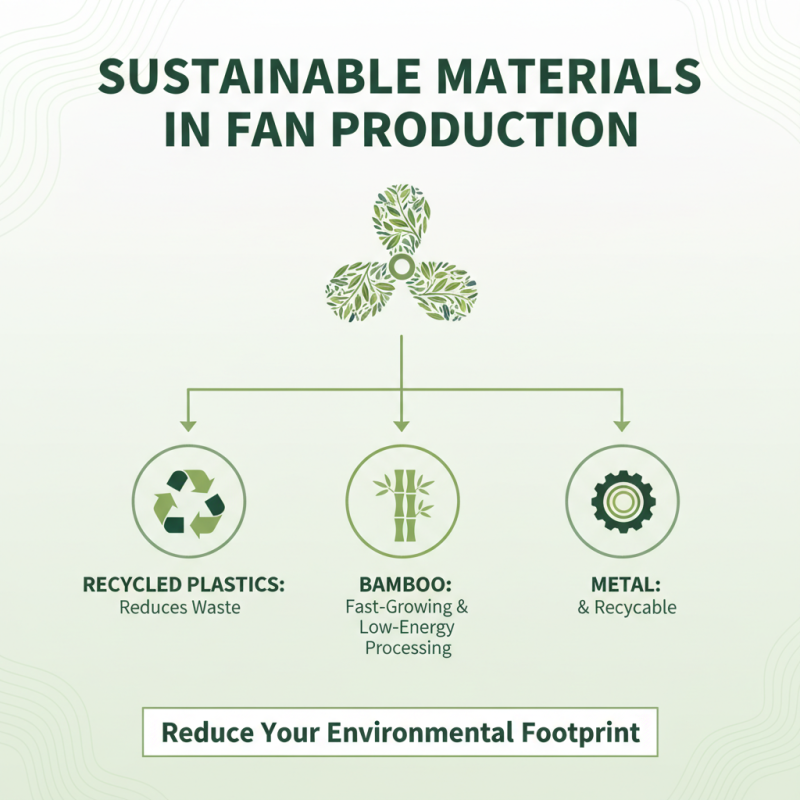
When selecting an environmentally friendly fan, the materials used in production are crucial. Sustainable materials significantly reduce the environmental footprint of your purchase. Look for fans made from recycled plastics, bamboo, or metal. Bamboo, in particular, is fast-growing and requires less energy for processing.
Many fans also incorporate biodegradable components. Such materials help ensure less waste in landfills. However, it’s important to verify claims about sustainability. Not all products labeled “eco-friendly” meet the same standards. Examine certifications and material sources carefully.
Choosing a sustainable fan can be a step toward a greener future. Consider the entire lifecycle of the product. From raw material extraction to end-of-life disposal, every stage impacts the environment. Take time to research and reflect on the long-term benefits of your choices. Understanding these aspects empowers consumers to make informed decisions.
Recycling and Disposal Options for Fans
When selecting an environmentally friendly fan, it's essential to consider recycling and disposal options. Many consumers overlook this critical aspect, leading to improper waste. According to the Environmental Protection Agency (EPA), the average household accumulates approximately 70 pounds of electronic waste annually. Many fans fall into this category, contributing to landfill issues.
Most fans contain materials that can be recycled, such as metal and plastic. It's crucial to check local recycling programs that accept these items. Some regions offer specific collection days for electronic waste. For instance, a report from the International Solid Waste Association reveals that only 20% of electronic waste is properly recycled globally. This highlights the importance of informed disposal.
Disposing of fans improperly can release harmful substances into the environment. For instance, certain materials within electronic devices can leach into soil and water. Engaging with local environmental organizations can enhance awareness. It is advisable to stay informed about the latest developments in recycling technology and policies. Continuing education can refine our choices and spark necessary conversations about waste management.