Top Hood Fan Range Features That You Should Consider for Your Kitchen?
Choosing the right hood fan range for your kitchen is essential. A good range hood enhances air quality and reduces cooking odors. It also plays a role in your kitchen's design. When selecting a hood fan range, consider various features that can make your cooking experience enjoyable.
Power and efficiency are important factors. A strong fan can effectively eliminate smoke and steam. In contrast, a quiet model ensures your kitchen remains peaceful. Additionally, think about the size. A larger hood may be needed for high-capacity stoves. The style and design can also impact your kitchen’s aesthetics.
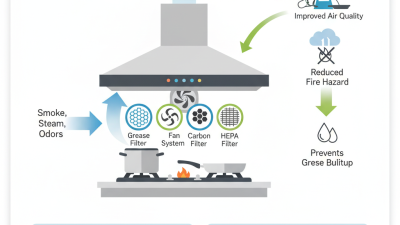
Safety features should not be overlooked. Some hood fan range models have built-in alarms or filters that prevent grease fires. These elements reflect the need for reliability in your kitchen. Reflect on what you value most. Are aesthetics your priority, or is performance your top concern? Balancing these elements is crucial for a functional kitchen.
Essential Features of Kitchen Hood Fans to Enhance Cooking Efficiency
When selecting a kitchen hood fan, several essential features can significantly boost cooking efficiency. One often overlooked aspect is the fan's airflow rating, measured in cubic feet per minute (CFM). According to industry standards, a range hood should provide at least 100 CFM for every 10,000 BTUs of cooking power. This ensures effective ventilation, which can enhance air quality and remove smoke and odors from your cooking space.
Another important consideration is the noise level. Many consumers prefer a quiet operation, with noise levels ideally under 60 decibels. The kitchen can be a social hub, and intrusive sounds from appliance fans can disturb conversations and overall enjoyment. Some hood fans incorporate sound-dampening technologies, which are becoming a crucial factor in buyer preferences, as a recent report indicated that 30% of users prioritize noise levels when shopping for hood fans.
Ease of cleaning is often a neglected feature. Choosing a model with removable, dishwasher-safe filters can save time and effort. A study found that regular maintenance of range hoods can improve efficiency by up to 50%. This highlights the importance of selecting a hood fan that requires minimal effort to keep in good working condition, thereby enhancing your cooking experience and ensuring longevity.
Top Hood Fan Range Features That You Should Consider for Your Kitchen
| Feature |
Description |
Benefits |
| Extraction Power |
Measured in CFM (cubic feet per minute), indicates how much air the fan can move. |
Ensures smoke and odors are quickly removed from the kitchen. |
| Noise Level |
Measured in sones, indicates how quiet the hood operates. |
A quieter operation enhances the cooking experience without distraction. |
| Lighting |
Incorporates LED or halogen lights to illuminate the cooking surface. |
Increases visibility for safer and more efficient cooking. |
| Ducted vs. Ductless |
Options to vent air outside (ducted) or filter and recirculate (ductless). |
Provides versatility for installation based on kitchen layout. |
| Control Options |
Features touch controls, remote control, or smart connectivity. |
Enhances convenience for users during cooking. |
| Design and Style |
Comes in various designs to match kitchen aesthetics. |
Complements overall kitchen decor and enhances visual appeal. |
| Filter Type |
Includes grease filters, charcoal filters, and washable options. |
Improves air quality and maintains the efficiency of the hood. |
Understanding Different Types of Range Hoods for Your Kitchen Needs
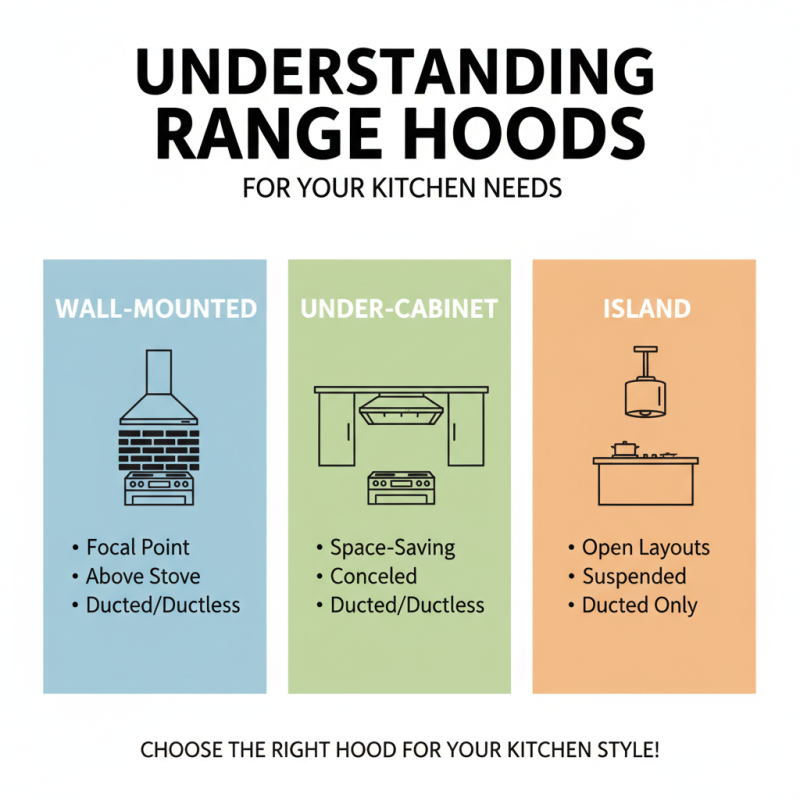
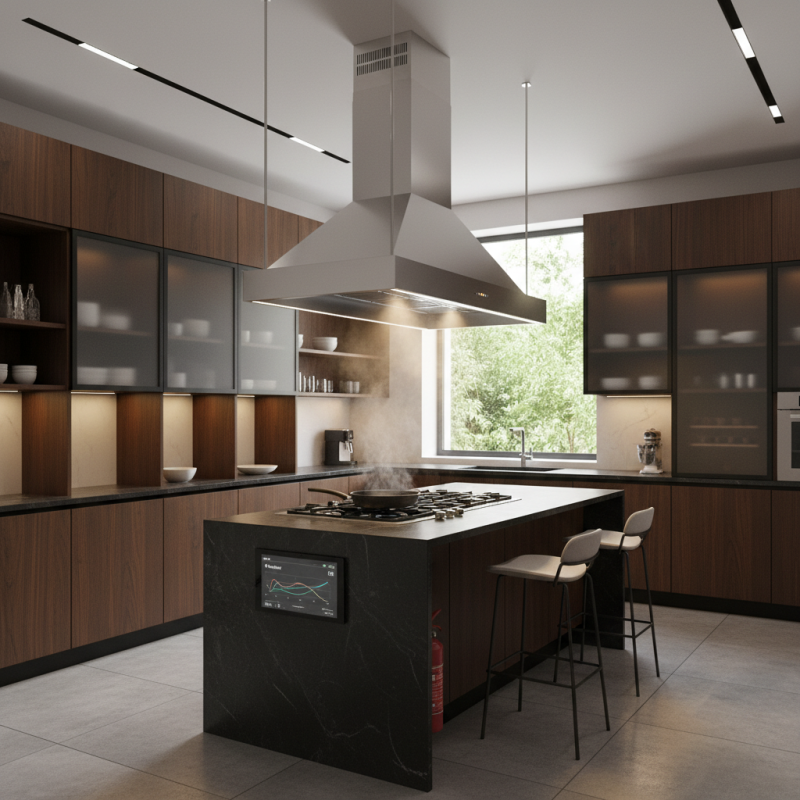
When selecting a range hood for your kitchen, understanding the different types available is essential. There are several styles, including wall-mounted, under-cabinet, and island hoods. Each has its unique features that cater to specific kitchen layouts. For instance, wall-mounted hoods are ideal for kitchens with a focal point above the stove, while island hoods work well in open layouts.
Tips: Consider the size of your kitchen when choosing a hood. A larger space may require a more powerful system to efficiently ventilate smoke and odors.
Ducted hoods efficiently vent air outside, helping eliminate fumes and heat. However, they may require extensive installation. Ductless options filter the air and recirculate it back, making them easier to install but less effective for heavy cooking. If you do a lot of frying or grilling, opt for a ducted system.
Tips: Noise level matters. Some models operate quietly, while others can be quite loud. Test the sound levels if possible. Reflect on how often you cook, as this impacts your choice of ventilation. Make sure the hood aligns with your cooking habits.
Key Performance Metrics: CFM Ratings and Noise Levels Explained
When selecting a hood fan for your kitchen, understanding CFM ratings and noise levels is crucial. CFM stands for cubic feet per minute and measures the airflow. A higher CFM indicates better air cleaning. For most kitchens, a range hood should have at least 300 to 400 CFM to handle smoke and odors effectively. However, cooking styles can vary. If you often fry or grill, you might need a unit that exceeds 600 CFM.
Noise levels can impact your cooking experience. A quiet range hood can make a big difference. Many consumers prefer models that operate below 60 decibels, comparable to normal conversation. However, units with higher CFM usually produce more noise. It’s essential to find a balance that suits your needs. Some manufacturers publish noise ratings, but real-world testing is also important. Reading user reviews can provide valuable insights into performance in everyday settings.
Choosing a hood fan involves trade-offs. You might desire high airflow but find it comes with increased noise. Evaluate your kitchen size and cooking habits. If you’re not sure which metrics matter most, consulting with a kitchen design professional could help. Their expertise can guide you towards making an informed choice that meets your comfort and performance criteria. Testing various models can provide hands-on experience, revealing what truly works for your kitchen space.
Top Hood Fan Performance Metrics
The chart above illustrates the typical performance metrics for kitchen hood fans. The CFM rating measures airflow capacity, while the noise level in decibels indicates how loud the fan operates. Opting for a hood fan with a higher CFM rating and lower noise level can greatly enhance your cooking experience.
Design Considerations: Choosing the Right Style for Your Kitchen
When selecting a hood fan for your kitchen, design considerations play a crucial role. You want a unit that not only functions well but also enhances the overall aesthetic. A report from the American Institute of Architects noted that 70% of homeowners prioritize kitchen design in renovation. This includes choosing a hood that complements cabinetry and appliances.
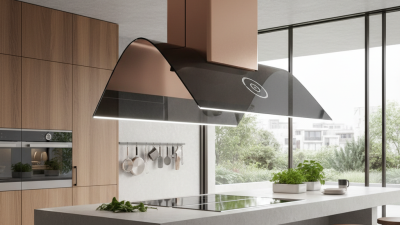
Consider the variety of styles available. For instance, wall-mounted hoods suit modern spaces, while under-cabinet hoods can work in smaller kitchens. According to a survey by Houzz, 56% of kitchen remodelers select hoods based on their visual impact. A custom range hood might elevate your design, but it carries a higher cost and longer lead time. This factor is worth considering in your project timeline.
Moreover, think about hood size and airflow. Industry guidelines recommend a range hood should match the stove width and offer adequate CFM (cubic feet per minute). However, balancing aesthetics and performance can be tricky. A stylish hood with insufficient airflow might not meet your cooking needs. It’s essential to reflect on these elements, ensuring that both form and function align in your kitchen.
Maintenance Tips for Keeping Your Range Hood Fan Functioning Well
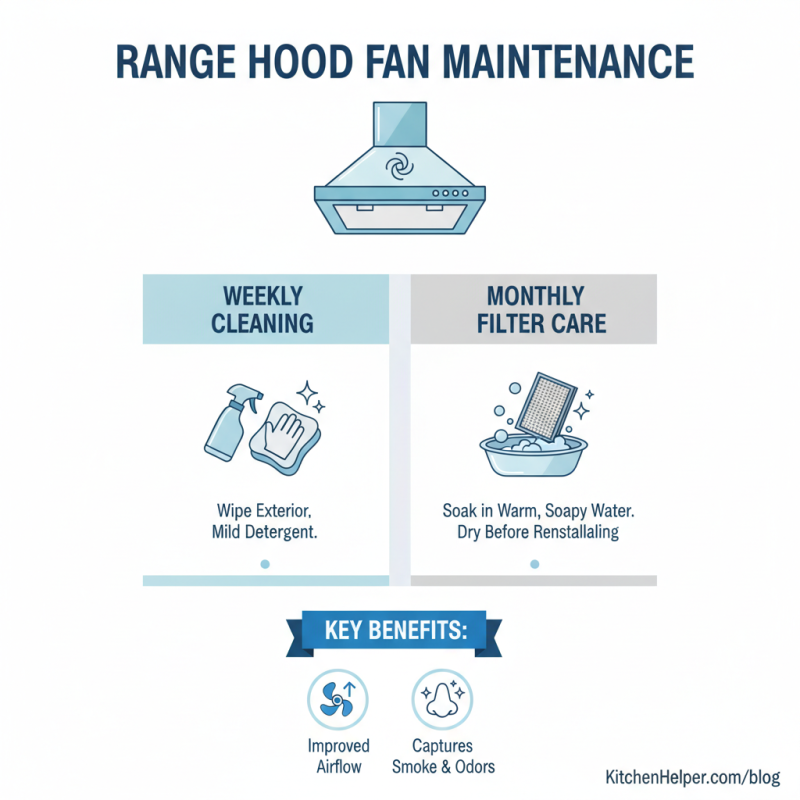
Maintaining a range hood fan is crucial for kitchen efficiency. Regular cleaning is essential. Grease buildup can diminish airflow. Wipe down the exterior weekly with a mild detergent. For the filters, soak them in warm, soapy water every month. Ensure they are dry before reinstallation. A clean filter helps capture smoke and odors effectively.
Check the fan motor periodically. Listen for unusual noises that might indicate wear or damage. If the fan isn’t running smoothly, consider lubrication. Dust accumulation inside the unit can also affect performance. Use a vacuum attachment to reach hard-to-access areas. Maintaining the ducts is key, too. Blocked ducts can lead to poor ventilation and could even present fire hazards.
Lastly, remember that replacing the bulb in your range hood is often overlooked. A burnt-out light can reduce visibility when cooking. Choose bulbs that enhance brightness but are energy efficient. Regular maintenance not only boosts performance but also extends the life of your range hood fan. Reflecting on these practices can lead to a more enjoyable cooking experience.