Top High Pressure Centrifugal Fans for Efficient Cooling Solutions?
High Pressure Centrifugal Fans play a crucial role in modern cooling systems. These fans are designed to handle high resistance, providing efficient airflow in various industrial applications. As energy efficiency becomes increasingly vital, selecting the right fan can significantly impact cooling performance.
Many industries rely on High Pressure Centrifugal Fans for consistent air circulation. They are often integrated into HVAC systems, equipment cooling, and industrial processes. The right fan minimizes energy loss while maximizing output. However, improper fan selection may lead to inefficiencies. It’s essential to consider factors like pressure requirements and operational conditions.
Choosing among the top high pressure centrifugal fans involves understanding specific needs. While performance is critical, factors like noise levels and maintenance ease are equally important. Additionally, manufacturers vary in quality, which can affect reliability. Reflecting on past choices can highlight areas for improvement. Therefore, a carefully informed decision can enhance not just cooling efficiency but overall system reliability.
Overview of High-Pressure Centrifugal Fans and Their Applications
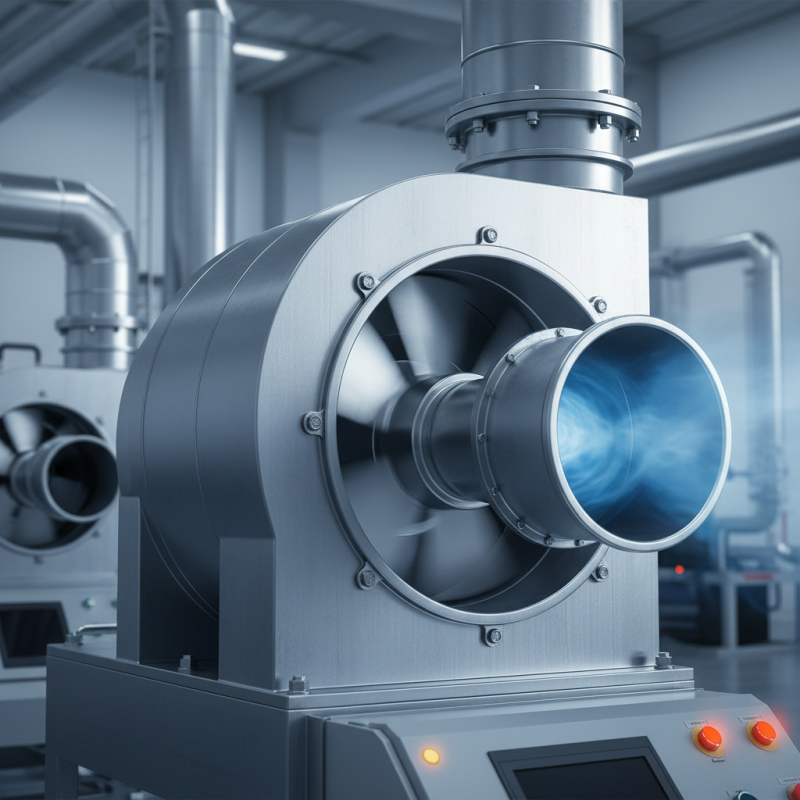
High-pressure centrifugal fans play a crucial role in various industries, providing efficient cooling solutions. These fans are designed to move air at high velocity, ensuring effective heat dissipation. They are commonly used in HVAC systems, manufacturing processes, and even in power plants. The application of these fans depends largely on the specific requirements of each environment.
When selecting a high-pressure centrifugal fan, consider the requirements of your system. It’s essential to evaluate airflow rates, static pressure, and the overall efficiency of the fans. These factors can significantly impact performance. To enhance efficiency, ensure regular maintenance is part of your plan. Dirty filters or blocked ducts can reduce functionality.
One often overlooked aspect is noise levels. High-pressure fans can generate significant sound. This is important in residential areas or noise-sensitive environments. Use acoustic insulation or select quieter models to mitigate sound issues. This simple adjustment can lead to improved comfort and performance.
Top High Pressure Centrifugal Fans for Efficient Cooling Solutions
This chart illustrates the airflow capacity in cubic feet per minute (CFM) of various high-pressure centrifugal fans, showcasing their efficiency for cooling solutions.
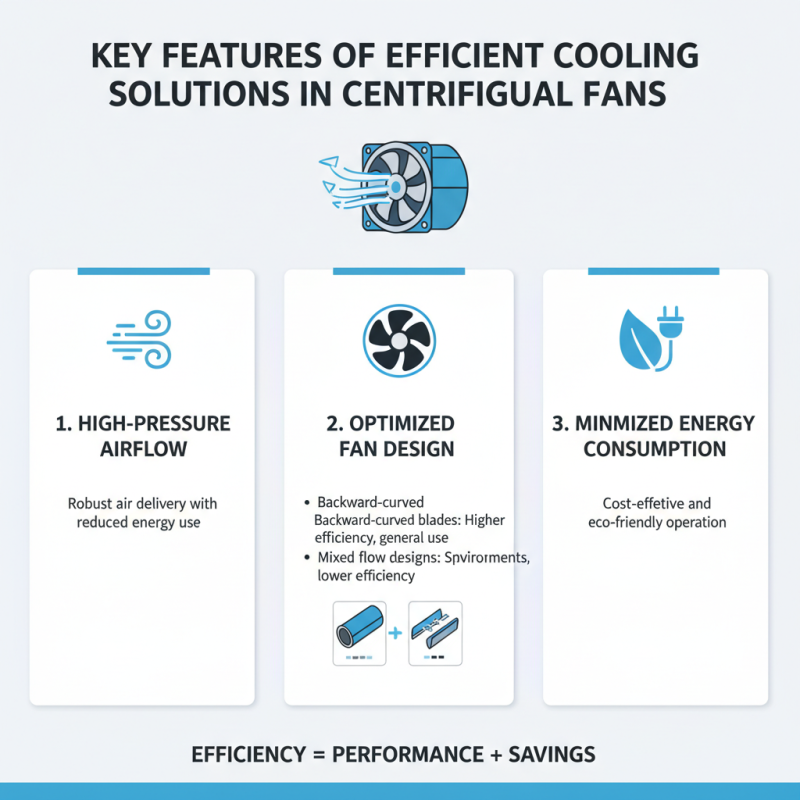
Key Features of Efficient Cooling Solutions in Centrifugal Fans
When choosing centrifugal fans for cooling solutions, efficiency is paramount. High pressure centrifugal fans are engineered to deliver robust airflow while minimizing energy consumption. One crucial feature is the fan design. A backward-curved blade design often yields higher efficiency, but it might not suit all applications. Some situations call for mixed flow designs, which can be less efficient but offer better performance in specific environments.
Another essential aspect is the motor. Efficient motors, such as those with variable frequency drives (VFDs), allow for precise speed control. This adaptability ensures optimal performance across various operating conditions. However, VFDs can introduce complexity and require careful monitoring. Fans also need to be robust and made from durable materials, resistant to corrosion and wear.
Noise levels are another critical factor. While some high-performance fans operate quietly, others can be quite loud. Balancing airflow and noise is often a challenge. Furthermore, maintenance practices are crucial for the longevity of fans. Regular checks can prevent operational issues, but these routines are often overlooked. Ensuring proper installation is just as vital; poor installation can lead to inefficiency and higher operational costs. Thoughtful consideration of these features can lead to effective cooling solutions tailored to specific needs.
Top Manufacturers of High-Pressure Centrifugal Fans in the Market
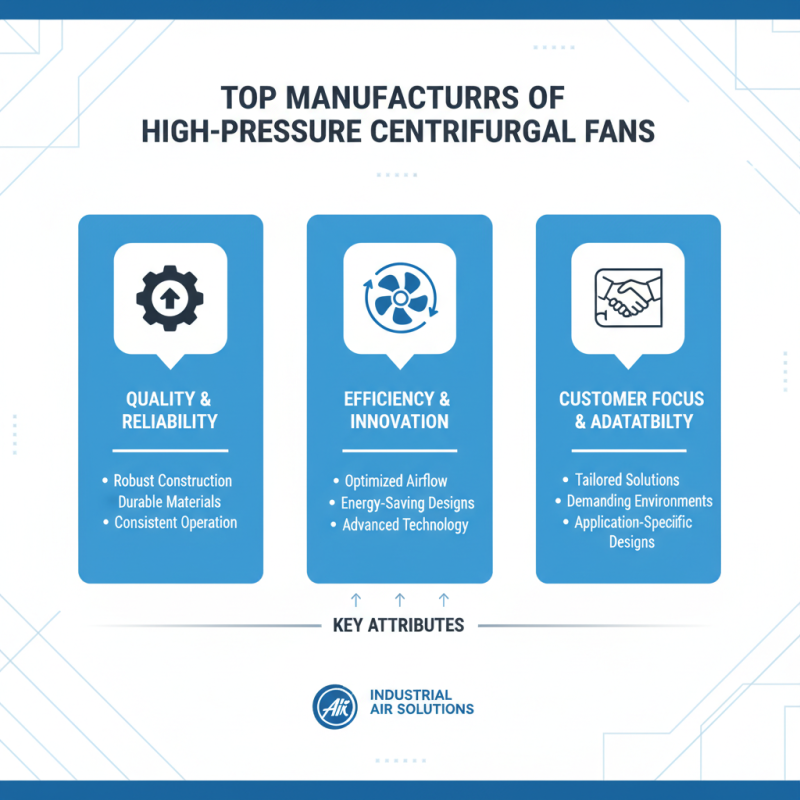
When it comes to high-pressure centrifugal fans, choosing the right manufacturer is crucial for ensuring reliable performance. The market is filled with a variety of options. Top manufacturers focus on quality, efficiency, and innovation. They prioritize meeting customer needs with tailored solutions. These manufacturers understand the importance of airflow dynamics. They provide fans that operate effectively in demanding environments.
In evaluating options, consider the materials and technology used. High-pressure fans should withstand corrosion and high temperatures. Additionally, efficiency ratings are significant. They directly affect operational costs. Support and warranty options offered by manufacturers are also worth noting. If a product fails, having adequate support can reduce downtime.
Researching customer reviews can provide insights into performance and longevity. Look for feedback on efficiency and service responsiveness. Some products may fall short of expectations. Documenting these shortcomings can guide future purchases. A thorough understanding of available manufacturers is essential for making informed decisions.
Factors to Consider When Choosing a High-Pressure Centrifugal Fan
When selecting a high-pressure centrifugal fan, consider several essential factors. The fan's performance curve is critical, as it defines its efficiency and capability. A fan must deliver the right flow rate at the required static pressure. Insufficient pressure can lead to overheating or system inefficiencies. Examine the fan's operational range carefully.
Another important aspect is the material used in construction. High-pressure applications expose fans to significant stress. Choosing robust materials like stainless steel can enhance longevity. Noise levels are also a concern; quieter fans can improve working conditions. Regular maintenance schedules must align with the fan's design and operating environment.
Finally, it's crucial to account for energy efficiency. Fans consume considerable energy, impacting operational costs. Understanding the fan's energy ratings helps to predict these costs. Evaluate installation requirements too; space constraints might limit options. Balancing these factors can be challenging, as efficiency often clashes with cost.
Maintenance Tips for Optimal Performance of Centrifugal Fans
Centrifugal fans are crucial in various cooling applications. They are relied upon in industrial settings for their efficiency and reliability. To maintain optimal performance, regular maintenance is key. A study from the American Society of Mechanical Engineers (ASME) shows that proper upkeep can enhance performance by up to 20%. Yet, many users overlook simple tasks.
Checking the fan's alignment is vital. Misalignment can lead to increased energy consumption. In a recent report, misaligned centrifugal fans were found to waste 15% more energy than properly aligned units. Regularly inspecting belts and pulleys can prevent costly downtime. Keeping the fan blades clean is essential for smooth airflow. Dirt buildup can decrease efficiency by over 10%.
Vibration analysis is another effective maintenance strategy. Frequent checks can detect early signs of wear. Equipment that vibrates excessively may need recalibration or replacement. This proactive approach not only ensures consistent performance but can also extend the fan's lifespan. It’s also worth noting that a survey indicated that only 30% of users perform routine checks. This poses a significant risk in ensuring operational efficiency.
Top High Pressure Centrifugal Fans for Efficient Cooling Solutions - Maintenance Tips for Optimal Performance of Centrifugal Fans
| Model |
Airflow (CFM) |
Static Pressure (inches H2O) |
Motor Power (HP) |
Maintenance Tips |
| Model A |
1200 |
4.5 |
3 |
Regular cleaning of blades and check for wear and tear |
| Model B |
1500 |
5.0 |
5 |
Lubricate bearings every 6 months and inspect motor alignment |
| Model C |
1800 |
6.0 |
7.5 |
Check belts for tension and replace if necessary |
| Model D |
2000 |
7.0 |
10 |
Inspect electrical connections and clean air intake regularly |