How to Choose the Best Kitchen Fume Hood for Your Home?
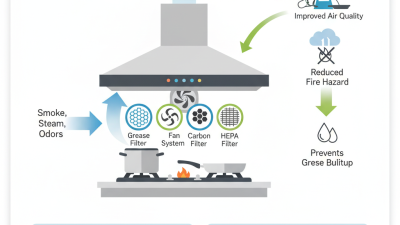
Choosing the right Kitchen Fume Hood is essential for any home chef. It plays a vital role in maintaining air quality and enhancing comfort while cooking. A good kitchen fume hood eliminates smoke, odors, and grease from the air, creating a healthier environment. However, selecting the best one can be challenging.
There are various factors to consider. The size of your kitchen, cooking style, and types of appliances all influence your choice. Many homeowners overlook the power and efficiency ratings. A powerful Kitchen Fume Hood is crucial for optimal performance. Inefficiency can lead to poor air quality and lingering smells.
Think about style and noise levels, too. Some hoods can be incredibly loud, disrupting the cooking experience. Not all hoods fit every kitchen design. Research and compare different models before making a decision. It’s an investment in your home’s health and ambiance. Making the right choice can transform your cooking experience.
Factors to Consider When Selecting a Kitchen Fume Hood
Choosing the right kitchen fume hood can significantly improve your cooking experience. The first aspect to consider is the size. It should match the dimensions of your kitchen and the range below it. A hood that is too small won’t capture smoke or odors effectively. Conversely, an oversized model may dominate the space and disrupt your kitchen's flow.
Another critical factor is the type of venting. Ducted hoods exhaust air outside. They are often quieter and more efficient. However, ductless models recirculate air and are easier to install. Both options have pros and cons. Assess your kitchen layout and your cooking habits to determine what suits you best.
Noise levels of the fume hood also matter. Some units operate with a noticeable hum, while others are almost silent. Research user reviews to gauge real experiences. This can help you avoid a choice that might lead to frustration during family meals. Lastly, consider the overall design. It should complement your kitchen aesthetic. Finding the right balance may take time. Be patient and do not rush your decision.
Types of Kitchen Fume Hoods and Their Applications
When selecting a kitchen fume hood, understanding the different types available is critical. Ventilation hoods fall into three main categories: ducted, ductless, and convertible.
Ducted hoods pull air from your kitchen and expel it outside. This option is often preferred for its effectiveness. According to a study by the Home Ventilating Institute, ducted hoods can remove up to 80% of cooking pollutants.
Ductless hoods, on the other hand, recycle air back into the kitchen after filtering it. They are easier to install but less effective. The Environmental Protection Agency suggests that these hoods are suitable for light cooking. For those seeking flexibility, convertible hoods offer the option to switch between ducted and ductless modes. However, their performance can depend on installation conditions and user preference.
The application of each type varies based on kitchen size and cooking frequency. Professional-grade cooking often demands a higher airflow rate. The American Society of Heating, Refrigerating and Air-Conditioning Engineers recommends a minimum of 100 CFM (cubic feet per minute) for each linear foot of cooking surface. Smaller kitchens with less intense cooking needs might not require high-performance models, but still, a good hood can enhance air quality significantly. Choosing the right hood requires careful consideration of your specific cooking habits and kitchen layout.
Key Features to Look for in a Kitchen Fume Hood
When selecting a kitchen fume hood, several key features can enhance its effectiveness.
The ventilation type is crucial. A range hood can be ducted or ductless.
Ducted hoods expel air outside, while ductless options filter air and recirculate it.
According to the U.S. Department of Energy, ducted systems are generally preferred for their superior air quality control.
Another essential feature is the suction power or CFM (Cubic Feet per Minute).
A hood with a higher CFM effectively removes smoke and odors.
The Home Ventilating Institute recommends 100 CFM for every linear foot of range.
This ensures that your kitchen remains a safe and enjoyable cooking environment.
Noise levels should also be considered. Many users overlook this aspect.
A quieter hood can significantly improve your cooking experience.
Standard hoods operate between 40 to 65 decibels, similar to normal conversations.
Select a model with a noise rating that won't disrupt your daily activities.
Lastly, ease of maintenance matters.
Some hoods come with dishwasher-safe filters, simplifying the cleaning process.
A reliable, user-friendly design can make a difference in long-term satisfaction and performance.
How to Calculate the Correct Size for Your Kitchen Fume Hood
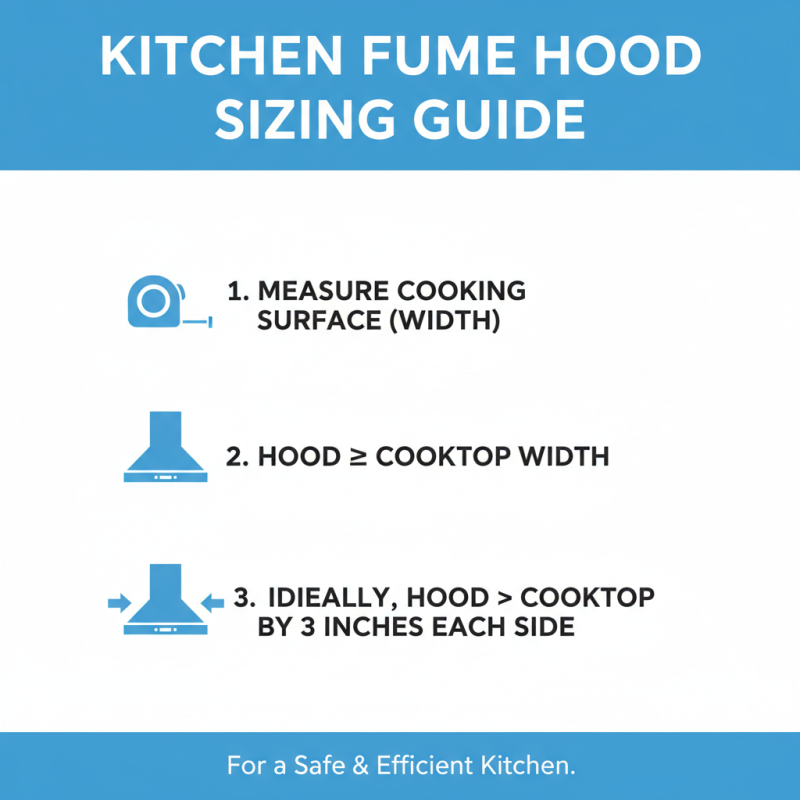
Choosing the correct size for your kitchen fume hood is crucial for maintaining a safe and efficient cooking environment. To start, measure the size of your cooking surface. A good rule of thumb is that the hood should be at least as wide as the range or cooktop. Ideally, you want it to extend a few inches beyond the edges. This ensures effective capture of smoke and odors.
When calculating the height, consider the type of cooking you do. Wall-mounted hoods usually sit between 24 to 30 inches above the cooktop. For gas ranges, the height may need to be a bit higher. However, ensure it’s not too high, as this can reduce its efficiency.
Tips: Always account for your kitchen’s layout. An L-shaped or U-shaped kitchen may require a larger hood to cover multiple cooking areas. Also, think about ventilation strength; a higher CFM (Cubic Feet per Minute) rating means better performance. Sometimes, buyers overlook these details. Getting the measurements wrong can lead to a less effective setup, forcing you to reevaluate your choices later.