How to Choose the Right Exhaust Fan In Bathroom for Optimal Ventilation?
Choosing the right exhaust fan in bathroom is crucial for effective air circulation. An appropriately selected fan ensures moisture is quickly removed, preventing mold growth. When selecting an exhaust fan, consider the size of your bathroom. A small bathroom might not need as powerful a fan as a larger one. This often gets overlooked.
The noise level of the fan is also important. A loud fan can disrupt the peace of your home. Seek models that rate lower on the sones scale. Energy efficiency is another factor to reflect on. Higher efficiency can lead to lower utility bills, allowing for longer-term savings.
Yet, despite these considerations, many homeowners choose fans based on price alone, leading to regrets later. Take time to research options that fit your specific needs. Evaluating airflow capacities and installation requirements could save you from future frustrations. Choosing the right exhaust fan in bathroom may seem daunting, but the benefits of proper ventilation are clear.
Understanding the Importance of Bathroom Ventilation for Air Quality
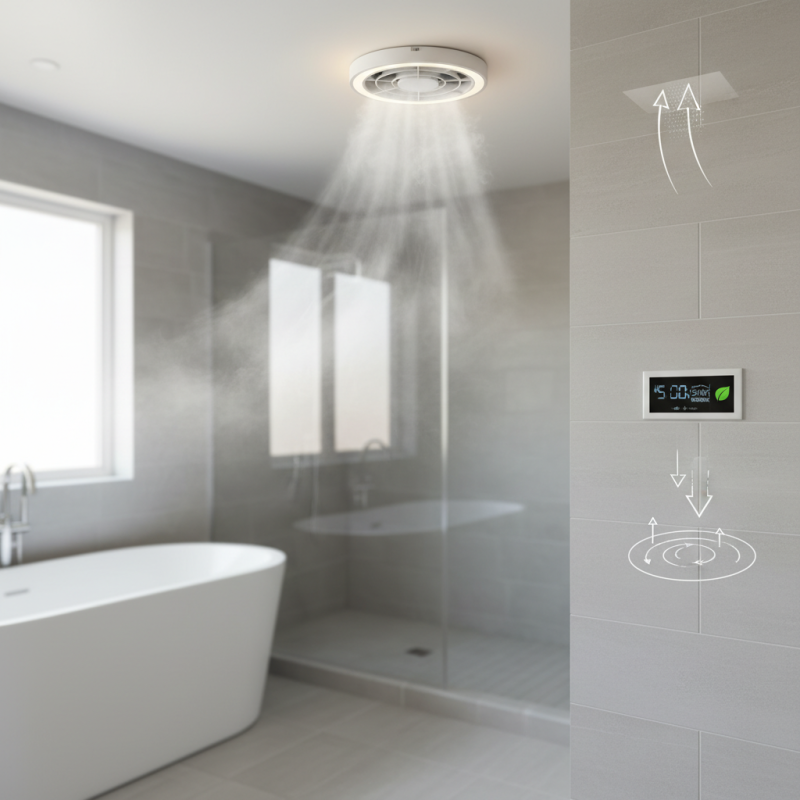
Bathroom ventilation is crucial for maintaining good air quality. A damp environment can lead to mold growth and unpleasant odors. Proper ventilation removes moisture and keeps the air fresh. It also helps in reducing allergens. Without it, common issues can arise, impacting health.
Choosing the right exhaust fan is vital. Look for a fan that matches your bathroom size. Consider the noise level as well; some models are louder than others. You might want a quieter option for a peaceful experience. The fan’s capacity is measured in CFM (cubic feet per minute). Aim for a fan that offers at least 1 CFM per square foot of bathroom area.
For optimal performance, install the fan close to the shower or tub. This ensures effective moisture removal. However, some people struggle with placement. The fan shouldn’t be too high or too low. Take your time to find the best spot. Even a well-chosen fan won't work well if placed incorrectly. Make ventilation a priority; your air quality depends on it.
How to Choose the Right Exhaust Fan In Bathroom for Optimal Ventilation? - Understanding the Importance of Bathroom Ventilation for Air Quality
| Criteria |
Description |
Recommended Specifications |
| Airflow Rate |
Measured in CFM (cubic feet per minute), it determines how much air the fan can move. |
Make sure airflow is calculated based on bathroom size; typically 1 CFM per square foot. |
| Noise Level |
Measured in sones, the noise level affects comfort during use. |
Aim for less than 2.0 sones for quieter operation. |
| Energy Efficiency |
Higher efficiency means lower energy costs and environmental impact. |
Look for ENERGY STAR ratings for optimal efficiency. |
| Installation Type |
Various types include ceiling-mounted or wall-mounted fans. |
Choose based on bathroom setup; ceiling models suit most layouts. |
| Ducting Options |
Effective ducting is crucial for exhaust fans to function well. |
Short and straight ducts are preferred for maximum efficiency. |
| Features |
Options may include humidity sensors, variable speed settings, or lights. |
Consider added features based on personal convenience and preferences. |
Factors to Consider When Choosing an Exhaust Fan for Your Bathroom
Choosing the right exhaust fan for your bathroom is crucial for effective ventilation. When selecting an exhaust fan, consider the room size. Measure the bathroom’s square footage and choose a fan with adequate airflow, measured in CFM (cubic feet per minute). A higher CFM rating often means better ventilation but consider noise levels too.
Another important factor is the fan's energy efficiency. A fan that consumes less energy can save on electricity bills. Look for models that offer high energy efficiency ratings. Sometimes, people choose based on looks, ignoring how well it performs. It’s essential to balance aesthetics with functionality.
Tips:
- Consider installing a timer switch. This ensures the fan runs long enough to clear humidity.
- Always check for easy installation features. Complicated setups can lead to mistakes.
- Think about additional features, like built-in lights. This can enhance the bathroom’s ambiance.
Reflect on your choices. A well-selected exhaust fan can significantly reduce moisture and improve air quality. Avoid settling for a model that lacks essential features or has poor reviews. Keep your bathroom fresh and comfortable with the
right ventilation.
Types of Exhaust Fans: Which Is Best for Your Bathroom Size and Needs?
When choosing an exhaust fan for your bathroom, consider the size and needs of the space. There are two main types: ceiling-mounted and wall-mounted. Ceiling-mounted fans are popular for larger bathrooms. They effectively pull moisture from the air. Wall-mounted fans work well in smaller areas but may require additional considerations, like vent placement.
Tip: Measure your bathroom first. Calculate the fan's CFM rating you'll need. A standard rule is to allow one CFM for each square foot of space. If you have a shower or bathtub, that increases the requirement.
Noise level is another essential factor. Some fans can be quite loud, disrupting your peaceful moments. Look for fans that specify their sone rating. A higher sone means more noise. Sometimes, the quietest fans can be more expensive. Weigh this against your budget.
Tip: Think about aesthetics too. A sleek design may enhance your bathroom. It should blend well, not stand out awkwardly. Choosing the right color or finish can make a difference.
Lastly, consider energy efficiency. Some fans use high energy. Look for options that consume less power, even if initial costs are higher. This choice pays off in the long run with lower utility bills.
Key Features to Look for in a Bathroom Exhaust Fan for Maximum Efficiency
Choosing the right exhaust fan for your bathroom can significantly improve air quality. Key features are crucial for maximum efficiency. Start by considering the fan's CFM rating (cubic feet per minute). A fan with higher CFM can remove moisture quickly. It is important to match it to the size of your bathroom. If the fan is too weak, it won't effectively eliminate humidity.
Noise levels matter too. A powerful fan may create overwhelming noise. Look for models with a low sone rating. This indicates quieter performance, allowing for a more peaceful environment. Additionally, check for features like humidity sensors. These can automatically adjust the fan's operation based on moisture levels, providing convenience but requiring occasional checks for proper function.
Energy efficiency is another vital aspect. Opt for fans with Energy Star ratings to save on electricity bills. However, buying a more expensive fan may not always guarantee better performance. It's worth researching different models. Lastly, installation location matters. Positioning it correctly enhances airflow. Over time, maintaining the fan is necessary to ensure its effectiveness. Remember, even the best fan needs care.
Installation Tips and Best Practices for Your New Bathroom Exhaust Fan
When installing a bathroom exhaust fan, location is crucial. Ideally, position the fan close to the shower or bathtub. This placement helps remove moisture more effectively. Remember, the fan should exhaust air outside the home, not into the attic. Proper venting will prevent mold growth and protect your home’s structure.
Next, consider the electrical wiring. If you're not familiar with wiring, consult a professional. Safety is important. Ensure the fan you purchase meets local electrical codes. When connecting, use the appropriate gauge wire. A loose connection could lead to overheating.
After installation, test the fan. It should operate quietly while moving air efficiently. Check for any vibration; this can be an installation issue. Reflect on your choice of fan size. A unit too small won't ventilate effectively, while one too large may lead to excessive noise. Take time to evaluate these factors for optimal bathroom ventilation.