How to Choose the Best Kitchen Stove Hood for Your Home in 2026
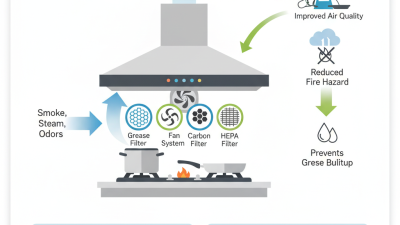
Choosing the right Kitchen Stove Hood is essential for any home chef. A good hood enhances cooking experiences. It removes smoke, odors, and grease from your kitchen. In 2026, many options are available. You must evaluate each carefully.
The design of a Kitchen Stove Hood can impact your kitchen’s aesthetic. Styles range from modern to traditional. This variety makes it challenging. Some hoods are powerful but not visually appealing. Others look great but may lack in efficiency.
Consider your cooking habits. If you fry often, a stronger model may be necessary. Review features like noise levels and lighting. Each detail matters. You might find that a more expensive option doesn't always meet your needs. Evaluate your options thoughtfully to find the best fit for your home.
Understanding the Different Types of Kitchen Stove Hoods Available
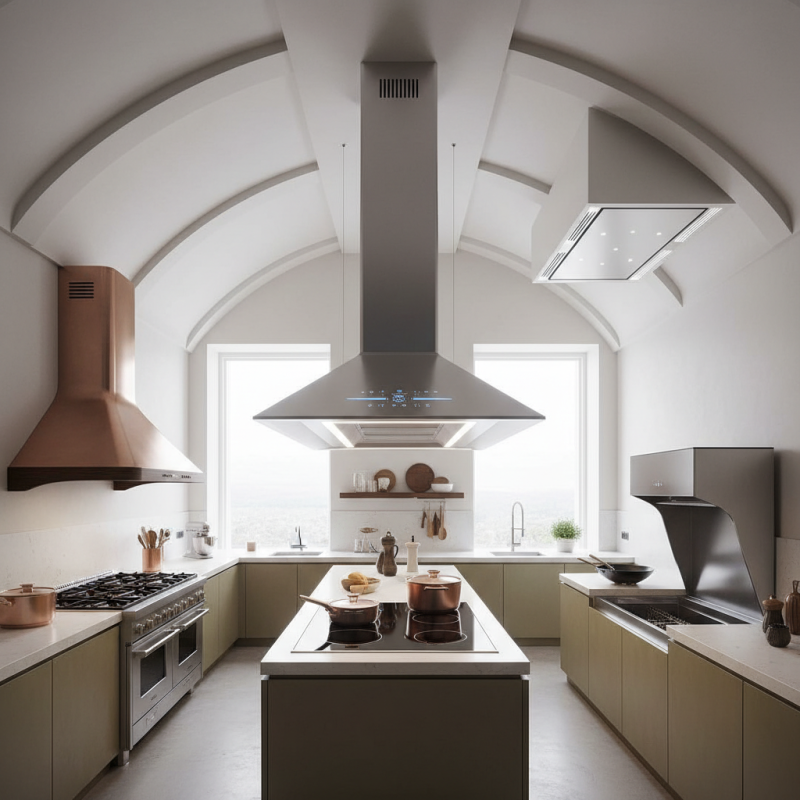
Choosing the right kitchen stove hood involves understanding the various types available. Range hoods are essential for removing smoke and odors. There are several styles to consider, including wall-mounted, under-cabinet, and island hoods. Each type has its unique installation requirements and aesthetic appeal.
Wall-mounted hoods zip up in style above your range and can be a focal point. They come in various designs that complement kitchen themes. Under-cabinet hoods tuck neatly beneath cabinets. They work well in smaller kitchens or for a more streamlined look. Island hoods hang from the ceiling, making a bold statement in open layouts.
Each type harbors pros and cons. Wall-mounted may be a pain to install, especially if your kitchen layout is complex. Under-cabinet models offer efficiency but might not provide enough coverage for powerful cooktops. Island hoods need strong ceiling support and can be an eyesore if not chosen well. Reflect on your cooking habits and space limitations before deciding. Choosing the right hood is more than just function; it’s about finding balance in style and practicality.
Understanding the Different Types of Kitchen Stove Hoods Available in 2026
Key Features to Consider When Choosing a Kitchen Stove Hood
Choosing the right kitchen stove hood can transform your cooking experience. Several key features deserve your attention.
First, consider the hood's airflow capacity. Industry standards suggest a minimum of
300 CFM for typical use. For serious home chefs, this figure may need to increase.
Tip: A higher CFM means better ventilation. However, balance this with noise levels. Many models can be quite loud, with some exceeding 70 decibels.
Look for options that offer a quieter operation without sacrificing performance.
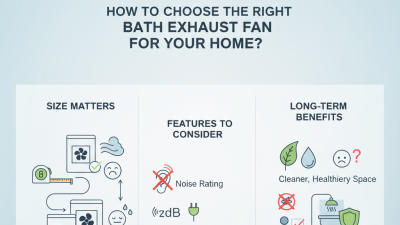
Next, examine the type of filters. Baffle filters are often recommended for their durability and efficiency.
According to various studies, they significantly improve grease capture and require less maintenance. However, mesh filters may be easier to clean and replace.
Tip: Regular cleaning of filters can enhance the hood's performance. Some homeowners neglect this, leading to decreased efficiency.
A well-maintained filter can last years longer and keep your kitchen air cleaner.
In essence, finding the best hood involves evaluating airflow, sound levels, and filter types. Personal preferences matter.
Would you prioritize power over a quieter operation? It's crucial to reflect on your cooking habits before making a decision.
Assessing Kitchen Size and Layout for Optimal Hood Placement
When considering the best kitchen stove hood, assessing your kitchen's size and layout is crucial. A well-placed hood enhances airflow and minimizes smoke and odors. According to a report from the Home Ventilating Institute, proper ventilation can reduce indoor air pollutants by up to 40%. This highlights the importance of strategic hood positioning.
In smaller kitchens, wall-mounted hoods may be more effective. They utilize vertical space without obstructing movement. In larger kitchens, island hoods provide a central cooking focal point. However, improper placement can be counterproductive. If the hood is too high, it may not capture smoke efficiently. The positioning should balance functionality and aesthetics.
Measurement is key. For optimal performance, allow a minimum of 24 inches above the cooktop. This ensures that the hood captures rising heat and grease. However, many homeowners struggle with this. They underestimate the space and end up with inefficient setups. Understanding your kitchen layout can prevent these costly mistakes. Getting it right improves comfort and cooking experiences significantly.
Evaluating Noise Levels and Fan Speeds for Kitchen Comfort
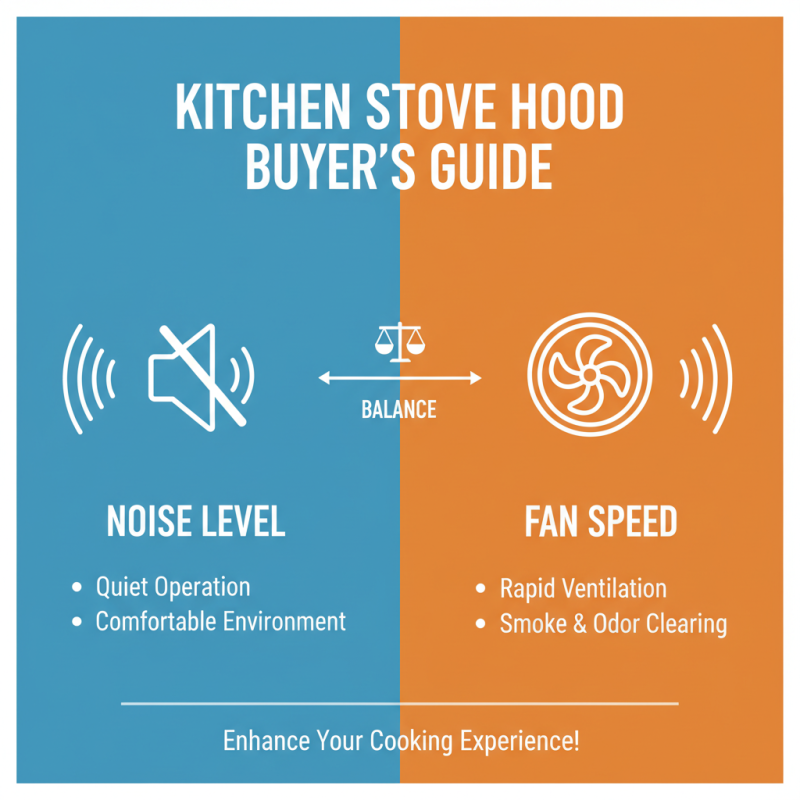
Choosing a kitchen stove hood involves more than just aesthetics. Noise levels and fan speeds significantly impact your cooking experience. High fan speeds can clear smoke and odors quickly. However, they often come with increased noise. A loud fan can disrupt conversation and create an uncomfortable environment.
Consider the decibel level of the hood. Most people prefer a noise level below 50 dB for comfortable cooking. Some units may boast lower noise levels, but do they effectively remove steam and smoke? A balance between effectiveness and noise is essential. Test out different hoods if possible.
You may also want to think about features like variable fan speeds. A hood that offers multiple speeds allows for tailored airflow, enabling quieter operation during light cooking. Reflect on your cooking habits. Do you often fry or grill? If so, investing in a powerful, quieter model might be worth it. Take time to evaluate your needs before making a decision.
Budgeting: Finding the Right Kitchen Stove Hood for Your Needs
When budgeting for a kitchen stove hood, consider both functionality and aesthetics. A quality hood can significantly improve air quality. According to industry reports, over 80% of homeowners prioritize ventilation efficiency. Models with higher CFM (cubic feet per minute) ratings generally perform better. For an average kitchen, a range hood with 300 to 600 CFM is often sufficient. However, costs can vary greatly.
The price for hoods typically ranges from $100 to $2,500. Features like built-in lighting and automatic sensors add to the cost. Some basic models lack adequate filtration, leading to lingering odors and grease buildup. A well-thought-out budget should include not only the initial purchase but also installation. Estimates suggest that installation can add 20-30% to the overall cost.
Another common mistake is neglecting noise levels. Some hoods operate quietly, while others produce unwanted noise. According to surveys, 65% of users cite noise as a deal-breaker. Opt for models rated below 60 decibels for a more pleasant cooking experience. Finally, prioritize your cooking habits. A hood designed for high-heat cooking will differ from one needed for occasional use. Finding the right balance between cost and efficiency requires careful thought.